Coos Bay, Oregon Fishing Guide: What's Running in October 2026 & Where to Fish
Fall Chinook, coho salmon, sea-run cutthroat, rockfish, surfperch, and trout — October offers some incredible fishing opportunities around Coos Bay.
October is one of my favorite months to fish on the southern Oregon Coast. The summer crowds have left, the mornings are getting colder, and the first fall storms are starting to change the rivers. More importantly, some of the biggest salmon of the year are making their way into Coos Bay.
The Coos Bay fishery changes with every tide, and the rivers can change after a single storm. Knowing when to fish the bay, when to move upstream, and what species are available can make all the difference.
What's Running in Coos Bay During October?
Fall Chinook Salmon
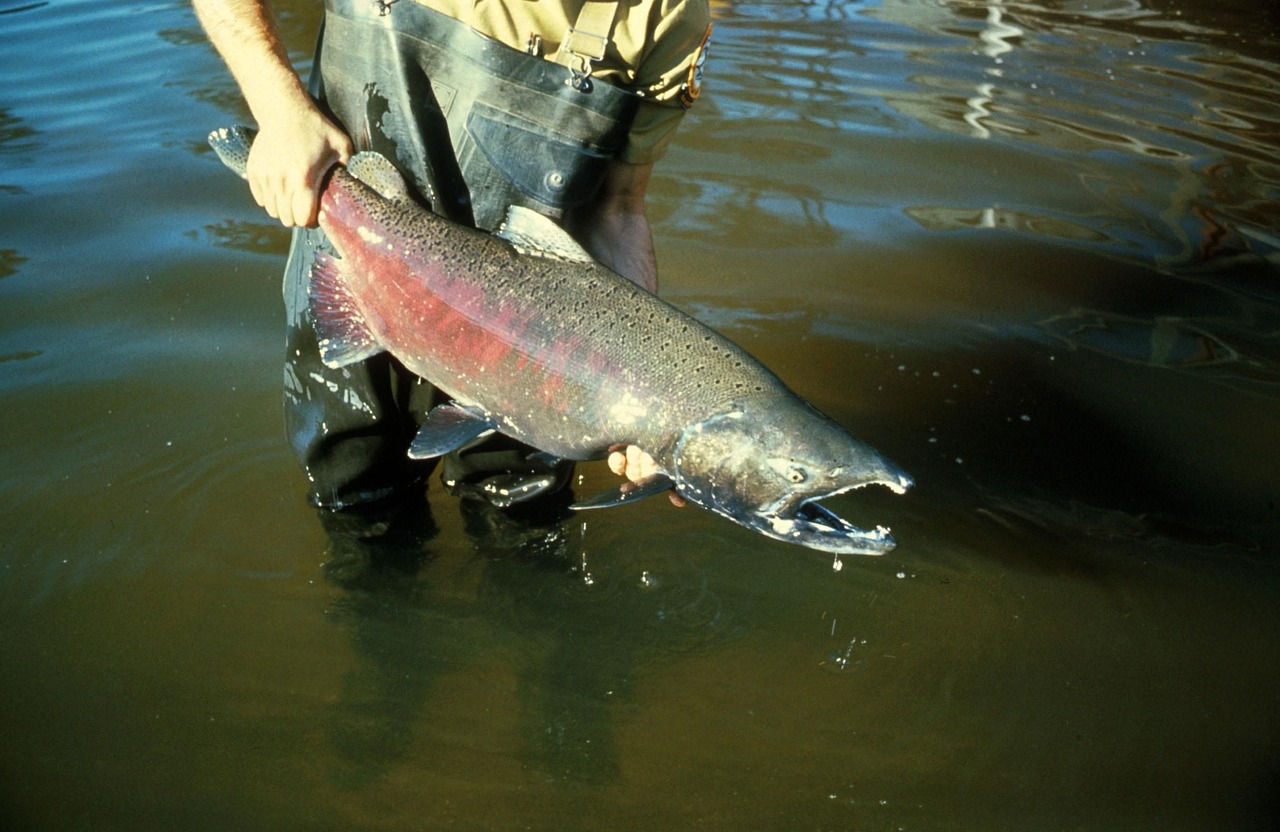
If there's one fish I'm targeting in October, it's fall Chinook.
These salmon enter Coos Bay from the Pacific Ocean and travel through the estuary toward the Coos River, Millicoma River, and South Fork Coos River.
Fresh Chinook are powerful fish, and hooking one in tidal water can turn into a serious battle.
Best places to target October Chinook:
- Coos Bay Boardwalk
- Empire waterfront and fishing pier
- Main Coos Bay shipping channels
- Lower Coos River
- Mainstem Millicoma River
- Lower South Fork Coos River
According to ODFW's October 8, 2026 fishing report, Chinook have entered Coos Bay, although fishing has been slow to fair depending on the day. The agency identifies the period leading up to high slack tide as particularly productive.
That's where I'd start.
Coho Salmon
Coho salmon are another reason October is such an exciting time to fish Coos Bay.
These fish are generally smaller than Chinook but are aggressive fighters known for powerful runs and acrobatic jumps.
During early October, coho can be moving through the bay and into the river system.
They often respond well to spinners, spoons, and properly presented bait.
Best water: Coos Bay, the upper estuary, and open portions of the Coos River system.
For 2026, the limited wild coho retention season runs from September 19 through October 18.
That means the first half of October offers an opportunity to target both fall Chinook and coho, provided you're fishing waters open under the current regulations.
Sea-Run Cutthroat Trout
Sea-run cutthroat are one of the most underrated fish on the Oregon Coast.
These trout spend part of their lives in saltwater or estuaries before returning to freshwater.
By October, they can be found in coastal rivers and streams, particularly around deeper pools, woody structure, and slower current.
I like using smaller spinners, spoons, and flies when targeting cutthroat.
The Millicoma River drainage and other accessible coastal streams around Coos Bay can provide opportunities.
The general Southwest Zone trout season in rivers and streams runs from May 22 through October 31, with a two-fish daily limit and no bait permitted above tidewater. Additional restrictions and wild-fish release requirements may apply.
Rockfish and Lingcod
If the salmon aren't cooperating, I'd seriously consider heading toward Charleston and the Coos Bay jetties.
Rockfish can be caught around rocky structures near the bay entrance.
October can provide good opportunities when ocean conditions are calm enough to fish safely.
Black rockfish and other permitted bottomfish species are possibilities, while lingcod may also be encountered around suitable rocky habitat.
I prefer fishing soft-plastic swimbaits, lead-head jigs, or other bottomfish lures near submerged rocks.
The trick is keeping the lure close enough to the structure to attract fish without constantly getting snagged.
Surfperch
Surfperch are another great October option, especially when the rivers are blown out.
Redtail surfperch can be caught along sandy beaches around Coos Bay.
Horsfall Beach and Whiskey Run are two locations specifically identified by ODFW as productive surfperch areas.
I like fishing sand shrimp on a weighted surf rig and looking for troughs between sandbars.
When the waves break over a sandbar and leave a deeper channel closer to shore, that's where I'll concentrate my casts.
Surfperch often feed surprisingly close to the beach.
The Best Fishing Locations Around Coos Bay
1. Coos Bay Boardwalk — Best Bank Fishing for Fall Salmon
Location: Downtown Coos Bay, near Anderson Street and Central Avenue.
If I were visiting Coos Bay without a boat, this would be one of my first stops.
The boardwalk offers relatively easy access to tidal water, and ODFW specifically identifies it as a fall Chinook and coho fishing location.
One interesting feature is Blossom Gulch, a small waterway that enters the bay near the boardwalk.
Returning Chinook can congregate near the tidegate where the gulch enters the estuary.
How I'd fish it:
I'd arrive roughly two hours before high tide and start watching the water.
Look for rolling salmon, changes in current speed, and deeper traveling lanes.
Large salmon spinners can be effective, along with properly rigged salmon roe or sand shrimp suspended beneath a large float where bait fishing is permitted.
A long-handled landing net is extremely helpful because of the elevated fishing platform.
This is one of the more convenient places to target salmon without launching a boat.
2. Empire Boat Ramp and Fishing Pier — Salmon, Surfperch, and Crabbing
Location: West end of Newmark Avenue, Empire District, Coos Bay.
The Empire waterfront is another location worth exploring.
The public pier and boat ramp provide access to the estuary, and ODFW lists salmon, surfperch, and crabbing opportunities here.
For salmon, I'd concentrate on the deeper water and tidal movement around the fishing area.
An incoming tide would be my first choice.
I would also watch for fish rolling along the channel.
For surfperch, lighter tackle and bait presentations can be useful.
This is a good place to spend several hours experimenting with different techniques without having to travel far.
3. Main Coos Bay Estuary — Best for Boat Anglers
The main bay offers some of the most interesting October salmon water.
Large channels, tidal flats, and current changes create natural migration routes.
For boat anglers, trolling herring or suitable salmon lures along channel edges is a common approach.
I'd concentrate on areas where the bottom transitions from shallow flats into deeper water.
These edges can create predictable travel corridors.
Pay attention to the tide.
As incoming water moves through the bay, salmon may travel along the deeper channels.
I'd start fishing before high slack and adjust trolling speed to maintain a natural bait presentation.
Remember that Coos Bay is a working harbor with commercial shipping traffic. Stay clear of navigation channels when large vessels are approaching.
4. Coos River — Best After the First Fall Rains
The Coos River becomes increasingly interesting as fall rainfall increases.
When the river is low and clear, salmon may remain in tidal water.
After a meaningful rise in river flow, fish can begin moving farther upstream.
That's when I'd start exploring the mainstem Coos River.
Look for deeper runs, slower water along current seams, and holding areas below shallow stretches.
Spinners are one of my favorite ways to cover this type of water.
I prefer a slow presentation that allows the lure to swing naturally through the current.
Public bank access is limited in some sections, so verify access before fishing.
5. Millicoma River — A River to Watch as Conditions Change
The Millicoma River is an important part of the Coos River drainage.
During October, salmon movement depends heavily on rainfall and river levels.
If the river is low, clear, and barely moving, I'd generally concentrate farther downstream.
After a good rain, however, things can change.
Salmon may begin moving through deeper runs and resting areas.
I'm looking for that classic coastal green water.
Not muddy.
Not crystal clear.
Just enough color to give salmon some cover while still allowing them to see a lure.
The mainstem Millicoma is included in the designated 2026 Coos Basin salmon management area, but anglers must verify open reaches and regulations before fishing.
6. South Fork Coos River — Fishing the Holding Water
The South Fork Coos River is another important salmon migration route.
This is where understanding river structure becomes especially valuable.
I look for deeper pools, current breaks, inside bends, and slower water immediately downstream of riffles.
When salmon are traveling upstream, they often use these areas to rest.
Rather than repeatedly casting into one hole, I'd work through different sections of suitable water.
A spinner allowed to swing slowly across a current seam can be effective.
For 2026, the special Coos Basin salmon management area includes the South Fork Coos River from its mouth to the head of tide at Dellwood. That does not mean every upstream reach is open for salmon fishing.
Always check the exact boundaries.
How to Read the Water in October
This is probably the most important part of the entire guide.
October fishing conditions can change quickly, and understanding the water helps determine where to fish.
Low and Clear Water
When the rivers are low and clear, salmon may spend more time in the estuary.
Under these conditions, I'd concentrate on the bay and lower tidal sections.
Use natural-colored lures and avoid unnecessary movement near holding fish.
Green Water After Rain
This is my favorite river condition.
After rainfall, coastal rivers often develop a green tint that provides enough cover for salmon while maintaining reasonable visibility.
When a river has risen and begins dropping and clearing, fishing can improve considerably.
This is when I'd start paying closer attention to the Coos River and its tributaries.
High and Muddy Water
Heavy rainfall can make the rivers difficult to fish.
When visibility drops dramatically, I start looking for cleaner water, slower edges, and areas protected from the strongest current.
Sometimes the better decision is to wait until the river begins clearing.
Water Temperature
Cooler October temperatures generally improve conditions for migrating salmon.
During unusually warm, dry weather, low river flows and elevated water temperatures can delay movement.
That's another reason to check conditions before leaving home.
October 2026 Fishing Regulations for Coos Bay
These are the key regulations for the designated Coos Bay and Coos River salmon management area.
Fall Chinook Salmon
From July 1 through December 31, 2026, anglers may retain no more than ten adult wild Chinook in aggregate for the period.
During October 1–18, the daily adult salmon limit is three fish, with no more than two wild salmon.
Wild Coho Salmon
The 2026 wild coho retention season runs September 19 through October 18.
The daily limit is one adult wild coho, with a maximum of three adult wild coho for the season.
There is also a separate one-fish daily wild jack coho limit.
Important: These limits apply to the designated management waters and are subject to all other applicable rules, including fishing boundaries, legal methods, licensing, and emergency changes.
Trout Regulations
Under general Southwest Zone regulations, rivers and streams are open for trout from May 22 through October 31.
The general daily limit is two trout.
Bait is prohibited above tidewater.
Lakes and ponds are generally open year-round with a five-trout daily limit, although individual waterbody exceptions may apply.
Bottomfish Regulations
For 2026, Oregon's general marine bottomfish regulations include:
- General marine species: Four fish daily.
- Lingcod: Three fish daily, minimum length 22 inches.
- Canary rockfish: Two fish maximum within the general marine limit.
- Cabezon: One fish within the general marine limit, minimum length 16 inches, with retention open beginning July 1.
- Yelloweye and quillback rockfish: Retention prohibited.
Additional restrictions apply, including gear requirements and species-specific regulations.
Check the current ODFW marine regulations before fishing the jetties or ocean.
Don't Overlook the Lakes Around Coos Bay
If salmon fishing is slow or the weather makes the bay difficult to fish, the local lakes provide another option.
Empire Lakes
Located within John Topits Park in Coos Bay, the Empire Lakes offer fishing for rainbow trout, largemouth bass, bluegill, yellow perch, and crappie.
These lakes are particularly convenient for families and bank anglers.
October can bring improving trout conditions as water temperatures cool.
ODFW has listed Empire Lake among the waters scheduled for October trout stocking, although stocking plans can change.
Saunders Lake
Located north of North Bend, Saunders Lake provides opportunities for trout and warmwater species.
This is another place I'd consider when river conditions are poor.
Butterfield Lake
Butterfield Lake is another local option for stocked trout and warmwater fishing.
Like the other coastal lakes, fishing conditions generally improve as temperatures cool during fall.
My October Fishing Strategy
If I were planning a fishing trip to Coos Bay right now, I'd build the day around the water conditions.
If the rivers are low: I'd start in Coos Bay, concentrating on the boardwalk, Empire waterfront, or main estuary.
If the tide is incoming: I'd focus on Chinook and coho, particularly during the couple of hours leading up to high slack.
If we've had a good rain: I'd begin watching the Coos River and lower portions of the Millicoma and South Fork.
If the rivers are blown out: I'd consider rockfish near Charleston when ocean conditions are safe, surfperch along Horsfall Beach, or trout and warmwater fish in the local lakes.
And if the fishing is slow?
I'd keep moving until I found better water.
That's one of the biggest lessons I've learned about coastal fishing.
Sometimes the fish aren't biting because you're using the wrong lure.
Other times, you're simply fishing the wrong water.