Fall Fishing the Lower Columbia River, Oregon Coast
An Oregon Coast Angler's Guide to Fall Fishing from Astoria to the Lower Columbia River
Beneath this massive river, thousands of salmon are pushing upstream after spending years in the Pacific Ocean.
By the time October rolls around, the Columbia has already seen some of its biggest Chinook runs of the year. But that doesn't mean the fishing is finished. Far from it. Coho salmon are still moving through the lower river, late Chinook are making their way toward spawning grounds, and there are opportunities for anglers willing to follow the fish.
The stretch between the mouth of the Columbia River near Astoria and the communities farther upstream offers some incredible fall fishing opportunities. Whether you're trolling from a boat, casting from the bank, or soaking bait in a productive stretch of current, knowing where the fish are moving and how the river behaves can make all the difference.
Here's what you need to know about fishing the lower Columbia River during September, October, and November.
What's Running in the Columbia River During Fall?
The Columbia River supports several important salmon and steelhead runs, but fall is especially known for Chinook and coho.
Fall Chinook Salmon — August Through October
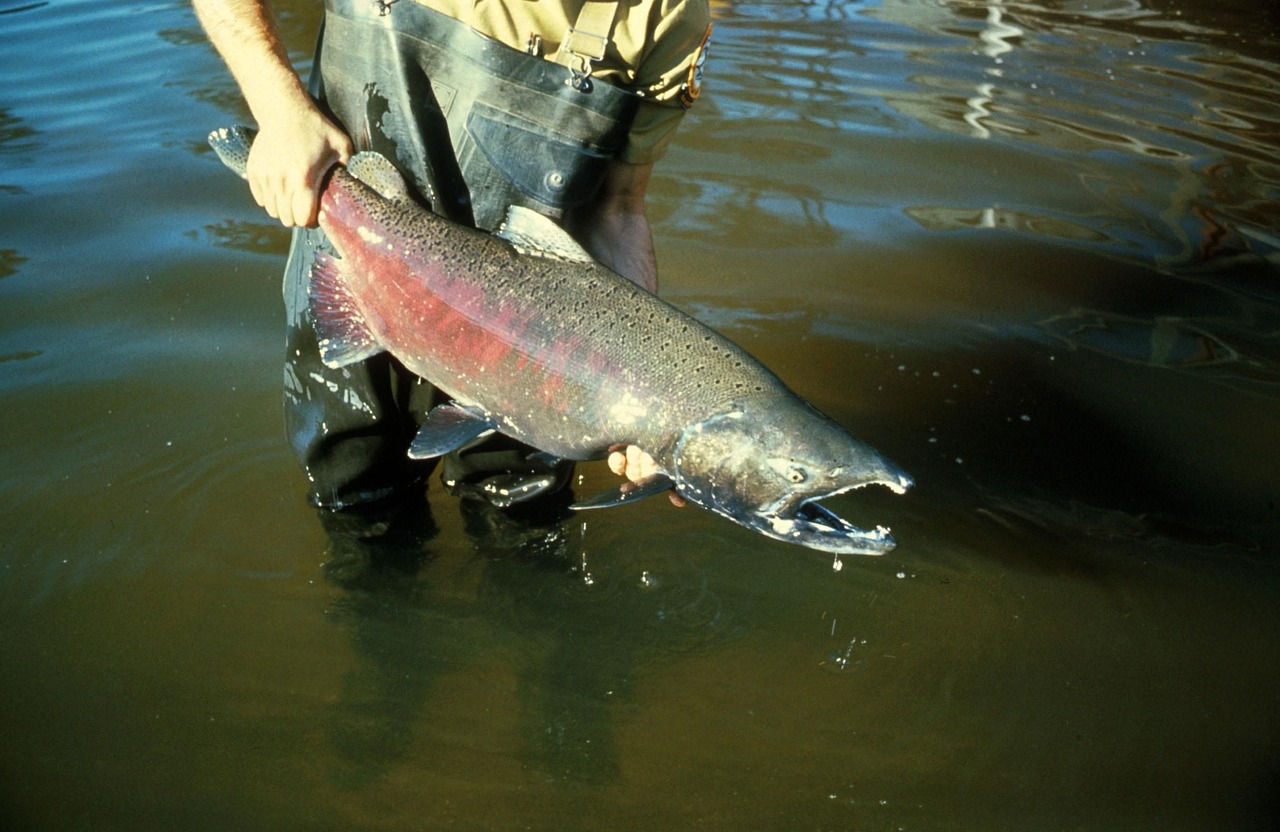
Fall Chinook are the heavyweights of the Columbia River.
These powerful salmon begin entering the river during the summer, with significant numbers moving through during August and September. Some continue their migration into October.
There are several different populations of fall Chinook in the Columbia, including upriver brights and tule Chinook.
Upriver brights are especially prized because they often enter freshwater in excellent condition. These fish can grow exceptionally large, with some exceeding 30 pounds.
Tule Chinook generally mature earlier and are associated with lower Columbia tributaries and hatcheries.
For anglers fishing near Astoria, late August and September are traditionally prime months for Chinook. By October, much of the run has already passed through the estuary, although some late fish may still be present.
Coho Salmon — September Through November
If I were planning a lower Columbia fishing trip in October, coho would be high on my list.
Coho, commonly called silver salmon, generally arrive later than the peak Chinook migration.
September and October can offer excellent opportunities, especially around the estuary and lower river.
These fish typically range from 6 to 12 pounds, although larger specimens are possible.
Coho are aggressive, acrobatic fighters that often strike moving lures and bait with surprising force.
One thing I've learned about fall coho is that they don't always behave like Chinook.
While Chinook often travel deeper, coho can be found suspended higher in the water column, especially when tidal conditions are favorable.
Late October and November can still bring coho into Columbia River tributaries, although the mainstem estuary fishery generally slows as the season progresses.
Summer Steelhead — Late Summer Into Fall
Steelhead are another fish anglers may encounter during the fall.
Most steelhead moving through the Columbia in September and October belong to summer-run populations.
Many have already entered freshwater and are traveling toward tributaries farther upstream.
Although steelhead can be present, the lower Columbia is not necessarily the best place to target them during October.
Specific retention restrictions and closures also apply, so check the current regulations before planning a steelhead trip.
Chum Salmon — October Through November
Chum salmon are another interesting part of the Columbia River's fall migration.
These fish typically arrive later in the season, with runs associated with October and November.
Chum are powerful salmon, sometimes reaching 15 pounds or more.
However, Columbia River chum populations are conservation-sensitive, and anglers should not assume they can legally target or retain them.
For most recreational anglers, fall Chinook and coho remain the primary salmon opportunities.
Best Places to Fish the Lower Columbia River in Fall
The Columbia River is enormous, and one of the biggest mistakes an angler can make is treating every stretch of water the same.
Fish move through different areas depending on the tide, current, water temperature, and stage of their migration.
Here are some of the locations worth learning.
1. Buoy 10 — Where the Columbia Meets the Pacific
Buoy 10 is one of the most famous salmon fisheries in the Pacific Northwest.
Located near the mouth of the Columbia River, this fishery attracts anglers from across Oregon and Washington.
The surrounding estuary is where ocean-going salmon begin transitioning into freshwater.
During August and September, large numbers of Chinook and coho can move through this area.
By October, coho generally become the main attraction.
Best fishing opportunities:
- Fall Chinook during authorized seasons.
- Hatchery coho salmon.
- Trolling herring, anchovies, and salmon lures.
- Fishing around tidal changes.
One of the biggest things to understand about Buoy 10 is the tide.
When incoming ocean water pushes into the estuary, salmon often move with it. These tidal movements can concentrate fish and create productive feeding opportunities.
I would pay particular attention to the incoming tide and the period around high slack.
However, the Columbia River bar and surrounding waters are notoriously dangerous. Strong outgoing currents combined with ocean swells can create life-threatening conditions.
This is serious boating water, and inexperienced boaters should consider fishing with a knowledgeable guide.
2. Hammond and the Lower Astoria Waterfront
Hammond is another excellent starting point for anglers exploring the lower Columbia.
Located west of Astoria, the community provides convenient access to the estuary.
The nearby waters are especially popular with boat anglers targeting salmon.
During the early fall season, Chinook and coho move through the surrounding channels.
By October, anglers frequently shift their attention toward coho.
Fishing techniques that work here:
Trolling cut-plug herring behind a flasher is a classic Columbia River approach.
Anchovies can also be effective.
Some anglers prefer spinners or rotating lure presentations.
The important thing is getting your offering into the depth where salmon are traveling.
On some tides, fish may be suspended well above the bottom. On others, fishing deeper can produce better results.
For bank anglers, accessible public waterfront areas around Astoria are worth investigating, although productive salmon water can be limited by shoreline access, navigation channels, and local restrictions.
3. Tongue Point — A Major Lower Columbia Landmark
Tongue Point sits east of Astoria and marks an important boundary in the Columbia River salmon regulations.
The surrounding water features channels, tidal movement, and areas where migrating salmon pass through.
For boat anglers, this section can provide opportunities to intercept fish moving upstream from the estuary.
Chinook are especially important during their main migration, while coho become a major focus later in the season.
I would concentrate on understanding the channel edges and current patterns rather than randomly trolling across open water.
Salmon frequently use predictable travel routes, and learning those routes is one of the keys to consistently finding fish.
Remember that the Tongue Point–Rocky Point line separates regulatory areas. Rules can change depending on which side of that boundary you're fishing.
4. Westport and the Lower Columbia Channels
Farther upstream, the Columbia River begins to change.
The strong ocean influence gradually decreases, although tidal effects can still be noticeable.
Around Westport, Oregon, anglers can explore sections of the river where migrating salmon continue their journey inland.
This area is worth considering during September and October when fish are moving upstream.
Boat anglers can look for deeper channels, current seams, and slower water near channel edges.
Bank anglers should focus on legal public access where the current brings fish within casting distance.
This is also where understanding river structure becomes especially important.
A salmon moving upstream doesn't necessarily travel through the fastest current.
Fish often conserve energy by following softer water near the edges of stronger flows.
5. Rainier and the Columbia River Near Longview
The Columbia River near Rainier, Oregon, and Longview, Washington, offers another stretch worth exploring.
By the time salmon reach this area, they have traveled a considerable distance from the Pacific.
During September, Chinook can still be moving through in substantial numbers.
October can bring opportunities for coho and later-moving salmon.
For bank anglers, this is the type of water where plunking techniques can become useful.
Instead of constantly casting and retrieving, plunking allows you to position bait or a lure in a travel lane and wait for migrating fish.
The challenge is locating the correct current.
Too much current can make it difficult to hold your gear in place. Too little current may put your presentation outside the main migration route.
Look for areas where moderate current runs alongside deeper water.
Always verify public access, bank-fishing restrictions, and the regulations for the exact stretch before fishing.
How to Catch Fall Salmon in the Columbia River
Knowing where salmon travel is only half the battle.
The other half is presenting something they'll actually strike.
Fall salmon can be aggressive, but they can also be frustratingly selective.
Trolling Herring for Chinook and Coho
Trolling remains one of the most effective methods for covering water in the lower Columbia.
A properly rigged herring creates a rotating action that can attract salmon from a distance.
Many anglers run their bait behind a flasher to create additional movement and visibility.
The basic setup includes a salmon trolling rod, a conventional reel with adequate line capacity, a flasher, a leader, and a properly rigged bait.
Depth is critical.
During incoming tides, salmon may travel suspended in the water column.
During outgoing tides, they may hold closer to the bottom.
Experimenting with depth can be more important than constantly changing bait.
Casting Spinners for Fall Salmon
Spinners are another excellent option, especially for anglers fishing from shore.
Large salmon spinners produce vibration and flash that can trigger aggressive strikes.
Popular colors include chartreuse, silver, copper, and combinations of red and orange.
When fishing a spinner, I prefer to cast slightly upstream or across the current and allow the lure to swing naturally.
The goal is to keep the blade rotating while presenting the lure at a speed that allows salmon to react.
Fishing too quickly can pull your spinner out of the strike zone.
Fishing too slowly can cause it to drag along the bottom.
Finding that balance takes practice.
Plunking for Salmon From the Bank
Plunking is one of the more traditional methods used by Columbia River bank anglers.
This technique involves using a heavy sinker to hold your presentation in a specific location.
Depending on regulations and conditions, anglers may use bait or an artificial lure.
A typical setup includes a heavy rod, strong mainline, a sinker system, and a leader attached to the presentation.
The trick is positioning your gear where salmon naturally travel.
I would look for a current seam, a gradual drop-off, or an area where fish can move upstream without fighting the strongest flow.
A good plunking location can produce fish throughout a migration.
A poor location can leave you staring at your rod all day.
Check applicable bait and hook restrictions before choosing your rig.
Understanding Fall Water Conditions
One of the biggest advantages an experienced Columbia River angler has is knowing how to read the water.
Unlike smaller coastal rivers, the Columbia is influenced by enormous volumes of freshwater, tidal movements, and changing weather conditions.
During early fall, the river can remain relatively warm.
As October progresses, cooler weather and increasing rainfall gradually change the system.
These conditions influence how salmon travel.
Water Temperature
Salmon generally benefit from cooler water during their upstream migration.
Prolonged warm conditions can create stress and influence migration behavior.
Cooling fall temperatures can improve conditions, although fish movement depends on several factors beyond temperature alone.
Water Clarity
The Columbia River can carry sediment from a massive watershed.
After significant rainfall, tributaries may introduce additional sediment and reduce visibility.
When the water becomes stained, brighter lures and presentations with more vibration can help fish locate your offering.
In clearer conditions, natural bait presentations and more subtle colors may be effective.
Tidal Movement
Near Astoria, tides are one of the most important factors to understand.
Incoming tides bring saltwater into the estuary and can help move salmon upstream.
Outgoing tides create stronger downstream currents.
A productive fishing spot during one tide may become nearly impossible to fish during another.
This is why checking tide predictions before leaving home is just as important as checking the weather.
October 2026 Columbia River Fishing Regulations
Fishing regulations on the Columbia River can change quickly, especially during fall salmon season.
Oregon and Washington manage the shared river through coordinated fishing regulations, and emergency changes can affect open seasons, retention limits, and species restrictions.
For 2026, fishery managers forecast approximately 636,500 adult fall Chinook and 358,700 adult coho returning to the Columbia River system.
These are preseason estimates, not confirmed October fish counts.
The October 8, 2026, Columbia River fishing report emphasizes checking current regulation updates before fishing.
Important regulations for October 2026:
In the Buoy 10 area, from the Buoy 10 line upstream to Tongue Point–Rocky Point, October regulations allow retention of hatchery coho, subject to applicable daily limits. Chinook retention is not generally open during October under the published rules.
From Tongue Point–Rocky Point upstream to the west Puget Island line, hatchery coho retention is also permitted under the published October rules, with Chinook release requirements.
Farther upstream, from west Puget Island toward the Highway 395 Bridge, regulations include a limited period allowing retention of unmarked coho through October 15, 2026.
A September emergency modification also added Chinook retention opportunities for September 26–27, but those dates have passed.
Anglers should not assume that Chinook may be retained in October simply because fish are present.
Additional restrictions may apply to steelhead, chum salmon, jack salmon, hook types, and individual fishing areas.
Always check the current regulations before fishing:
ODFW Columbia River Fishing Report
ODFW 2026 Columbia River Salmon Seasons
Washington Department of Fish and Wildlife Columbia River Information
When Is the Best Time to Fish the Lower Columbia?
If you're planning a fall fishing trip, timing can make a tremendous difference.
Late August through September is traditionally the most exciting period for anglers chasing large fall Chinook.
During this period, substantial numbers of salmon enter the river from the Pacific.
September also marks the arrival of increasing numbers of coho.
October is when I would begin focusing more heavily on coho, especially around Astoria and the lower estuary.
Although Chinook may still be moving through, the peak of their migration has generally passed.
November is a different story.
By this point, many salmon have already entered tributaries or reached spawning areas.
Some late coho may still be moving through the system, but the lower Columbia's main salmon fishing opportunities have generally declined.
For anglers who want to continue fishing into November, looking toward appropriate tributary fisheries may offer better opportunities than concentrating exclusively on the mainstem.
A Few Things I'd Never Ignore Before Fishing the Columbia
The Columbia River is not a place to underestimate.
Its size, powerful currents, commercial shipping traffic, and unpredictable weather can create dangerous conditions.
Before heading out, I would always check the marine forecast, tidal predictions, and river conditions.
For boat anglers, a properly fitted life jacket, reliable communications equipment, and knowledge of navigation hazards are essential.
The Columbia River bar deserves particular respect.
Even experienced boaters can find themselves in dangerous conditions when strong outgoing tides meet incoming ocean swells.
For bank anglers, slippery rocks, steep shorelines, submerged debris, and rapidly changing water levels can also create hazards.
Another important consideration is fish identification.
Knowing the difference between Chinook, coho, steelhead, and chum is essential when regulations require certain species to be released.
Anglers also need to recognize hatchery markings when retention is limited to fin-clipped fish.