From River to Smoker: How I Smoke Fresh Oregon Coast Salmon
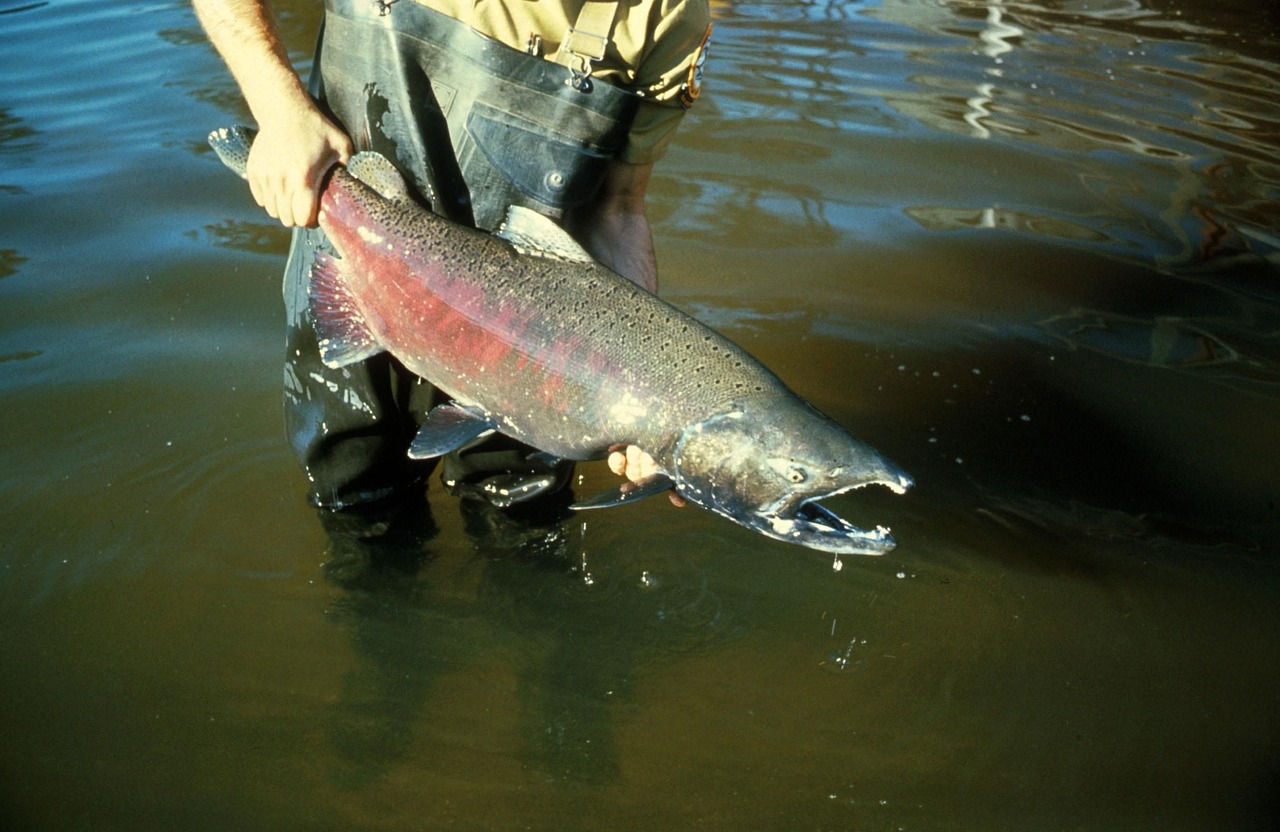
There are a lot of ways to cook salmon, but when I bring home a fresh Chinook or coho from the Oregon Coast, smoking at least part of that fish is almost mandatory.
For me, it’s part of the whole experience. You spend hours standing along a cold coastal river, watching your line work through the current, waiting for that one solid takedown. Then suddenly you're fighting a bright salmon toward the bank. A few hours later you're back home cleaning fish, mixing brine, and already thinking about that first piece coming out of the smoker.
And when you do it right, fresh Oregon salmon doesn't need anything fancy. Salt, brown sugar, smoke, and a little patience will do most of the work.
Start With a Good Fresh Salmon
The quality of smoked salmon starts long before you turn on the smoker.
Once I keep a salmon, I want that fish bled quickly and chilled as soon as possible. Salmon deteriorates surprisingly fast when it stays warm. Keeping it cold helps preserve the firm texture and clean flavor that we're trying to protect.
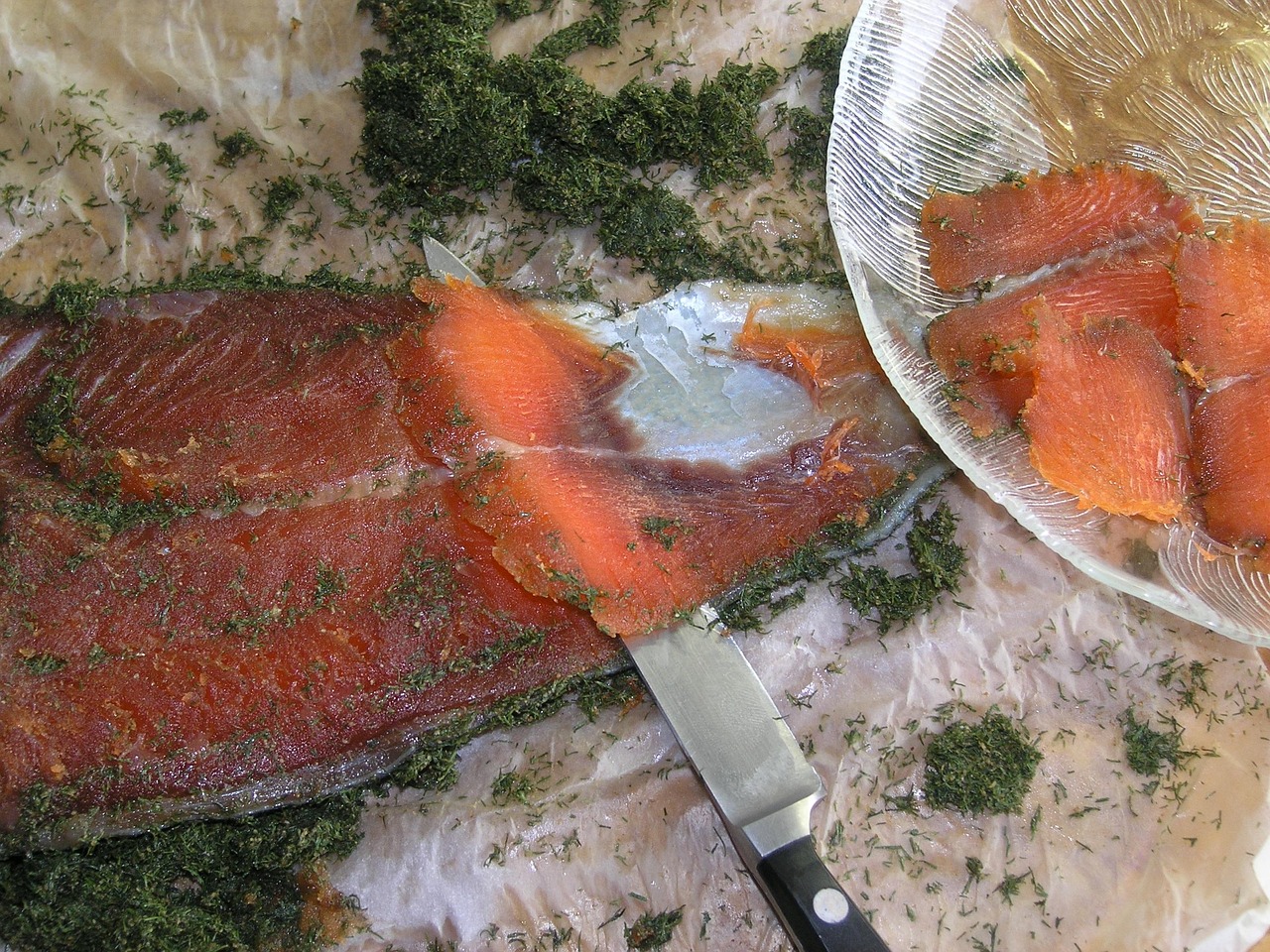
Back home, I fillet the salmon and remove the rib bones and pin bones. I usually leave the skin on. The skin helps hold everything together during smoking and makes the pieces much easier to handle.
For smoking, I don't leave the fillets whole. I cut them into fairly uniform strips or chunks, usually around 1½ to 2 inches wide. Uniform pieces are important because they'll brine and smoke at roughly the same rate.
Save those thicker pieces from around the shoulders and belly. They can turn into some of the best smoked salmon in the entire batch.
My Basic Salmon Brine
Everybody who smokes salmon eventually develops their own brine. Some are incredibly complicated. Mine isn't.
For a simple wet brine, I use:
- 1 gallon cold water
- 1 cup kosher salt
- 1½ to 2 cups brown sugar
- ½ cup maple syrup or honey, optional
- 1 tablespoon black pepper
- 1 tablespoon garlic powder
Dissolve everything thoroughly and make sure the brine is completely cold before adding the salmon.
Put the salmon into a nonreactive container or food-safe bag and completely cover it with the brine. Keep the fish refrigerated the entire time.
For smaller pieces, I'll usually brine them around 6–8 hours. Thick Chinook pieces may go 8–12 hours. I generally avoid leaving them overnight much beyond that unless I'm specifically trying for a saltier, firmer finished product.
One lesson I've learned is that more brining isn't necessarily better. Leave salmon in a strong brine too long and you can overpower the flavor of the fish.
Don't Skip the Drying Stage
This might be the most overlooked part of smoking salmon.
After brining, I remove the salmon and give each piece a quick rinse under cold water. Then I pat everything dry with paper towels and arrange the pieces on smoker racks with some space between them.
Now I wait.
I'll usually let the salmon air-dry under refrigeration or in another properly chilled environment until the outside becomes slightly tacky. This coating is called the pellicle.
Depending on conditions and the size of the pieces, it can take several hours.
Run your finger lightly across the salmon. You're looking for a slightly sticky or tacky surface rather than a wet one.
That pellicle helps the smoke adhere to the fish and gives properly smoked salmon that beautiful glossy exterior.
What Wood Should I Use?
Here on the Oregon Coast, alder just feels right.
Alder produces a relatively mild smoke that complements salmon without burying its natural flavor. Apple is another favorite of mine because it's slightly sweet and mild.
Maple works nicely too.
I tend to stay away from really aggressive smoke when I'm working with fresh Chinook or coho. I spent too much time catching that fish to make the entire thing taste like a campfire.
Into the Smoker
Once the pellicle has formed, the salmon is ready.
I arrange the pieces skin-side down, leaving enough room for heat and smoke to circulate.
I like smoking salmon relatively low and slow rather than blasting it with heat immediately. Depending on the smoker, I'll start somewhere around 140–150°F and gradually increase the temperature.
Something like this works well:
First hour: 140–150°F
Second hour: around 160°F
Finish: around 170–180°F
Gradually raising the temperature can also help reduce that white material you sometimes see squeezing out of salmon. That's albumin—a protein naturally found in the fish. It isn't harmful, but excessive albumin usually means the fish heated too aggressively.
Smoking time varies enormously.
Thin pieces might finish in only a few hours. Thick chunks of Chinook can take considerably longer. That's why I don't judge smoked salmon strictly by the clock.
I judge it by temperature and texture.
When Is the Salmon Done?
This is where I don't gamble.
For home cooking, I cook salmon to a safe internal temperature of 145°F, checking the thickest portion with an instant-read food thermometer.
The finished salmon should be firm but still moist inside. When you break a piece apart, you want beautiful flakes—not fish that's so dry you could use it for roofing material.
Remember that different pieces may finish at different times. If you've got thin tail pieces mixed with thick shoulder pieces, start pulling the smaller pieces as they reach temperature rather than waiting for everything to finish together.
Adding a Sweet Glaze
If I want sweeter smoked salmon, I'll brush the pieces lightly with maple syrup or honey during the latter part of the smoking process.
Don't drown them in it.
A thin coating is enough to give the salmon a beautiful glossy finish and that sweet-salty-smoky flavor that's ridiculously hard to stop eating.
Brown sugar, maple and alder smoke over a fatty piece of Oregon Chinook is about as good as smoked fish gets.
Let It Rest
When the salmon comes out, I let it cool before packaging it.
And yes, I usually steal a piece directly off the rack.
Quality control.
Once cooled, smoked salmon should be refrigerated promptly. I vacuum seal portions I'm not planning to eat right away and freeze them for longer storage.
One important distinction: hot-smoking salmon does not automatically make it shelf-stable. Treat ordinary home-smoked salmon as a perishable food unless you're following a scientifically tested preservation process specifically designed for shelf-stable fish.
I eat smoked salmon straight from the smoker, crumble it into scrambled eggs, put it on crackers with cream cheese, add it to chowder, make smoked salmon dip, or vacuum seal packages for later.