Fall Razor Clamming on the Oregon Coast: My Guide to Finding & Digging
There are a lot of reasons I love fall on the Oregon Coast, but one of my favorites is that it gives me an excuse to throw on my boots, head down to the beach, and see what I can dig up. When razor clamming is open, it's a coastal adventures that can turn an ordinary cold morning into something you end up talking about all day. Unfortunatley it will be closed for October 2026b but check back for this November.
Razor clamming isn't hard, but there's definitely a learning curve. My first piece of advice is don't expect to walk onto the beach, see a bunch of holes, and start pulling clams out of the sand. Half the fun is figuring out where they're hiding. Once you learn what you're looking for, though, you'll start seeing signs in the sand that you probably walked over a hundred times before.
Before heading out, always check the current Oregon Department of Agriculture shellfish safety closures and ODFW regulations. Razor clam areas can close because of marine biotoxins or conservation measures, so never assume a beach is open just because you've harvested there before.
First Things First — Plan Around the Tide
If I'm going razor clamming, the first thing I look at isn't the weather. It's the tide.
You can have beautiful sunshine and almost no wind, but if you show up at high tide, you're probably going to be drinking coffee and staring at the ocean instead of digging clams.
I look for a good low tide, and negative tides really get my attention. The farther the water pulls back, the more razor clam territory becomes exposed. I usually try to get onto the beach an hour or two before the predicted low. That way I can follow the outgoing water and start looking while fresh sand is being exposed.
But tide height isn't everything. I also look at the ocean conditions. I've seen days when the tide chart looked fantastic but the surf was hammering the beach. I'm not going to turn my back on a rough Pacific Ocean just to chase a clam.
If the waves are ugly, I will come back another day.
Where I Would Start Looking
If somebody asked me where to try razor clamming for the first time in Oregon, I'd point them toward the northern Oregon Coast.
The long stretch of sand around Seaside, Gearhart, and Warrenton is Oregon's heavyweight razor clam country. The beaches are broad and sandy, and this northern section of coastline produces the overwhelming majority of Oregon's razor clam harvest.
There are opportunities farther south, too. Agate Beach around Newport can hold razor clams, and there are known razor clam areas around Winchester Bay and Coos Bay. The numbers can be much more hit-and-miss once you leave the northern beaches. Sometimes finding your own productive stretch of sand is better than standing shoulder-to-shoulder with everybody else.
Wherever I'm going, I check the regulations for that specific area first. Clatsop beaches, for example, have an annual razor clam conservation closure from July 15 through September 30. Other temporary closures can happen because of marine biotoxins.
What I Throw in the Truck
You don't need a garage full of equipment for this.
My basic setup is a clam gun, waterproof boots or waders, warm clothes, rain gear, gloves, and something to carry my clams in. I also bring drinking water and keep my phone somewhere it isn't going to get soaked or filled with sand.
I like a clam gun because once you figure out how to use one, it's pretty efficient. Some people swear by clam shovels, and experienced diggers can make a shovel look ridiculously easy. For somebody just getting started, though, I think a clam gun is a pretty straightforward way to learn.
Most importantly, I make sure my shellfish license and everything else I need are squared away before leaving home. I don't want to be standing on the beach at six in the morning trying to figure out regulations on my phone with freezing fingers.
Now Comes the Fun Part
Once I'm on the beach, I slow down.
This is probably the biggest thing I've learned about razor clamming. Beginners tend to walk too fast because they're looking for some giant obvious hole in the sand. Usually, that's not what you're going to see.
I'm looking for little disturbances called clam shows. Sometimes it's a small hole. Sometimes it's a dimple. Sometimes it looks almost like somebody poked the wet sand with the end of a pencil. Other times there's just something about that particular spot that doesn't look quite right.
When I'm working a promising stretch of beach, I'll occasionally stomp my foot or tap the sand. The vibration can make a razor clam move underneath the surface and reveal a fresh show.
Once you've found a few, your eyes start adjusting to what you're looking for. Suddenly those tiny marks become much easier to recognize. I've always thought that's the point where you go from wandering around on a beach carrying a weird metal tube to actually feeling like a clam digger.
How I Dig One With a Clam Gun
Once I've found a good show, I don't waste much time. Razor clams can dig surprisingly fast, and they're pretty good at making you look foolish.
I position the clam gun over the show, usually favoring the ocean side slightly rather than automatically centering it perfectly over the hole. Then I push the tube straight down into the sand while keeping the air hole uncovered.
I try not to aggressively twist the gun around because that's a good way to break shells.
Once I've pushed down far enough, I cover the air hole with my thumb and pull upward. Covering that hole creates suction and helps bring the column of sand up with the gun.
I dump the sand beside the hole and start looking.
Sometimes there's a beautiful razor clam sitting right there.
Sometimes there's absolutely nothing.
If I missed it, I check the hole because the clam may have moved deeper. You don't want to start blindly shoving your hands into the sand, though. Razor clam shells are thin and their broken edges can be sharp.
After missing a few, you start getting better at judging where the clam is actually sitting underneath the show.
You're Going to Miss Some
This deserves its own section because nobody tells you how irritating a razor clam can be until you've chased one halfway to California.
These clams can move.
You'll see the show, line everything up perfectly, push down, pull out a giant plug of sand and think, "I've got you."
Nope.
Nothing.
Meanwhile that clam is somewhere underneath you digging toward the center of the earth.
Don't get frustrated. Missing clams is part of learning. After you've dug enough of them, you start understanding how they're positioned and how quickly you need to react.
That's part of what makes finally pulling one out so satisfying.
Pay Attention to What's Behind You
One mistake I absolutely don't make is becoming so focused on the sand that I forget there's an entire Pacific Ocean behind me.
Razor clamming naturally puts your attention downward. You're looking for tiny marks in the sand, watching your clam gun and trying to figure out where the clam went. It's surprisingly easy to stop paying attention to the surf.
Every few minutes, I look up.
I watch the waves. I keep track of how quickly the tide is coming in. I pay attention to logs and debris in the surf, and I don't put myself somewhere that could become cut off when the water rises.
No clam is worth gambling danger with the ocean.
Know the Rules Before You Start Digging
This is another part of clamming that I take seriously.
Oregon's regulations can change, and temporary closures happen. Before I leave home, I check both the current shellfish regulations and marine biotoxin closures.
Razor clams are also one of those species where you need to know the rules before you start digging. Oregon's regulations generally require razor clam diggers to keep the first 15 clams dug, regardless of size or condition. You can't dig a little one and throw it back because you're hoping the next one will be bigger.
Each digger also needs their own container and needs to harvest their own clams, aside from specific legal exceptions.
I always verify the current rules before a trip rather than relying on what the limit was the last time I went.
Don't Skip the Shellfish Safety Check
This might be the most important part of the entire trip.
Marine biotoxins such as domoic acid can accumulate in razor clams, and closures can happen even when the beach and ocean look perfectly normal. You can't stand on the beach and tell whether a clam is safe simply by looking at it.
That's why checking Oregon's current shellfish safety information before harvesting isn't optional for me.
I do it every time.
If the area is closed, I don't dig.
There will be another tide and another trip.
Cleaning Them When I Get Home
Once I get home, I like to deal with the clams fairly quickly.
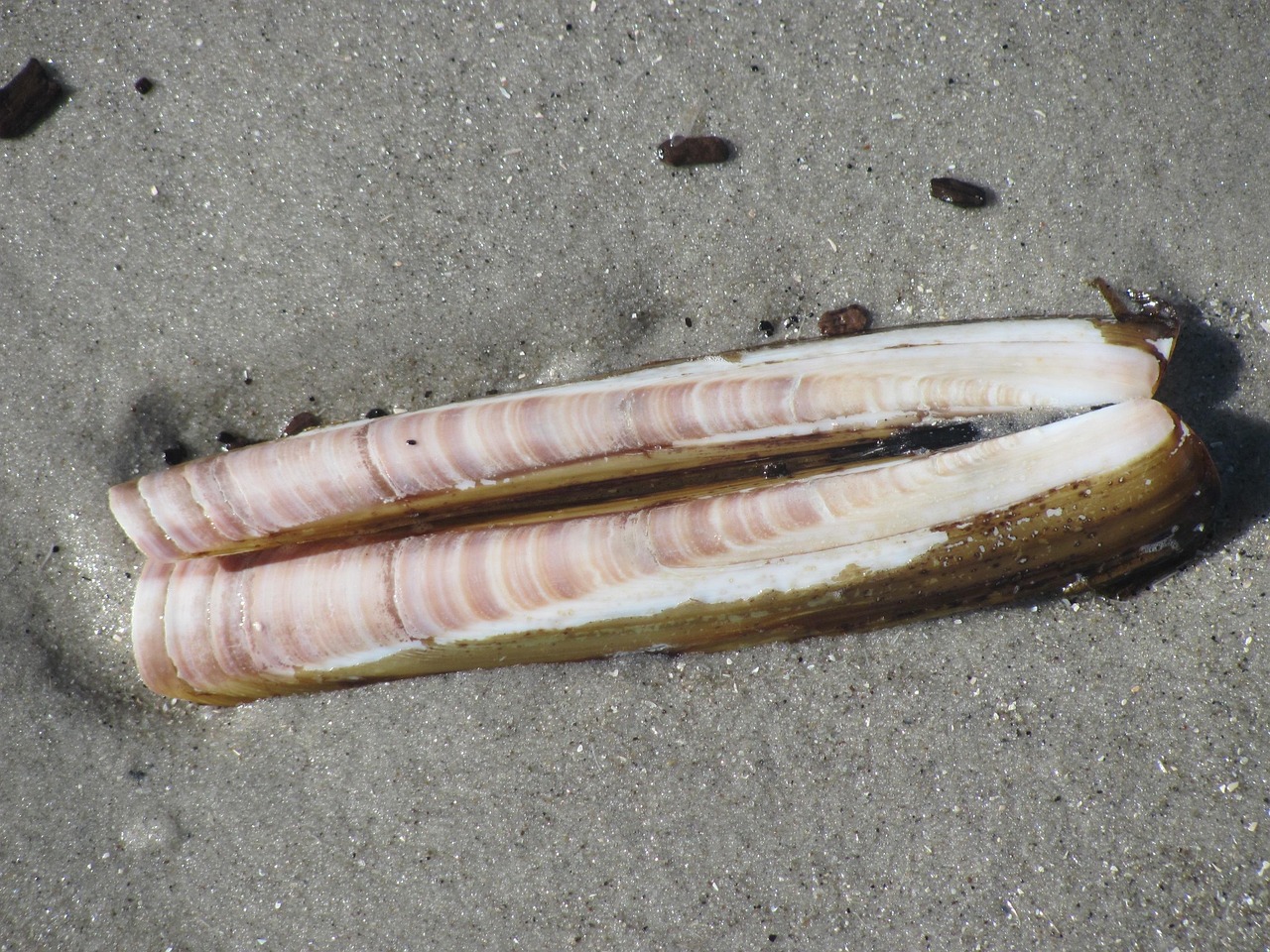
Razor clams can hold plenty of sand, so cleaning them properly makes a huge difference when it's time to eat. A quick dip in hot water followed by cold water can help release the meat from the shell. From there, I carefully remove and clean the meat, getting rid of the unwanted parts and rinsing away any remaining sand.
The first time you clean one, it can look a little intimidating. After you've done several, it becomes pretty routine.
I keep everything cold during the process and refrigerate or freeze whatever I'm not going to cook right away.
And Then We Eat
I'm not interested in turning fresh razor clams into some 27-ingredient gourmet experiment. I like them simple.
I'll clean them, give them a light breading, season them and put them into a hot skillet. Razor clam meat doesn't need to spend forever cooking. Overdo it and you can turn something tender into rubber pretty quickly.
A plate of fresh fried razor clams after spending the morning digging them yourself is pretty hard to beat.
Getting up ridiculously early. Driving toward the coast in the dark. Watching the sky start turning gray over the Pacific. Pulling on cold rubber boots. Walking onto an almost empty beach and trying to figure out what happened underneath the sand while I was sleeping.
If you've never tried razor clamming on the Oregon Coast, wait until harvesting is open, find yourself a good low tide, check the ocean conditions, grab a clam gun and give it a shot.
Once you pull that first razor clam out of the beach, you'll understand why so many of us keep coming back.


.jpeg)