Fall Salmon in Astoria, Oregon: Chasing Big Chinook & Silver Bullets at Buoy 10
The Columbia River in the fall that gets my blood really pumping. That sweet anticipation of hooking into a 30-pound Chinook, the sound of screaming reels, or just knowing that somewhere beneath that cold, murky water, thousands of salmon are pushing upriver. When the fall salmon run starts heating up around Astoria, Oregon, there aren't many places I'd rather be.
If you've never experienced the Buoy 10 fishery near the mouth of the Columbia River, you're missing out on one of the most exciting salmon fishing opportunities in the Pacific Northwest. This is big water, big tides, powerful currents, and some seriously big ass salmon.
Why I Love Fishing Buoy 10 in the Fall
The Buoy 10 fishery stretches from the mouth of the Columbia River upstream toward the Astoria area and beyond. It's where salmon fresh from the Pacific Ocean begin their journey toward spawning grounds hundreds of miles upriver.
What makes this fishery so awesome is the sheer number of salmon moving through during the late summer and early fall.
August is traditionally prime time for big fall Chinook, while September and October can bring excellent opportunities for coho salmon, depending on the season and fishing regulations. Many of these fish are fresh from the ocean, bright silver, aggressive, and full of fight.
Getting on the Water Before Sunrise
If I'm planning a day of salmon fishing around Astoria, I'm usually up long before the sun.
Coffee in hand, tackle in the other hand, checking the tides one last time before heading toward the boat launch. The mornings can be downright chilly, especially when that coastal fog rolls across the river.
One of the most popular places to launch is the Hammond Marina, located just west of Astoria near Warrenton. It's a convenient starting point for anglers heading toward the lower Columbia and the Buoy 10 fishing grounds.
Once you're on the river, you'll quickly understand why this fishery has such a reputation.
Fishing boats are scattered across the water, everyone working their favorite trolling lanes, watching their electronics, and waiting for that first rod to bury.
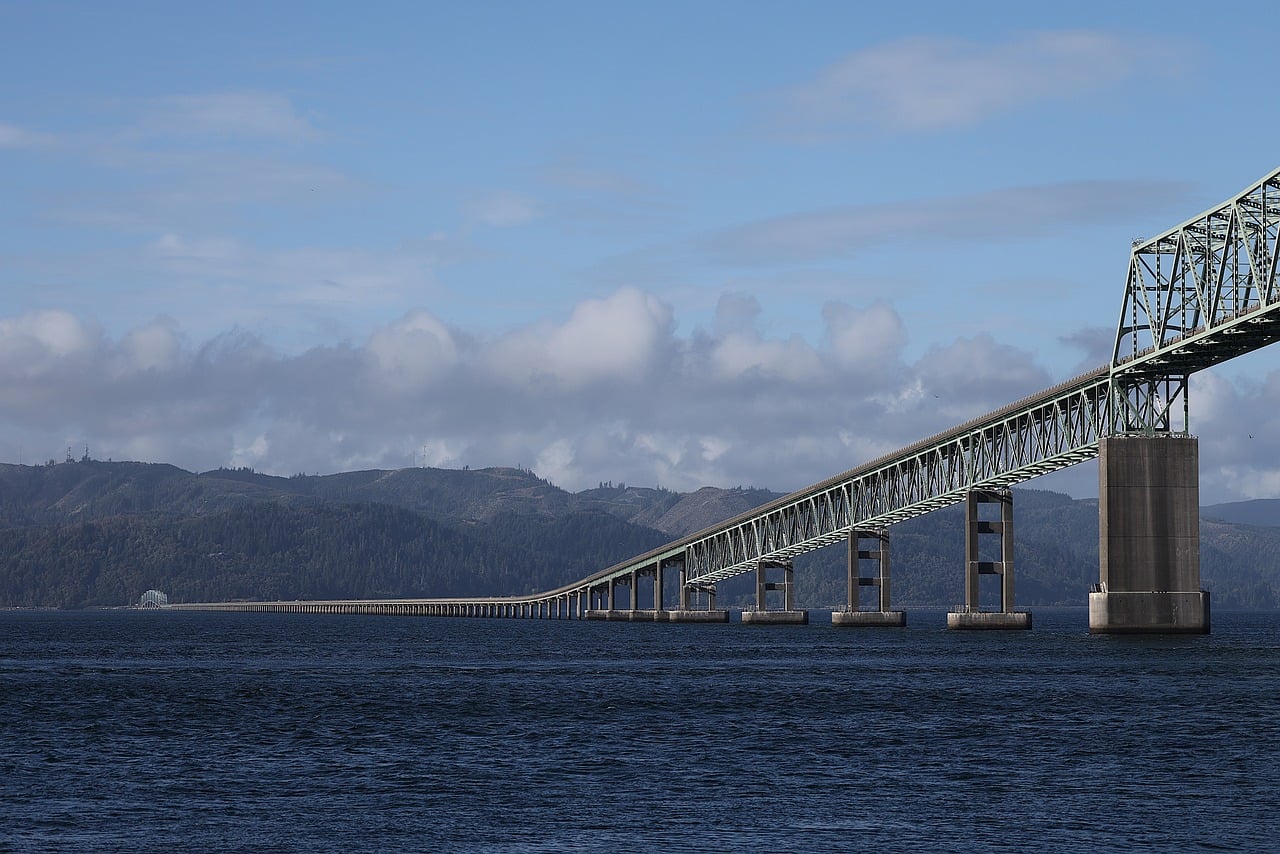
The Astoria-Megler Bridge towers in the distance, massive cargo ships move through the shipping channels, and the smell of saltwater hangs in the air.
Understanding the Tides: The Secret to Finding Salmon
You can have the best rods, the freshest bait, and the fanciest electronics money can buy, but if you're fishing the wrong water at the wrong time, you might spend hours staring at your rod tips.
Salmon entering the Columbia often move with the incoming tide, taking advantage of the cooler ocean water and tidal currents. Personally, I like planning my fishing around the incoming tide and the period surrounding high slack water.
As the tide begins moving out, fish can become aggressive, and some of the best bites happen shortly after the tide changes. The Columbia River isn't a place to underestimate the water. Strong outgoing tides combined with ocean swells and afternoon winds can create dangerous conditions, especially near the river mouth.
I always check the marine forecast, tidal exchanges, and wind conditions before launching.
My Favorite Way to Target Fall Chinook
Trolling is one of my favorite techniques. My typical trolling setup consists of a medium-heavy salmon rod, a dependable line-counter reel, braided mainline, and a flasher paired with either a cut-plug herring or a quality spinner.
Fresh herring has always been one of my favorite salmon baits. The trick is getting that bait to spin properly. You want a tight, consistent rotation that imitates a wounded baitfish. A poorly rigged herring can spin awkwardly or drag through the water without much action, and salmon can be surprisingly picky. I generally start by experimenting with different depths until I find where the fish are traveling. Some days they're holding closer to the bottom. Other days they're suspended in the water column, following schools of baitfish.
But electronics only tell part of the story. Paying attention to other anglers, bird activity, current seams, and changes in water color can help you figure out where salmon are moving.
When a Big Chinook Finally Hits
There's no mistaking a big Chinook strike.
I love that initial rush of grabbing the rod, feeling the weight of the fish, and realizing you've hooked something that has absolutely no intention of coming into the boat. Big Chinook don't always jump around like coho. Sometimes they just dig deep, shake their heads, and use every bit of that powerful Columbia River current against you.
The fight can last depending on the fish and the current. Keeping steady pressure, avoiding sudden movements, and letting the rod do its job are important. I've seen plenty of salmon lost right at the boat because someone got impatient. There's nothing worse than watching a beautiful Chinook roll beside the net, give one final headshake, and disappear.
Don't Overlook the Fall Coho Run
As the season progresses, coho salmon become a major attraction around Astoria. These fish are smaller than the biggest Chinook, but what they lack in size, they more than make up for in attitude. Coho are aggressive, unpredictable, and famous for their acrobatic fights. They'll make blistering runs, change directions without warning, and sometimes launch themselves completely out of the water.
September is traditionally an excellent month for targeting coho around Buoy 10, and fishing opportunities can continue into October. When targeting coho, I like experimenting with brightly colored spinners, flashers, and herring presentations. Sometimes a faster trolling speed can trigger aggressive strikes, especially when fish are actively feeding.
If the fish aren't responding to one presentation, don't be afraid to change things up.
Where I Would Concentrate My Fishing Efforts
For anglers unfamiliar with the Astoria area, there are several sections of the lower Columbia worth learning.
The waters around Hammond and the lower river toward Buoy 10 are well-known salmon trolling areas. These locations intercept fish moving in from the Pacific Ocean.
The area around the Astoria-Megler Bridge is another recognizable landmark, although anglers need to pay close attention to shipping traffic, navigation channels, and fishing boundaries.
Farther upstream, the waters around Tongue Point can also provide salmon opportunities during open seasons. I prefer spending time learning one section of the river rather than constantly running from spot to spot.
Watch how the tides move, pay attention to where fish are being caught, and learn which trolling lanes produce during different conditions. Over time, you'll start recognizing patterns.
What About Fishing From the Bank?
Not everyone has access to a boat, and that's perfectly fine.
Bank fishing opportunities exist around the lower Columbia, although access, seasonal closures, and fishing success vary considerably.
The South Jetty near Fort Stevens State Park is one location anglers sometimes consider for salmon fishing during authorized seasons.
However, jetty fishing requires extreme caution. Slippery rocks, powerful waves, and unpredictable ocean conditions make it dangerous, particularly during fall storms. If I'm fishing from shore, I prefer finding a safe, legal location with enough room to cast and work my gear without interfering with other anglers.
Heavy casting spinners and other legal salmon presentations can be effective when fish are moving within casting distance. Just remember that bank fishing the lower Columbia is very different from fishing a smaller coastal river.
You might spend considerable time waiting for salmon to move through your particular stretch of water.
A Few Things I Always Bring Along
After spending enough time fishing Oregon's coastal waters, you learn pretty quickly what equipment is worth having.
A quality rain jacket is absolutely essential. Even when the forecast looks promising, the weather around Astoria can change in a hurry. I also bring extra leaders, hooks, flashers, bait, and plenty of warm clothing.
A reliable landing net is another must-have when fishing from a boat. There's nothing more frustrating than finally getting a beautiful salmon alongside the boat and realizing your net isn't ready.
Know the Regulations Before You Go
One important thing about fishing the Columbia River is that salmon regulations can change throughout the season.
For 2026, the Buoy 10 fishery had exceptionally strong early Chinook catches, resulting in adjustments to the fishing regulations.
As of October 8, 2026, the published regulations for the Buoy 10-to-west-Puget-Island section allow retention of hatchery coho, while Chinook must be released. The daily adult limit is three hatchery coho through October 31, subject to further changes.
Always check the latest Oregon Department of Fish and Wildlife fishing regulations before heading out.
Pay particular attention to Chinook retention rules, hatchery versus wild fish identification, bag limits, and location-specific closures.
Just because salmon are running doesn't necessarily mean you can keep them.
If you're looking for a true Pacific Northwest salmon fishing adventure, put Astoria and the Buoy 10 fishery on your list. Just remember that August and early September are generally better choices for anglers hoping to harvest Chinook, while October is more about chasing those hard-fighting coho.


.jpeg)