Fall Salmon Are Still Running! What's Coming Through Bonneville Dam on the Columbia River Right Now?
October 14, 2026 | Columbia River Fishing Report
October is an exciting time to keep an eye on the Columbia River, especially if you're a salmon or steelhead fisherman. While some of the biggest pushes of fall Chinook have already made their way upriver, the fish aren't finished moving. In fact, the latest counts at Bonneville Dam show that thousands of salmon are still making their way through the Columbia River system.
Right now, coho salmon are putting on a show, fall Chinook are still pushing upstream, and steelhead continue to trickle through the fish ladders.
For anglers fishing the Columbia River Gorge, the lower Columbia, or tributaries farther upstream, these numbers offer a look at what's happening beneath the surface.
What's Swimming Through Bonneville Dam Right Now?

According to the Fish Passage Center's latest available counts, recorded October 13, 2026, Bonneville Dam is still seeing substantial salmon movement.
Here's what passed through the dam on October 13:
Fish SpeciesDaily CountAdult Fall Chinook373Jack Chinook61Adult Coho Salmon692Jack Coho87Steelhead18Sockeye Salmon0Pacific Lamprey0
That means 1,213 Chinook and coho salmon, including adults and jacks, passed Bonneville Dam in a single day. Another 18 steelhead made their way upstream.
These are actual fish passage counts, not preseason predictions. (Fish Passage Center)
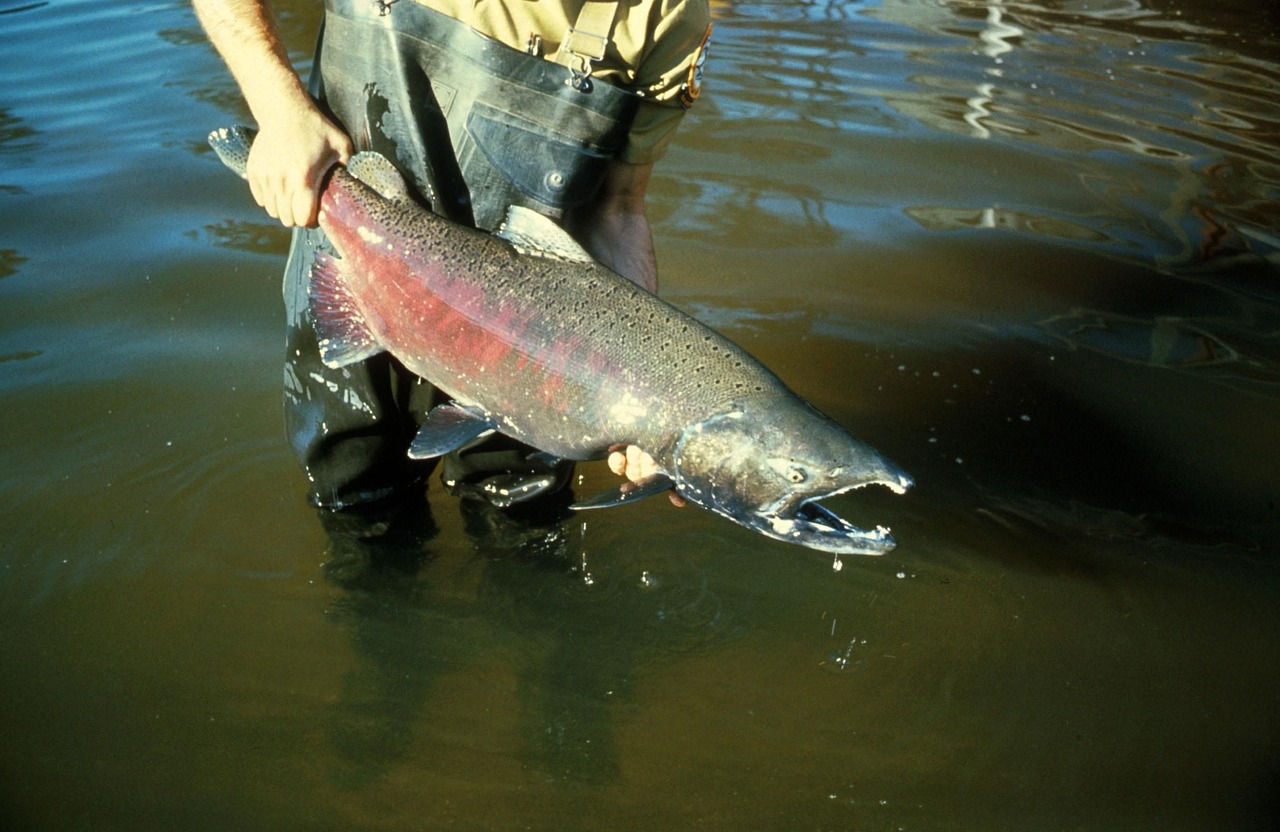
Fall Chinook Salmon: The Big Boys Are Still Moving

For serious salmon fishermen, fall Chinook are one of the biggest reasons to watch Bonneville Dam this time of year.
These powerful fish begin entering the Columbia River during the summer, with major migrations continuing into the fall. Many are headed toward spawning grounds and hatcheries throughout the Columbia and Snake River systems.
By mid-October, the peak of the run has generally passed, but that doesn't mean the river is empty.
On October 7, Bonneville recorded 1,195 adult fall Chinook. By October 12, that number had dropped to 247, before climbing slightly to 373 on October 13.
The numbers suggest the main migration is winding down, although smaller groups of fish are still moving upriver. (Fish Passage Center)
What does this mean for fishermen?
It means there are still Chinook in the Columbia River system, but finding them can become more challenging as the season progresses.
Rather than expecting large schools of fresh fish, anglers may encounter smaller groups moving through deeper channels, current seams, and areas where fish pause during their migration.
Fall Chinook can also become less aggressive as they approach their spawning destinations.
For anglers targeting these fish where fishing is open, trolling plugs, fishing wobblers, or presenting bait in travel lanes can be productive techniques. However, Chinook retention is restricted in many Columbia River sections right now, so checking the regulations before fishing is essential.
Coho Salmon: October's Big Story

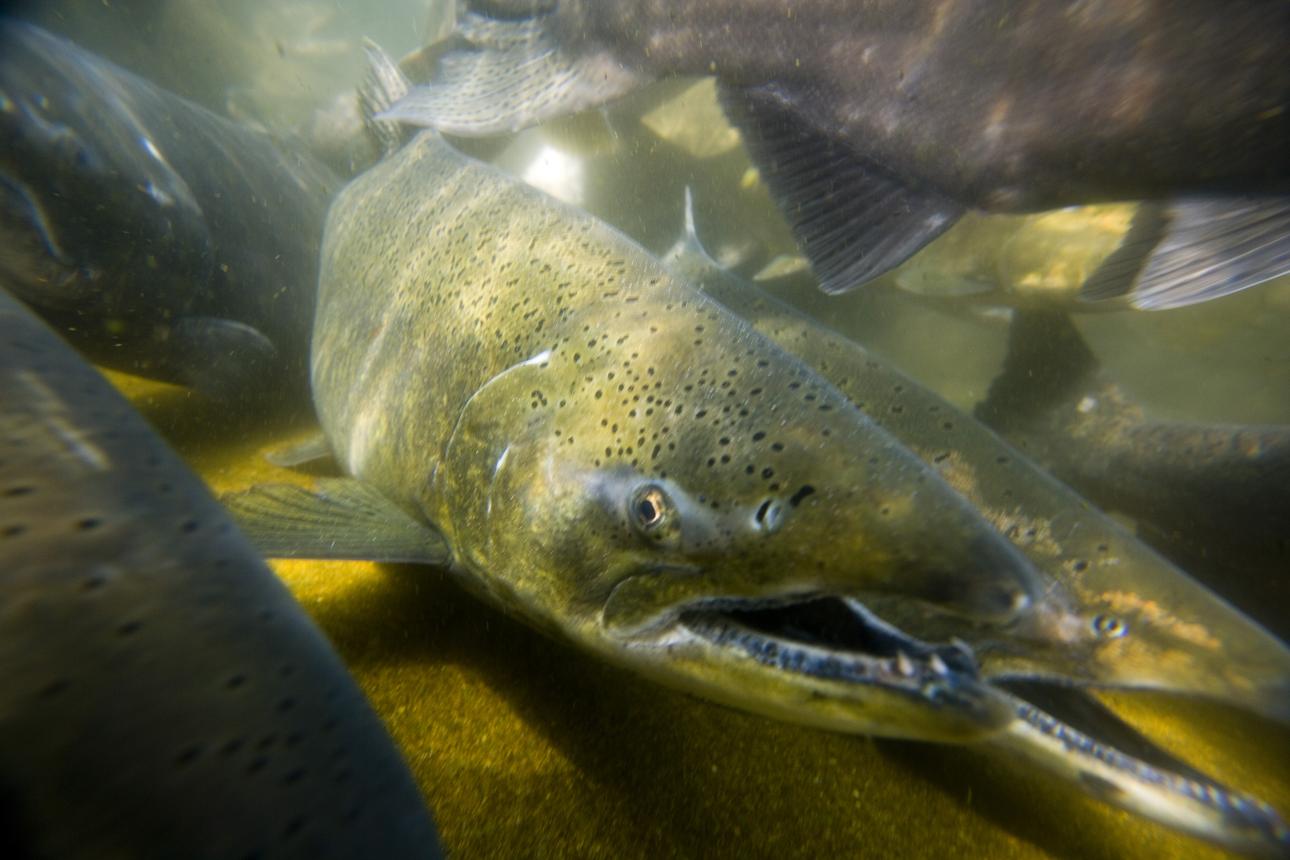
If there's one fish worth paying attention to at Bonneville Dam this October, it's the coho salmon.
These aggressive, hard-fighting salmon are continuing their fall migration, and the latest numbers are impressive.
On October 9, 1,203 adult coho passed Bonneville Dam. That number climbed to 1,556 on October 10 before dropping to 1,222 on October 11.
Even on October 13, another 692 adult coho made it through the fish ladders.
Between October 7 and October 13, 6,985 adult coho salmon passed Bonneville Dam, along with 1,144 jack coho. (Fish Passage Center)
That's a considerable amount of fish moving upriver this late in the season.
Where Are These Coho Going?
Coho passing Bonneville Dam are headed toward upstream tributaries and spawning areas throughout the Columbia River watershed.
Unlike Chinook, which can travel extraordinary distances into the upper Columbia and Snake River systems, many coho return to tributaries where suitable spawning habitat exists.
Cooler autumn temperatures and fall rainfall can influence how quickly these fish move.
When tributaries begin receiving fresh water, migrating coho may leave the mainstem Columbia and push toward their spawning destinations.
For fishermen, that makes October an interesting month.
Coho are known for striking spinners, twitching jigs, plugs, and other presentations, particularly when conditions are favorable.
Just remember that fish passage at Bonneville doesn't automatically mean fishing is open in every nearby river or tributary.
Steelhead: Still Moving, But the Numbers Tell a Different Story

Steelhead are another species worth watching during October.
Although most anglers associate steelhead with winter fishing on Oregon's coastal rivers, the Columbia River supports substantial summer steelhead migrations.
These fish enter freshwater months before spawning and may travel considerable distances into the Columbia and Snake River watersheds.
However, the 2026 steelhead numbers deserve attention.
As of October 13, Bonneville Dam had recorded 62,955 steelhead for the year.
For comparison, the DART fish passage database reported that the 2026 total through October 12 was only about 40% of the count recorded by the same date in 2025.
That's a significant difference. (Elvis)
Only 18 steelhead passed Bonneville Dam on October 13, including four unclipped fish.
What Does This Mean for Steelhead Fishing?
The lower counts suggest anglers should approach the remaining fall steelhead season with realistic expectations.
Fish are still moving, but the migration is considerably smaller than last year's.
Steelhead conservation is especially important during periods of reduced returns. Anglers should carefully review current restrictions, release requirements, and any emergency closures before targeting these fish.
How October River Conditions Affect Salmon Migration
One of the most interesting things about fall fishing on the Columbia River is how quickly conditions can change.
During September, warmer water temperatures can influence salmon behavior, particularly during periods of low river flow.
As October progresses, shorter days and cooler weather generally help lower river temperatures.
That cooling trend can make conditions more favorable for migrating salmon.
Rainfall also plays an important role, especially in tributaries.
When fresh rain increases flows in rivers connected to the Columbia, salmon may respond by moving into those systems.
But there's a catch.
Heavy rainfall can also turn productive fishing water muddy, increase current speeds, and make bank fishing difficult.
For anglers, the sweet spot is often when a river begins dropping and clearing after a good rain.
On the mainstem Columbia, dam operations, water releases, and changing current patterns can influence where fish travel and how anglers present their gear.
Watching the water is just as important as watching the fish counts.
Where Are Anglers Catching Fish Around Bonneville?

The latest Oregon Department of Fish and Wildlife fishing report provides some insight into what's happening around Bonneville and the lower Columbia River.
In its October 8 report, ODFW documented fishing activity throughout the Columbia River.
In the Bonneville Pool, anglers checked during the reporting period had kept two adult coho and three jack coho. They also released 74 Chinook and 14 jack Chinook.
Farther downstream, in the Troutdale area, anglers checked had kept 54 adult coho and 12 jack coho, while releasing 74 adult Chinook.
The Gorge section also produced coho catches, although Chinook were being released.
These numbers demonstrate that fish are present throughout the system, but they also highlight the importance of understanding which species anglers can legally retain. (Oregon Department of Fish & Wildlife)
For fishermen considering a trip, several stretches deserve attention.
The Columbia River Gorge: This section offers access to migrating salmon moving toward Bonneville Dam. Strong currents, deep water, and changing flows make fishing challenging, but the area remains important for understanding salmon movement.
The Bonneville Pool: Located immediately upstream of the dam, this reservoir receives salmon that have successfully passed through the fish ladders. Fishing opportunities depend on current regulations and seasonal restrictions.
The Lower Columbia near Troutdale: This section has continued producing coho catches during October, according to ODFW's recent report.
The Dalles Pool: Farther upstream, fish continue moving through the Columbia River system. ODFW's October 8 report documented both coho retention and Chinook releases in this area.
These are general fishing areas rather than a list of currently open salmon fisheries. Always verify the rules for the exact stretch of river before heading out.
What About Sockeye, Shad, and Other Fish?
Although salmon and steelhead dominate the conversation this time of year, Bonneville Dam also provides passage for several other species.
Sockeye salmon generally migrate through the Columbia River much earlier in the year.
American shad also make their major upstream migration during late spring and summer.
By October, those migrations are largely finished.
The October 13 fish counts recorded no sockeye or shad passage, although shad counts were listed as unavailable rather than zero.
Pacific lamprey also use the Columbia River system, and Bonneville Dam tracks their movement through its fish passage facilities.
The 2026 year-to-date counts include more than 13,000 lamprey recorded through the monitored passage categories. (Fish Passage Center)
What Can Fishermen Expect During the Rest of October?
Based on the latest counts, coho salmon appear to offer the most substantial ongoing salmon migration through Bonneville Dam.
Fall Chinook continue moving, but their numbers have declined considerably since earlier in the season.
Steelhead are still present, although the 2026 return is running well below last year's numbers.
As October continues, anglers should expect the daily counts to fluctuate.
A few days of favorable water conditions can produce noticeable increases in fish passage, while changing temperatures and flows may slow movement.
For fishermen watching the Columbia River, it's worth checking the counts every morning.
A sudden increase in salmon passage can help reveal when fish are actively moving through the system, although it doesn't guarantee that fishing will improve in any particular location.
Before You Fish: Check the Regulations
Columbia River salmon and steelhead regulations can change during the season, sometimes with very little notice.
As of ODFW's October 8 fishing report, anglers were releasing substantial numbers of Chinook in several Columbia River sections while retaining coho in areas where permitted.
Before fishing, check the latest emergency regulations, retention rules, and fishing boundaries.
You can find current information through:
Oregon Department of Fish and Wildlife – Columbia River Fishing Report
Fish Passage Center – Bonneville Dam Daily Fish Counts
Columbia River DART – Adult Fish Passage Counts
The Fall Run Isn't Over Yet!
There's something pretty incredible about watching the Bonneville Dam fish counts during October.
Every number represents another fish that has traveled from the Pacific Ocean, battled the Columbia River's current, and continued toward its spawning destination.
Some of these salmon have already traveled hundreds of miles, and others still have a long way to go.
For fishermen, the latest numbers offer both excitement and perspective.
The biggest Chinook migration has largely passed, but hundreds of fall Chinook are still moving through Bonneville each day. Coho continue arriving in impressive numbers, and steelhead are still making their way upriver despite a difficult return year.
As of October 13, 2026, more than 1,200 Chinook and coho salmon passed Bonneville Dam in a single day.
That's proof that there's still plenty happening beneath the surface of the Columbia River this fall.
And whether you're planning your next fishing trip or simply keeping track of the salmon migration, Bonneville Dam remains one of the best places to see what's happening with the Columbia River's legendary fish runs.
Fish passage information current through October 13, 2026. Fishing conditions and regulations may change.