Fat-Tire Biking Bandon Beach: Oregon's Most Underrated Coastal Adventure
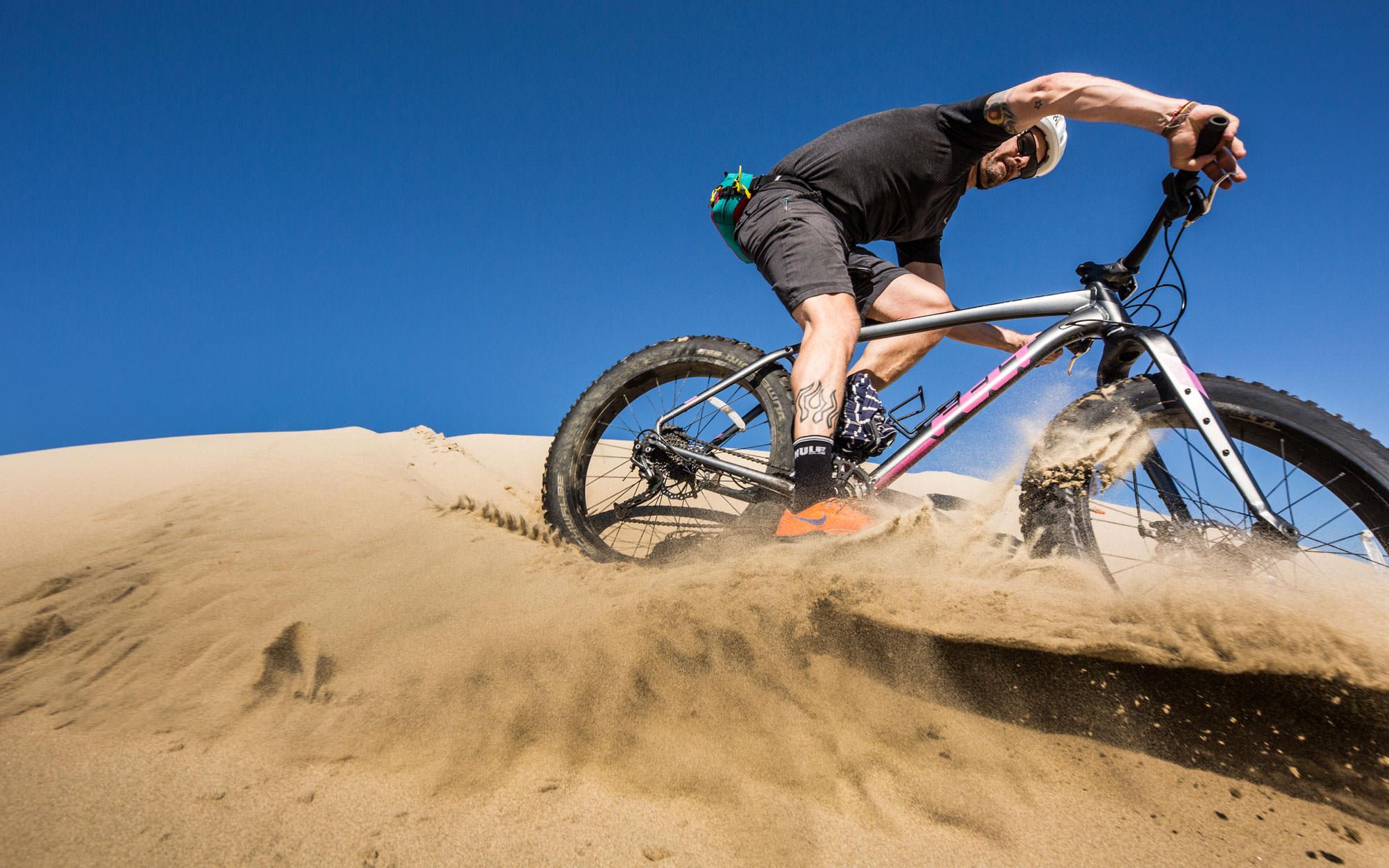
If you've ever driven along the Oregon Coast and wished you could leave the road behind, fat-tire biking might be the adventure you've been looking for. Unlike traditional cycling, fat bikes are built with oversized tires that glide across firm sand, opening up miles of coastline that are impossible to experience by car. One of the best places to try it is Bandon Beach, where towering sea stacks, wide-open beaches, and endless ocean views create an unforgettable ride.
Why Bandon Is Perfect for Fat Biking
Bandon's beaches are broad, scenic, and relatively flat during low tide, making them ideal for riders of nearly every skill level. Instead of weaving through traffic or climbing steep hills, you'll cruise along the shoreline with nothing but crashing waves to one side and dramatic rock formations to the other.
As you pedal across the hard-packed sand, you'll pass:
- Massive sea stacks rising from the Pacific
- Colorful tide pools during low tide
- Driftwood sculptures shaped by winter storms
- Harbor seals resting offshore
- Pelicans soaring just above the waves
Every few hundred yards feels like another postcard.
Travel Oregon and the Oregon Coast Visitors Association both highlight Bandon as one of the premier fat-bike destinations in the state because of its long stretches of rideable beach and spectacular scenery.
The Best Time to Ride
Timing is everything.
The best rides happen one to two hours before low tide, when the sand is firm and there is plenty of room between the surf and the cliffs. High tide can leave sections of the beach underwater, limiting where you can safely ride.
Morning rides are especially memorable because you'll often have large stretches of beach almost entirely to yourself.
What Makes Fat Bikes Different?
Fat bikes use tires that are around four inches wide—more than double the width of a standard mountain bike tire. The extra surface area spreads your weight across the sand, allowing the bike to "float" instead of sinking.
They're also surprisingly comfortable. The large tires absorb bumps, shells, and uneven terrain, creating a smooth ride even on rugged beaches.
Wildlife Along the Ride
One of the biggest surprises is how much wildlife you'll encounter.
Depending on the season you may spot:
- Harbor seals
- Brown pelicans
- Great blue herons
- Black oystercatchers
- Bald eagles
- Migrating gray whales offshore during migration seasons
Bring binoculars if you have them—you'll likely stop often.
What to Bring
A successful beach ride doesn't require much gear, but a few essentials make a big difference.
- Water
- Windproof jacket
- Sunglasses
- Sunscreen
- Camera
- Small backpack
- Tide chart
- Bike repair kit if you're bringing your own bike
After your ride, rinse your bike with fresh water to remove salt and sand, which can shorten the life of the drivetrain.
Photography Opportunities
Bandon is one of Oregon's most photographed coastlines for good reason.
Look for:
- Sea stacks reflected in wet sand
- Sunset silhouettes
- Waves wrapping around giant rock formations
- Shorebirds running along the surf
- Long exposures of incoming waves
Golden hour transforms the beach into a landscape of glowing orange light and mirror-like reflections.
A Different Way to Experience the Coast
Most visitors see the Oregon Coast from scenic pullouts. Riding a fat bike lets you become part of the landscape instead of simply looking at it.
The sound of tires rolling across wet sand, salty ocean air, and uninterrupted views make every mile feel peaceful and adventurous. It's an activity that combines sightseeing, exercise, wildlife watching, and photography into one unforgettable experience.