Free Beach Camping on the Oregon Coast: Where You Can Sleep Beside the Pacific
Waking up to the sound of crashing waves, unzipping your tent, and watching the morning fog drift across the Pacific Ocean is absolutley priceless. While many people assume every beach on the Oregon Coast requires a campground reservation, there are still a handful of places where adventurous travelers can legally camp for free—if they know where to look.
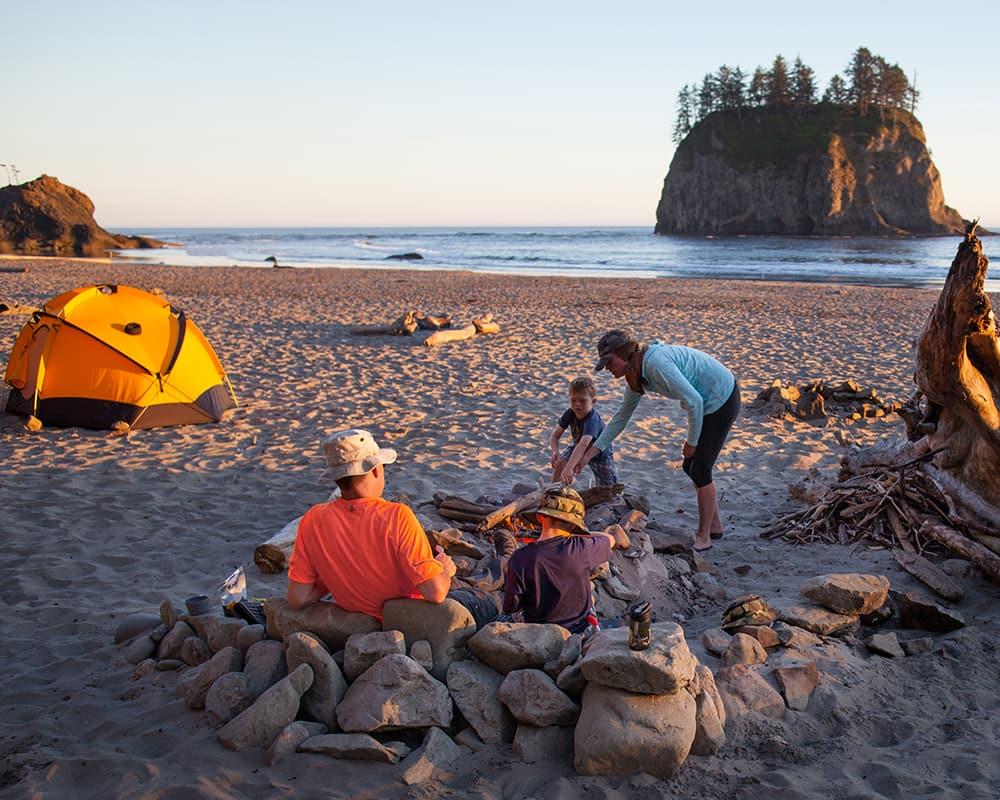
Unlike many coastal states, Oregon's beaches belong to everyone thanks to the Oregon Beach Bill, which guarantees public access along the state's sandy shoreline. However, public access doesn't automatically mean camping is allowed. Overnight camping is prohibited in most cities, state parks, and many popular beaches. The beaches where camping is permitted tend to be remote, require a hike to reach, and offer very few amenities. That's exactly what makes them so special.
1. Remote Beaches South of Gold Beach
Southern Oregon offers some of the state's best opportunities for primitive beach camping. Several isolated stretches between Gold Beach and Brookings allow overnight camping as long as you remain outside city limits, avoid state park property, and follow all posted regulations.
These beaches aren't drive-up campsites. Expect to carry your gear, pack out every piece of trash, and leave no trace behind. In return, you'll often have miles of coastline almost entirely to yourself.
Highlights include:
- Endless sunsets over the Pacific
- Excellent beachcombing
- Tide pools
- Sea stack photography
- Opportunities to spot harbor seals, whales during migration, and bald eagles
Because these beaches are remote, be prepared for changing weather, limited cell service, and strong surf.
2. The Cape Sebastian Area
One of the most scenic sections of the southern coast lies near Cape Sebastian. Portions of the surrounding coastline outside protected park areas have long been popular with backpackers looking for a quiet overnight experience.
This area offers dramatic cliffs, offshore sea stacks, and some of the darkest night skies on the Oregon Coast. On clear evenings the stars can be spectacular, and the only sounds you'll hear are wind and surf.
Campers should always verify they are outside park boundaries before setting up camp.
3. Oregon Dunes Backcountry Beaches
Although not traditional beach camping, portions of the Oregon Dunes National Recreation Area provide an incredible coastal camping experience where the dunes meet the Pacific.
Some dispersed camping areas near the dunes are free or low-cost depending on location, while designated sand camping areas require reservations. Hiking over the dunes to the ocean creates one of the most unique camping experiences anywhere in Oregon.
Imagine miles of rolling sand, wind-sculpted landscapes, and the Pacific stretching endlessly to the horizon.
What to Expect
Free beach camping isn't like staying in an established campground.
There are usually:
- No bathrooms
- No drinking water
- No picnic tables
- No fire rings
- No garbage service
- No cell reception
You'll need to be completely self-sufficient.
Bring:
- Plenty of drinking water
- Warm sleeping gear
- Waterproof clothing
- A headlamp
- Tide charts
- Food stored securely
- A small shovel or waste bags if required
- Trash bags to pack everything back out
Beach Camping Safety
The Oregon Coast is beautiful, but it demands respect.
Never camp below the high-tide line. The ocean can rise dramatically overnight, especially during king tides or storms.
Avoid sleeping beneath unstable cliffs where rocks may fall.
Watch sneaker waves year-round. These powerful waves can rush much farther up the beach than expected without warning.
Keep fires legal and follow all seasonal fire restrictions. During summer, many beaches prohibit campfires altogether due to wildfire danger.
Wind can also become surprisingly strong overnight. Secure your tent well and avoid camping directly in open sand if heavy weather is expected.
Leave No Trace
The beaches that still allow primitive camping remain open because visitors take care of them.
Follow these simple principles:
- Pack out every piece of garbage.
- Leave driftwood where you found it.
- Respect wildlife and nesting shorebirds.
- Keep camps small and temporary.
- Bury human waste only where permitted, or pack it out when required.
- Leave the beach looking as though nobody was ever there.
Nearby Free Alternatives
If beach camping isn't permitted where you'd like to stay, don't give up. Many nearby Oregon State Forest and National Forest roads offer free dispersed camping just a short drive inland. You can spend the day exploring the coast and enjoy a quiet forest campsite at night without paying campground fees. Oregon State Forests allow dispersed camping in many areas at no cost, provided visitors follow stay limits and fire regulations.
Free beach camping on the Oregon Coast isn't about luxury—it's about simplicity.
There are no hookups, reservations, or crowded campgrounds. Instead, you'll fall asleep listening to the waves, wake to the cries of gulls overhead, and experience a side of the Oregon Coast that many visitors never see.
The key is knowing where camping is legal, respecting the coastline, and leaving every beach cleaner than you found it. When done responsibly, a night beneath Oregon's coastal stars may become one of your favorite outdoor memories.