Hiking to the Hidden WWII Bunkers at Cape Blanco State Park
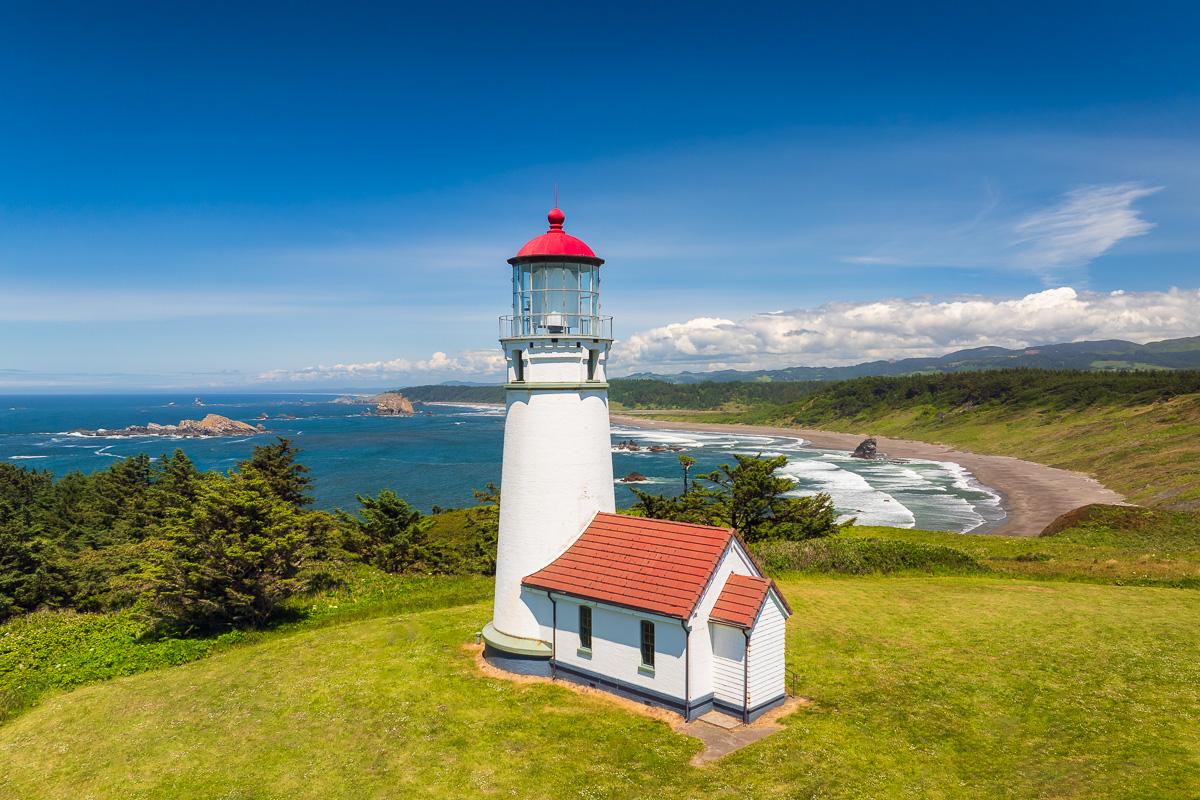
Most travelers visit Cape Blanco State Park for its iconic lighthouse or sweeping ocean views. Few realize that hidden among the windswept spruce trees and rugged cliffs are the remains of a military outpost built to defend the Oregon Coast during World War II. Hiking to these forgotten bunkers is one of the most unique—and least talked about—adventures on the Southern Oregon Coast.
Unlike a typical coastal hike, this one combines breathtaking scenery with a fascinating piece of Oregon history.
Oregon's Westernmost Point
Cape Blanco isn't just another headland. It's the westernmost point in Oregon, extending farther into the Pacific than any other location in the state. Because of its strategic position, the U.S. military considered it an important observation point during World War II.
Military personnel watched these waters for enemy ships and submarines, keeping a constant eye on the horizon during a time when attacks on the West Coast were considered a real possibility.
Today, the soldiers are gone, but parts of their history remain hidden in the forest.
The Hike
The adventure begins near the Cape Blanco Lighthouse parking area.
Instead of heading directly to the lighthouse, follow the coastal trail that winds through twisted Sitka spruce shaped by decades of relentless Pacific winds. The trail is relatively easy, with only gentle elevation changes, making it suitable for most hikers.
Within minutes, the forest opens to dramatic cliffside overlooks where waves crash hundreds of feet below.
Keep your camera ready—this section of coastline is one of the most photogenic in Oregon.
Discovering the Bunkers
Tucked quietly away from the main viewpoints are several aging concrete structures that once served as observation and defensive positions.
The bunkers are weathered, covered with moss, and slowly being reclaimed by the forest. Standing inside one, it's easy to imagine soldiers scanning the horizon through narrow openings while dense coastal fog drifted across the cliffs.
The structures aren't elaborate, but their simplicity tells an important story. They were built for function, not comfort.
If walls could talk, these bunkers would have decades of stories to tell.
Wildlife Along the Way
The hike offers much more than history.
Cape Blanco is home to:
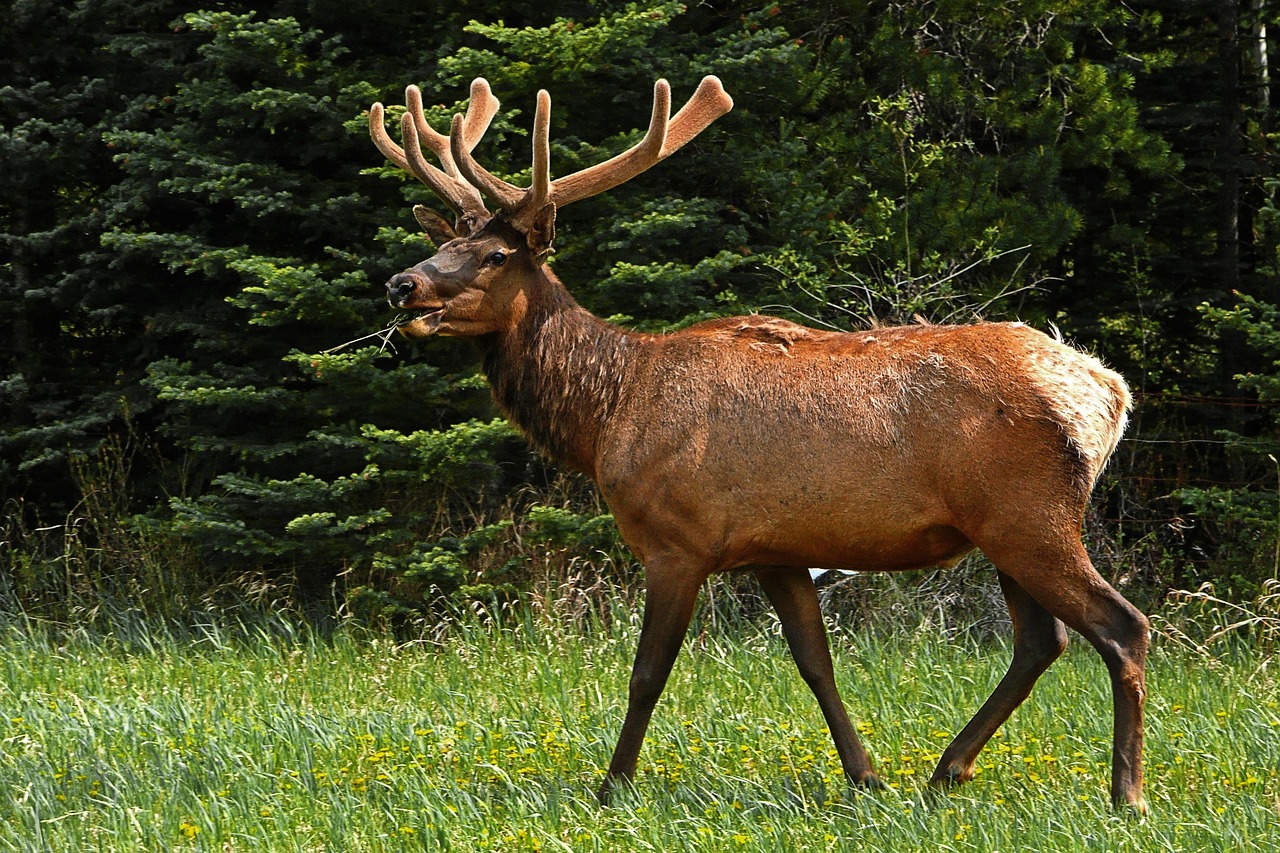
- Black-tailed deer grazing near the campground
- Harbor seals resting on offshore rocks
- Gray whales during migration seasons
- Bald eagles soaring above the cliffs
- Peregrine falcons hunting along the shoreline
Spring and summer also bring colorful wildflowers that bloom across the coastal prairie.
The Best Time to Visit
Early morning offers the calmest experience.
Fog often blankets the cliffs, giving the landscape an almost mysterious atmosphere. As the sun rises, the lighthouse slowly emerges from the mist while the Pacific stretches endlessly into the distance.
Fall is another excellent season, with fewer visitors and dramatic sunsets that light up the cliffs in shades of orange and gold.
What to Bring
Because Cape Blanco creates its own weather, come prepared.
Pack:
- Waterproof jacket
- Hiking shoes with good traction
- Binoculars
- Camera
- Drinking water
- Windproof layers
Even on sunny summer days, strong coastal winds are common.
Respect the History
While exploring, remember these bunkers are historic structures.
Avoid climbing on unstable concrete, leave graffiti behind, and help preserve the site by packing out everything you bring.
History survives because visitors choose to protect it.
Why This Hike Deserves More Attention
Cape Blanco's hidden military bunkers are easy to miss if you don't know they're there, but that's part of their charm. This isn't a crowded tourist attraction with signs pointing the way—it's a quiet reminder of a chapter in Oregon's past, surrounded by one of the state's most spectacular coastal landscapes.
If you're looking for an Oregon Coast adventure that combines history, hiking, wildlife, and unforgettable ocean views, skip the busiest trails and spend a few hours exploring Cape Blanco. You may come for the lighthouse, but you'll leave talking about the hidden bunkers tucked away among the windswept trees.