Late-Fall Chum Salmon Run: One of the Oregon Coast’s Wildest November Events
By late fall, most people assume fishing season on the Oregon Coast is winding down.
The summer crowds are gone. Rain pounds the coastal forests. Rivers rise, leaves collect along the banks, and daylight disappears surprisingly early.
But underneath that cold November water, something incredible is happening.
Chum salmon are coming home.
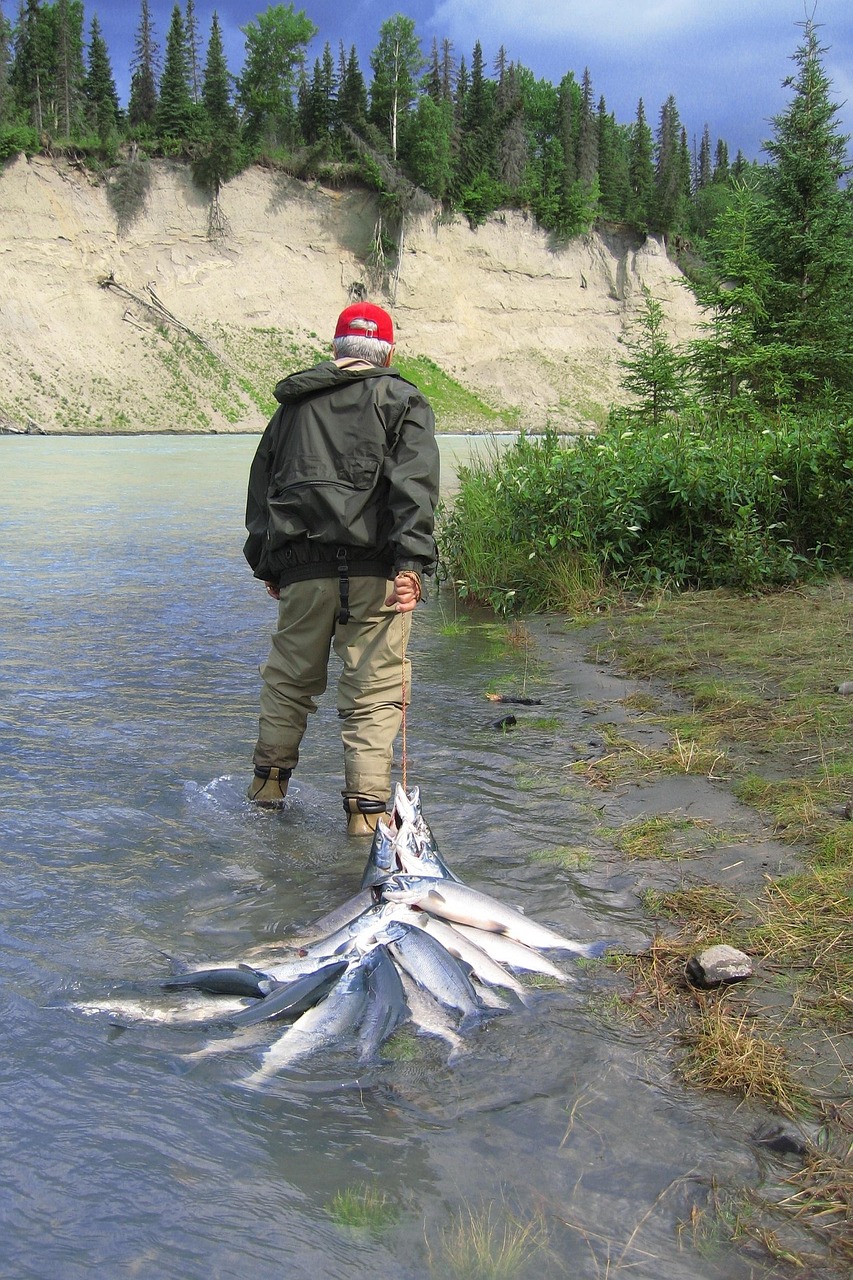
Every late fall, these powerful salmon return from the Pacific Ocean and push into a handful of North Oregon Coast rivers and creeks to spawn. It is one of the coast's great seasonal wildlife events—and one that many visitors never even realize is happening.
A Salmon Run Made for November
Chum salmon are perfectly suited to the gloomy days of late fall.
While other salmon runs may begin earlier in the season, chum generally arrive late. Their appearance often coincides with November rainstorms that raise coastal streams and provide enough water for fish to move upstream.
And these aren't always subtle fish.
Mature chum salmon can develop dramatic spawning colors, with males taking on dark vertical markings and an almost prehistoric appearance.
Watching one push through shallow current makes you appreciate just how difficult the final miles of a salmon's journey can be.
These fish have survived years in the Pacific only to return to freshwater and finish the cycle where another generation can begin.
The Kilchis River Is the Place I'd Go
One of the best-known places to experience this late-fall phenomenon is the Kilchis River near Tillamook.
The river begins in the heavily forested Coast Range before eventually entering Tillamook Bay.
During late fall, chum salmon can enter the system as part of their spawning migration.
Instead of treating this simply as another fishing trip, I like the idea of experiencing it as a wildlife adventure.
Put on waterproof boots, grab a rain jacket and binoculars, and explore from legal public access areas while watching the river carefully.
At first, you may see nothing.
Then you'll notice a disturbance in the shallows.
A tail.
A dark shape.
Suddenly a salmon surges upstream through water that barely seems deep enough to cover its back.
That's when the river comes alive.
Look for the Shallow Gravel
Finding spawning salmon requires slowing down.
Look for sections of relatively shallow water with gravel bottoms.
Female salmon use their tails to move gravel and create nests called redds, where eggs are deposited. Males compete for spawning opportunities nearby.
From a respectful distance, you may see salmon holding against the current, chasing one another or suddenly accelerating through shallow riffles.
Don't walk through spawning areas.
Even after the adults disappear, their eggs may remain buried beneath the gravel. What looks like an ordinary patch of river bottom could be holding the next generation of salmon.
Rain Makes the Adventure Better
Normally, people hope for sunshine on an Oregon Coast trip.
This is one adventure where I almost want rain.
November rain transforms the Coast Range.
Moss turns brilliant green. Water drips from enormous ferns. Fog settles between Douglas fir and Sitka spruce, and little streams that were barely moving in September suddenly come roaring back to life.
Everything smells like wet leaves, cedar, mud and forest.
Then somewhere beneath that gray water are salmon that have traveled hundreds or even thousands of miles through the Pacific.
It's about as Oregon as an outdoor experience can get.
Make Tillamook Your Base Camp
A chum salmon adventure also gives you a great excuse to spend a late-fall weekend around Tillamook.
Explore the river country in the morning, then head toward Tillamook Bay and the Three Capes area later in the day.
November can bring dramatic ocean conditions, migrating wildlife and almost empty beaches.
If the weather turns nasty, that's part of the adventure.
Find somewhere warm, grab lunch and wait for the next break in the clouds.
Late fall isn't about following a perfect itinerary. It's about watching the weather and taking advantage of whatever opportunity the coast gives you.
This Isn't Just About Catching Fish
That's what makes the chum salmon run different from an ordinary fishing story.
You don't need a fishing rod to appreciate it.
You're witnessing the final chapter of one of the most remarkable migrations in the Pacific Northwest.
Some of these salmon have spent years traveling through the ocean. Somehow, they eventually navigate back toward the same coastal waters connected to where their lives began.
Then the cycle starts all over again.
Eggs remain beneath the gravel through winter. Young salmon eventually emerge and begin their own journey toward the ocean.
Years later, some will return.
Respect the Run
Late-fall salmon runs are also a reminder that coastal rivers are incredibly sensitive ecosystems.
Observe spawning fish from a distance. Keep dogs away from spawning areas, avoid trampling gravel beds and never disturb salmon simply to get a photograph.
And if you're planning to fish anywhere in the Tillamook area, check the current Oregon Department of Fish and Wildlife regulations first. Seasons, open areas and species rules can differ significantly between waterways and can change.
Sometimes the best way to experience a salmon run is simply to watch.
One of Late Fall's Hidden Oregon Coast Adventures
People travel to the Oregon Coast in November for storms, giant waves and quiet beaches.
But I'd argue that some of the most interesting action is happening inland.
Follow one of those rain-swollen rivers into the Coast Range and you may discover an entirely different version of the Oregon Coast.
Just rain dripping through the forest, cold water rushing over gravel and wild salmon fighting their way upstream.
For a few weeks each late fall, the chum salmon run becomes one of the Oregon Coast's greatest natural events.