November on the Necanicum: Watching the Fall Salmon Return to Seaside
By late fall, Seaside, Oregon feels like a different town.
The summer crowds have faded. Cold rain sweeps across the beach, leaves cover the riverbanks, and the surrounding Coast Range disappears behind low gray clouds. Most visitors are thinking about warm coffee, storm watching and quiet walks along the Prom.
But just a short distance from the crashing Pacific, another late-fall event is unfolding.
Salmon are returning to the Necanicum River.
Every autumn, salmon make their way from the ocean into Oregon's coastal rivers. By the time November arrives, the Necanicum and its tributaries can become fascinating places to experience the final stages of that migration.
For me, that's the kind of Oregon Coast event worth putting on a rain jacket for.
A Wild Event Happening Right Beside Town
That's what makes the Necanicum so interesting.
You don't have to travel deep into the Coast Range to experience a coastal river.
The Necanicum flows directly through Seaside before emptying into the Pacific.
Most visitors cross it without thinking much about what's happening underneath the surface.
During fall, however, that river becomes part of one of the greatest wildlife migrations in the Pacific Northwest.
Salmon that have spent years in the ocean return toward freshwater.
They aren't coming back because somebody stocked a fishing hole for tourists.
They're completing an ancient cycle.
And it's happening while people are eating breakfast, walking dogs and shopping only a short distance away.
Follow the River Away From the Ocean
I'd start this adventure near Seaside and work my way inland.
As you move away from the beach, the scenery changes quickly.
Hotels and shops disappear.
The forest closes in.
Rain drips from moss-covered branches, ferns crowd the ground and little tributaries pour down from the Coast Range.
This is where I'd slow down.
Look into clear sections of water, particularly around suitable gravel areas and quieter edges of the river.
Sometimes you'll see nothing.
Then a dark shape moves.
At first you might mistake it for a submerged branch.
Then the tail moves.
Salmon.
Seeing a Salmon in Shallow Water Changes Everything
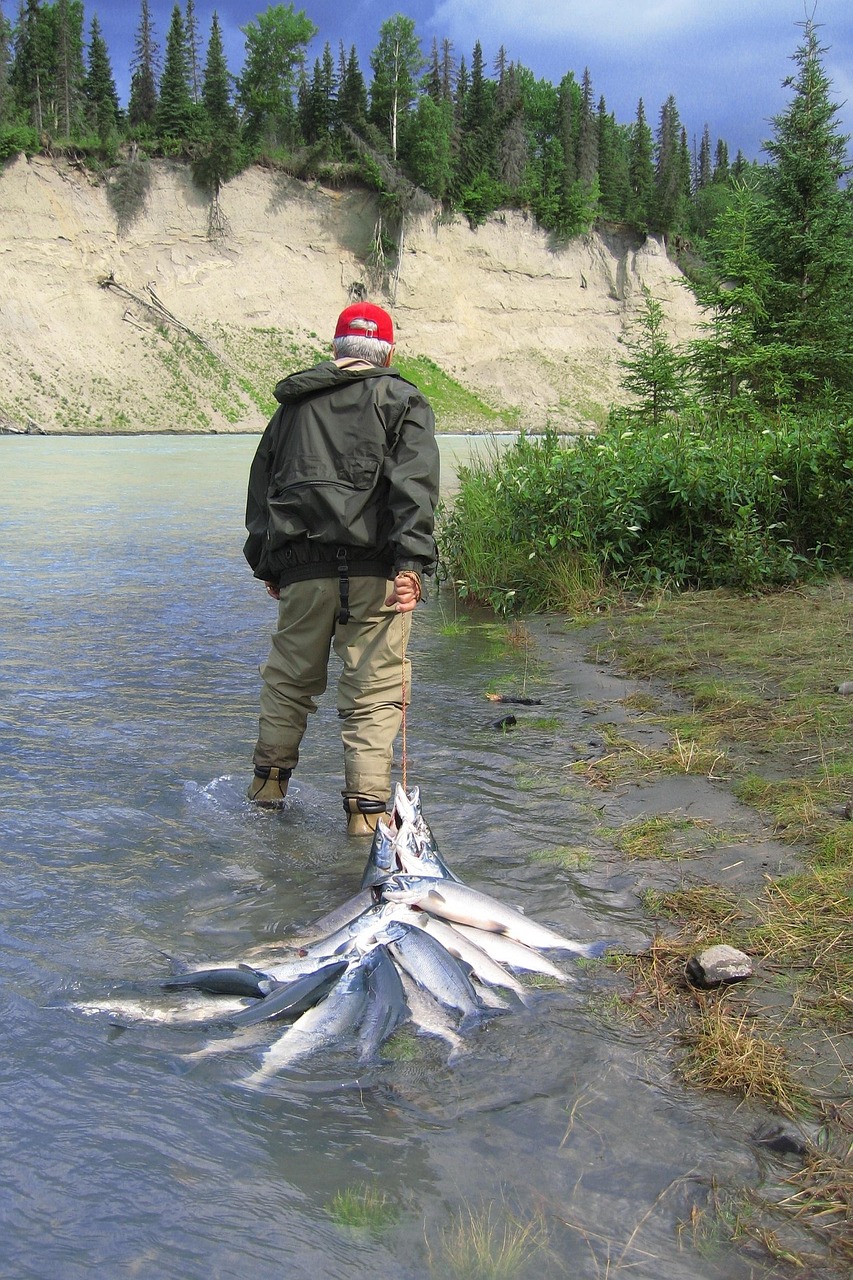
I've always thought there's a huge difference between seeing a salmon caught on a fishing rod and watching one moving naturally through a river.
In shallow water, you can see the effort.
A fish holds against the current.
It rests.
Then suddenly it surges forward.
Some returning salmon may be battered and scarred from their journey. Others can take on darker spawning colors as they move farther into freshwater.
These aren't pristine silver fish fresh from the ocean anymore.
They're completing the hardest part of their lives.
That's what makes the experience so fascinating.
Look for Redds
If you're lucky enough to find spawning activity, don't get closer.
Back up.
Female salmon create nests in suitable gravel known as redds. Eggs deposited there can remain beneath the gravel long after the adult fish have disappeared.
Walking through these areas can damage developing eggs.
Instead, find a good observation point and watch quietly from the bank.
Binoculars can be surprisingly useful even at relatively short distances.
You'll get a better view without disturbing the fish.
This Is What November Should Look Like
Forget blue skies for this trip.
I want rain.
I want mist hanging between the spruce trees.
I want muddy boots and water dripping from my jacket.
November rain is what brings Oregon's coastal rivers back to life after summer.
Small creeks swell.
Water temperatures drop.
The forest floor becomes saturated.
Mushrooms appear everywhere.
And salmon continue moving through a landscape that suddenly seems built entirely around water.
It's messy, cold and beautiful.
Then Head Back to Seaside
After spending the morning exploring the river, I'd head back toward the ocean.
That's where this adventure gets interesting.
Within a relatively short distance, you've gone from quiet salmon water surrounded by forest to one of the most recognizable beach towns in Oregon.
Grab something hot to eat.
Walk the Prom.
Then head toward the beach.
The same Pacific that those salmon left years earlier is now crashing onto the sand in front of you.
There's something pretty incredible about standing there knowing the entire journey connects.
Ocean.
Estuary.
River.
Forest.
All of it is part of the same system.
Keep the Fishing Rod at Home—Or Check the Rules
The temptation around any salmon river is naturally going to be fishing.
But wildlife viewing and fishing are two different adventures.
If you plan to fish the Necanicum or another nearby waterway, check the current Oregon Department of Fish and Wildlife regulations before heading out. Open areas, dates, species restrictions and other regulations can change.
If you're specifically searching for spawning salmon, I'd leave the rod behind.
Take a camera instead.
Add the North Coast to the Adventure
You can easily turn this into an entire late-fall weekend.
Explore Seaside in the morning.
Drive south toward Cannon Beach.
Continue toward Ecola State Park or the forests surrounding Tillamook Head if conditions are appropriate.
Or head north toward Gearhart and Fort Stevens.
November gives this entire section of coastline a completely different personality.
Instead of fighting summer traffic, you might find yourself standing on an enormous beach with hardly anyone around.
One of the Coast's Greatest Journeys
That's ultimately what makes the late-fall salmon migration so special.
It's not something created for tourists.
There aren't carnival rides.
There aren't vendors.
There isn't a stage.
Nobody turns it on at 9 a.m. and shuts it down at 5.
It happens because it has been happening for thousands of years.
Rain falls across the Coast Range.
Rivers rise.
Salmon leave the Pacific.
And somewhere beneath the dark water of the Necanicum, another fish begins pushing upstream.
So the next time you visit Seaside in November, don't spend the entire trip looking toward the ocean.
Turn around.
Follow the river inland.
One of the Oregon Coast's greatest late-fall events might be happening right beneath the surface.