The King Tides Are Coming: Witnessing the Oregon Coast at Its Wildest
There are days on the Oregon Coast when the Pacific seems to reach farther onto the land than it should.
Beaches shrink. Water pushes into bays and estuaries. Waves crash against rocks that normally sit high and dry. Familiar stretches of coastline can suddenly look completely different.
This is the world of the Oregon King Tides—one of the most fascinating natural events to experience during late fall and winter.
King tides are exceptionally high tides that occur when the gravitational alignment of the sun, moon and Earth combines with the moon's position in its orbit to produce some of the highest predictable tides of the year.
And when one arrives on an already wild Oregon Coast?
That's when things get interesting.
A Coastline That Changes Before Your Eyes
I've always been fascinated by how quickly the Oregon Coast can transform.
Visit the same beach at low tide and you might have hundreds of yards of sand to explore.
Come back during an exceptionally high tide and much of it can disappear.
Water surrounds rocks that were previously accessible. Small channels become flooded. Waves reach farther up the beach, and estuaries fill until marshes and mudflats look more like open water.
King tides give you a chance to see that transformation at its extreme.
But unlike a festival or scheduled performance, the ocean doesn't care whether you're ready.
The tide simply comes in.
Depoe Bay Is an Incredible Place to Watch
One of the places I'd consider for watching extremely high tides is Depoe Bay.
This tiny coastal town practically hangs over the Pacific.
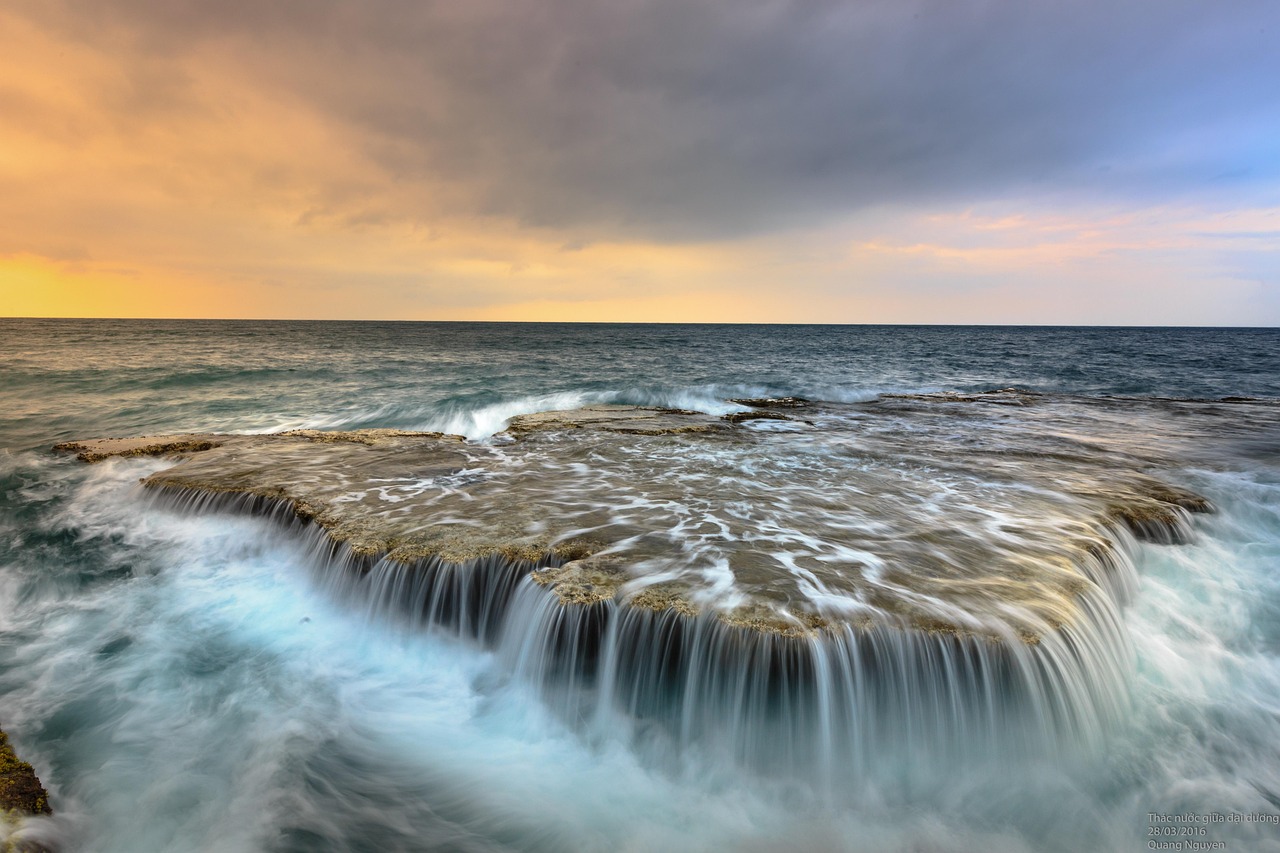
The rocky shoreline takes the full force of incoming waves, and during periods of high water and large swell, the ocean can put on an impressive show.
The key is watching from somewhere safe.
An elevated established viewpoint can give you a spectacular look at the Pacific without putting you down on the rocks where a sneaker wave can reach you.
Bring binoculars.
Bring a camera.
And bring waterproof clothing, because late fall in Depoe Bay doesn't exactly guarantee sunshine.
Yachats Turns Wild
Another incredible area is the rocky coastline around Yachats.
This is where Oregon's volcanic shoreline really shows its personality.
Water crashes into channels and cracks carved into the basalt, sometimes exploding upward in huge bursts of spray.
During exceptionally high tides, familiar sections of the shoreline can look dramatically different.
It's mesmerizing.
It's also exactly the kind of place where people can get into trouble by trying to get too close.
Don't climb onto wet rocks near the surf. Don't approach blowholes or channels for a better photograph, and don't assume a dry rock will remain dry.
Watch the spectacle from a safe distance.
The Pacific will provide plenty of drama without you standing on top of it.
Estuaries Tell an Even Bigger Story
You don't necessarily need giant crashing waves to appreciate a king tide.
In fact, some of the most interesting places to observe one are Oregon's bays and estuaries.
Places such as Yaquina Bay, Alsea Bay, Tillamook Bay and the Coos estuary can reveal just how far extremely high water reaches inland.
Mudflats disappear beneath water.
Salt marshes flood.
Channels widen.
Docks ride noticeably higher.
Low-lying areas that usually seem separated from the ocean suddenly reveal how closely connected they really are.
That's one reason king tides are more than a sightseeing opportunity.
They're also used to help people visualize how high-water events affect coastal communities.
Bring Your Camera
There's another fascinating part of Oregon's king tide season.
People photograph it.
The Oregon King Tides Project encourages participants to document extremely high water from around the coastline.
That means your late-fall adventure can become a form of citizen science.
Instead of simply snapping another sunset photograph, you can document how far the ocean reaches during one of the year's highest tides.
The most useful photographs often aren't the dramatic crashing-wave shots.
They're comparison photographs.
A boat ramp.
A marsh.
A dock.
A bridge.
A familiar stretch of shoreline.
Photographing the same location during an ordinary tide and again during a king tide can reveal an astonishing difference.
Make a Road Trip Out of It
This is where I'd have some fun.
Instead of choosing one location, I'd turn king tide day into a Highway 101 road trip.
Start around Newport.
Watch Yaquina Bay filling beneath the bridge.
Then head south toward Seal Rock and Waldport.
Check out Alsea Bay from a safe public viewpoint.
Continue toward Yachats and watch the rocky coastline from well above the surf.
By late afternoon, find an elevated viewpoint overlooking the Pacific and watch the light disappear behind the storm clouds.
You'd get to experience beaches, bays, rocky shoreline and coastal forest in a single day.
That's a pretty solid November adventure.
The Weather Can Make It Even More Dramatic
A king tide itself is predictable.
The weather isn't.
Combine unusually high astronomical tides with strong wind, large ocean swell or a coastal storm and conditions can become much more dramatic—and much more dangerous.
That's when this stops being a casual beach walk.
Check tide predictions and weather conditions before leaving home. Pay attention to beach hazard statements and high-surf warnings. Avoid jetties, logs and low beaches during dangerous conditions.
If you're wondering whether you're standing too close to the ocean, move farther back.
There's no photograph worth getting swept into the Pacific for.
Why Late Fall Is Perfect
I love the Oregon Coast in late fall because nature becomes the entertainment.
You don't necessarily need rides.
You don't need admission tickets.
You don't even need sunshine.
Sometimes all you need is a thermos of hot coffee, waterproof boots, a rain jacket and a safe viewpoint overlooking the Pacific.
King tides give you something even better—a chance to see a familiar coastline temporarily transformed.
The ocean moves farther inland.
Bays swell.
Rock formations disappear beneath the water.
Waves find places they don't normally reach.
And for a few hours, you get a glimpse of just how powerful the Pacific really is.
See the Oregon Coast Differently
Most Oregon Coast adventures are about finding something.
A waterfall.
A hiking trail.
A fishing hole.
A hidden beach.
King tide season is different.
This time, the adventure is about watching something change.
Pick a familiar coastal location. Arrive well before high tide. Find a safe elevated viewing area and watch.
Slowly, almost without noticing, you'll see the landscape begin disappearing beneath the Pacific.
Then high tide arrives.
For a brief period, you're looking at an Oregon Coast that exists for only a few hours.