The Last Green Tide: Casting for Sea-Run Coho in Oregon's Late-Summer Estuaries
There is a strange season on the Oregon Coast that many anglers drive right past without realizing it exists.
The summer crowds begin to disappear. RVs slowly trickle inland. Fog hangs longer over the bays each morning, and the first hints of autumn can be felt long before the calendar admits it. While tourists are still searching for whale spouts or beach sunsets, another group quietly launches aluminum boats before sunrise or slips down muddy banks with a spinning rod tucked under one arm.
They're chasing silver.
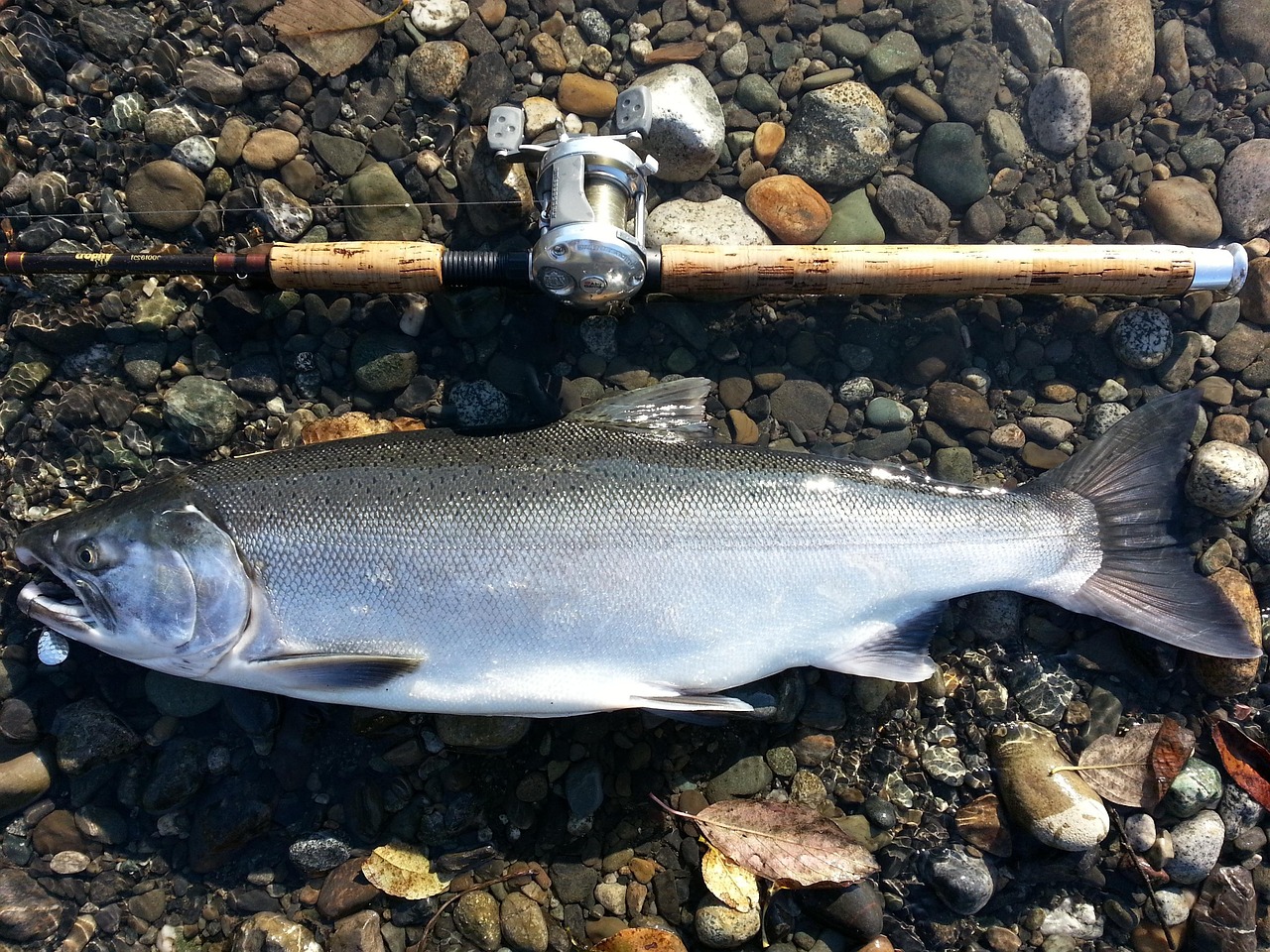
Late August into early September is one of the most exciting—and underrated—times to fish Oregon's coastal estuaries for sea-run coho salmon. These fish haven't committed to the rivers yet. They're still carrying the chrome shine of the Pacific, feeding aggressively between tidal pushes, and often fighting harder than salmon that have already begun their freshwater migration. Timing the tides becomes just as important as choosing the right lure, because incoming ocean water brings cooler temperatures, fresh baitfish, and new schools of salmon into the bays.
Reading the Bay Instead of the River
Fishing an estuary requires a different mindset than fishing a river.
Forget racing upstream to your favorite hole.
Instead, spend time watching the tide move. Every channel, oyster bed, eelgrass flat, and drop-off becomes part of a living highway that salmon use to stage before making their final push inland.
On a calm morning in places like Tillamook Bay, Yaquina Bay, Coos Bay, or the lower Nehalem, you may see nervous schools of anchovies flickering on the surface. Moments later, a silver explosion erupts beneath them as coho slash through the bait.
That's your invitation.
The best anglers don't immediately cast where the fish surfaced. They watch where the bait is drifting and where the tide is carrying it. More often than not, the salmon circle back.
Why Late Summer Coho Fight So Hard
Fresh ocean coho are built differently than river fish.
They've spent months feeding in the Pacific, packing on muscle and fat before beginning their migration. When hooked in the estuary, they still have every ounce of that ocean strength.
One second your spinner is wobbling through green water.
The next, your rod folds in half.
The fish rockets across the channel, cartwheels three feet into the air, and somehow manages to throw water in every direction. Even seasoned salmon anglers will tell you that coho have a reputation for spectacular jumps and unpredictable runs that make every hookup memorable.
The Tidal Window
Unlike river fishing, estuary success often comes down to two or three magical hours.
Many experienced anglers plan entire trips around the incoming tide.
As clean Pacific water floods into the bay, baitfish become active, temperatures stabilize, and salmon often begin moving with purpose. The first hour after high slack tide can also produce incredible action as fish reposition before the outgoing current strengthens. Later in the season, as more salmon enter the estuary, tides become slightly less critical, but understanding the movement of water remains one of the biggest advantages an angler can have.
Light Gear Makes Bigger Memories
You don't need oversized salmon equipment to enjoy this fishery.
Many anglers carry a medium-heavy spinning rod around 8½ to 9½ feet long paired with a smooth reel capable of holding quality braided line. Casting hardware allows you to cover water efficiently while staying mobile along banks and jetties.
Popular presentations include:
- Inline spinners
- Casting spoons
- Twitching jigs
- Cut-plug herring beneath a float
- Herring-imitating plugs when fish are chasing bait
The key isn't carrying dozens of lures.
It's being willing to keep moving until you intersect traveling fish.
Learning to Watch the Birds
One lesson every successful estuary angler eventually learns has nothing to do with fishing gear.
Watch the birds.
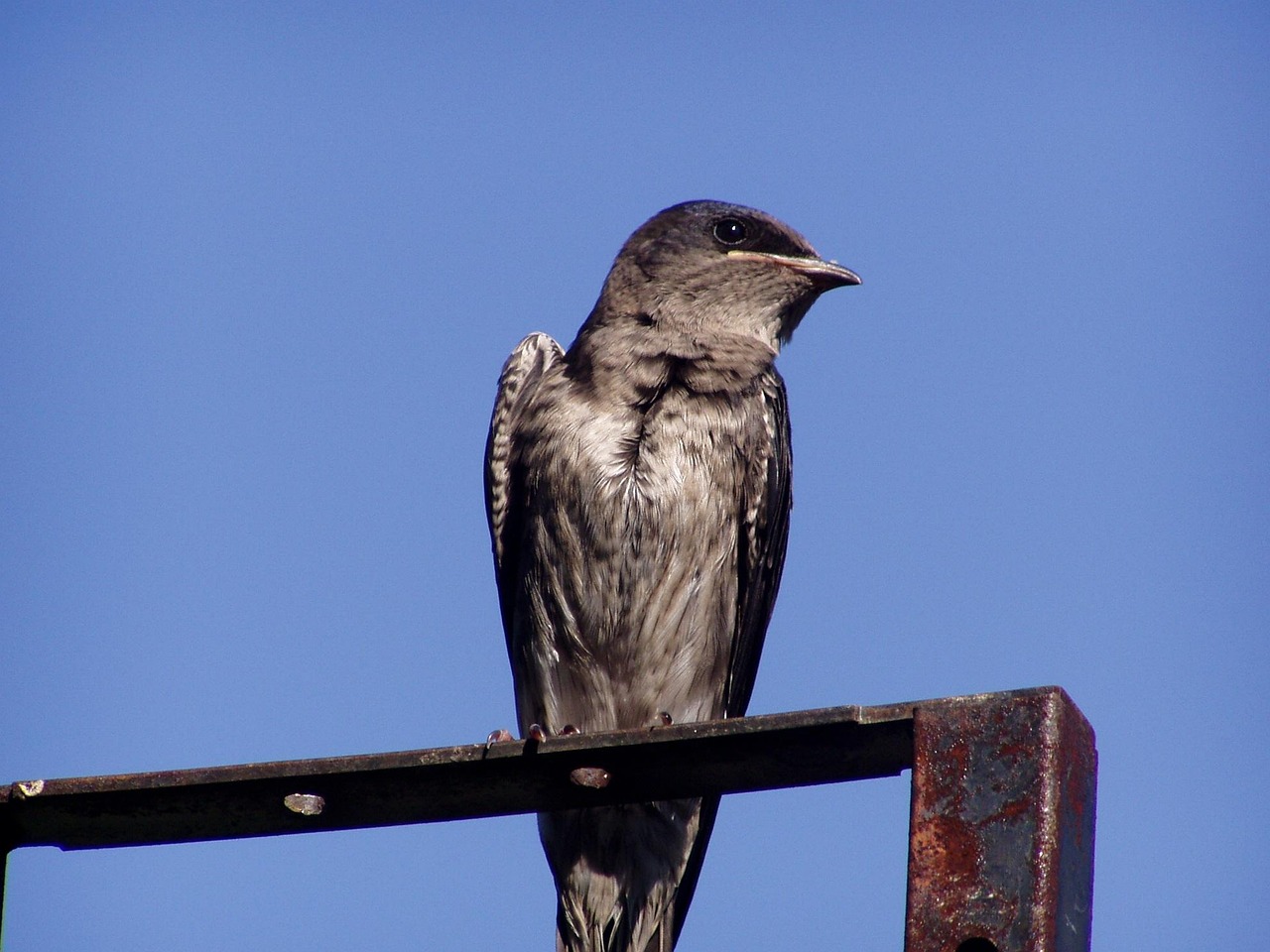
Terns diving repeatedly in one area usually indicate baitfish being pushed toward the surface.
Gulls circling low over the channel often reveal feeding activity before fish ever show themselves.
Sometimes the birds find the salmon fifteen minutes before your electronics—or your eyes—ever do.
Nature has already done the scouting.
A Fishery That Changes Every Hour
Late-summer estuary fishing rewards patience.
The same stretch of water that appears completely lifeless at noon may become electric an hour later when the tide turns.
A muddy shoreline can suddenly hold bright salmon.
A quiet channel can erupt into chaos.
It's one of the few fisheries where doing nothing but watching the water for ten minutes can completely change your strategy.
More Than Filling a Cooler
What keeps anglers returning isn't always the chance to bring home salmon.
It's the atmosphere.
The smell of salt and cedar mixing together.
Harbor seals surfacing beside your boat.
Morning fog lifting just enough to reveal distant sea stacks.
The sound of gulls replacing highway traffic.
Some mornings you'll land fish.
Some mornings you'll simply witness the Pacific Northwest at its finest.
Both are victories.
Late summer is a season balanced between two worlds—the ocean refusing to let go of summer while the rivers quietly prepare for fall. Standing on the edge of an Oregon estuary with a rod in hand places you directly between them. Every cast carries the possibility of connecting with a chrome-bright coho fresh from the Pacific, but even when the fish refuse to bite, the experience is enough to remind you why anglers keep returning to these tidal waters year after year.
Before heading out, always check the current Oregon Sport Fishing Regulations, seasonal openings, and local emergency rules, as salmon seasons and retention rules can change by location and in-season management decisions.