Watch the Ocean Come Alive: Early Fall Gray Whale Feeding Along the Oregon Coast
Summer may be winding down, but early fall brings one of the Oregon Coast's most overlooked wildlife experiences. While many travelers associate whale watching with winter migrations, September offers an entirely different opportunity—the chance to observe resident gray whales feeding just offshore before the storms of late autumn arrive.
Unlike the migrating gray whales that travel between Alaska and Baja California each year, a small population remains along the Oregon Coast throughout the summer and into early fall. These "resident whales" spend months feeding on shrimp-like mysid swarms that gather around rocky reefs and kelp-covered headlands. As tourist numbers begin to thin after Labor Day, visitors often enjoy quieter viewpoints and longer, uninterrupted whale sightings.
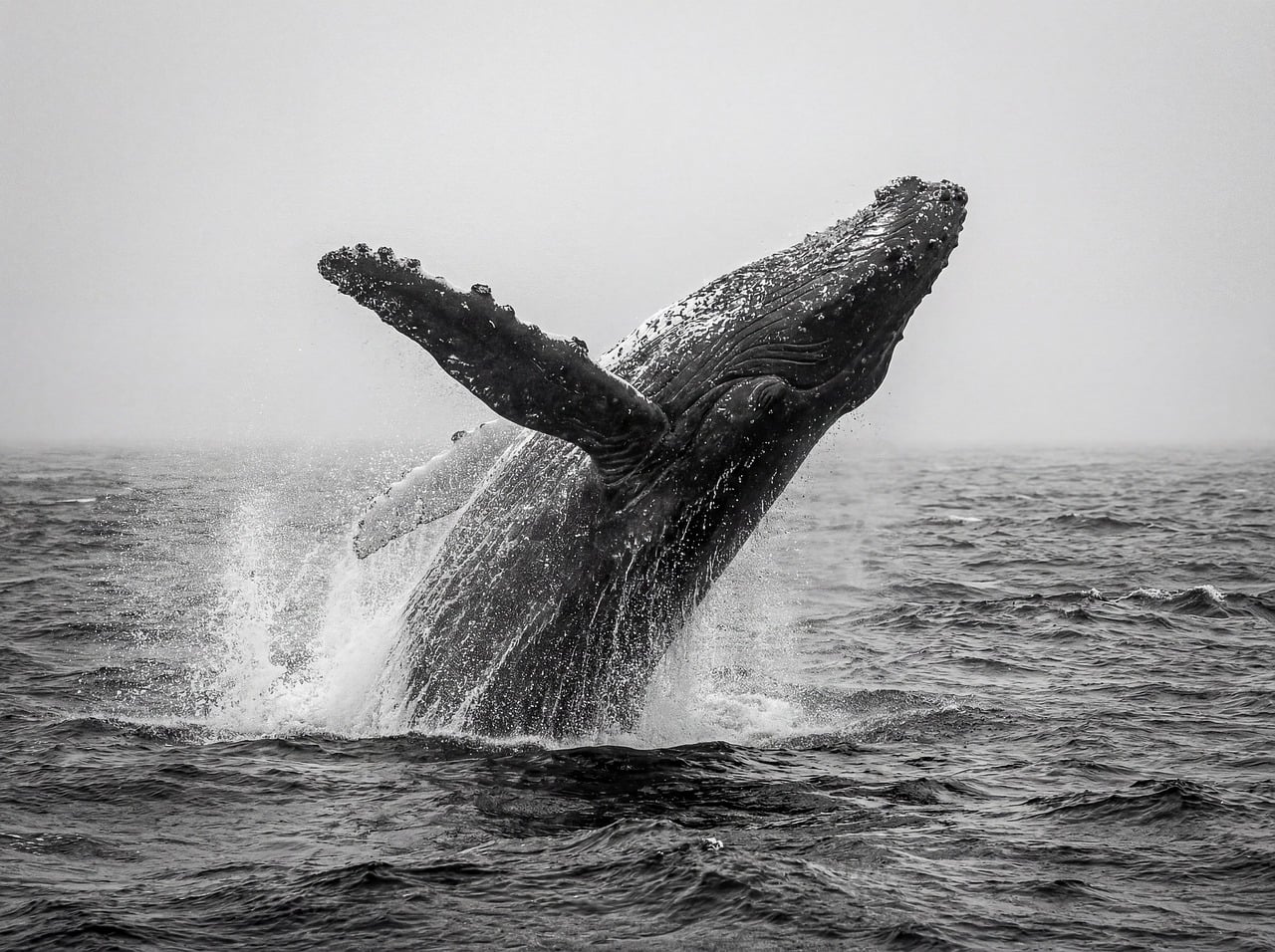
One of the best places to witness this behavior is Depoe Bay, often called the "Whale Watching Capital of the Oregon Coast." From the seawall, you can sometimes spot a whale surfacing just a few hundred yards offshore before diving to feed along underwater reefs. Patience is rewarded. Watch for a misty blow rising above the water, followed by the whale's broad gray back rolling through the surface before disappearing beneath the waves.
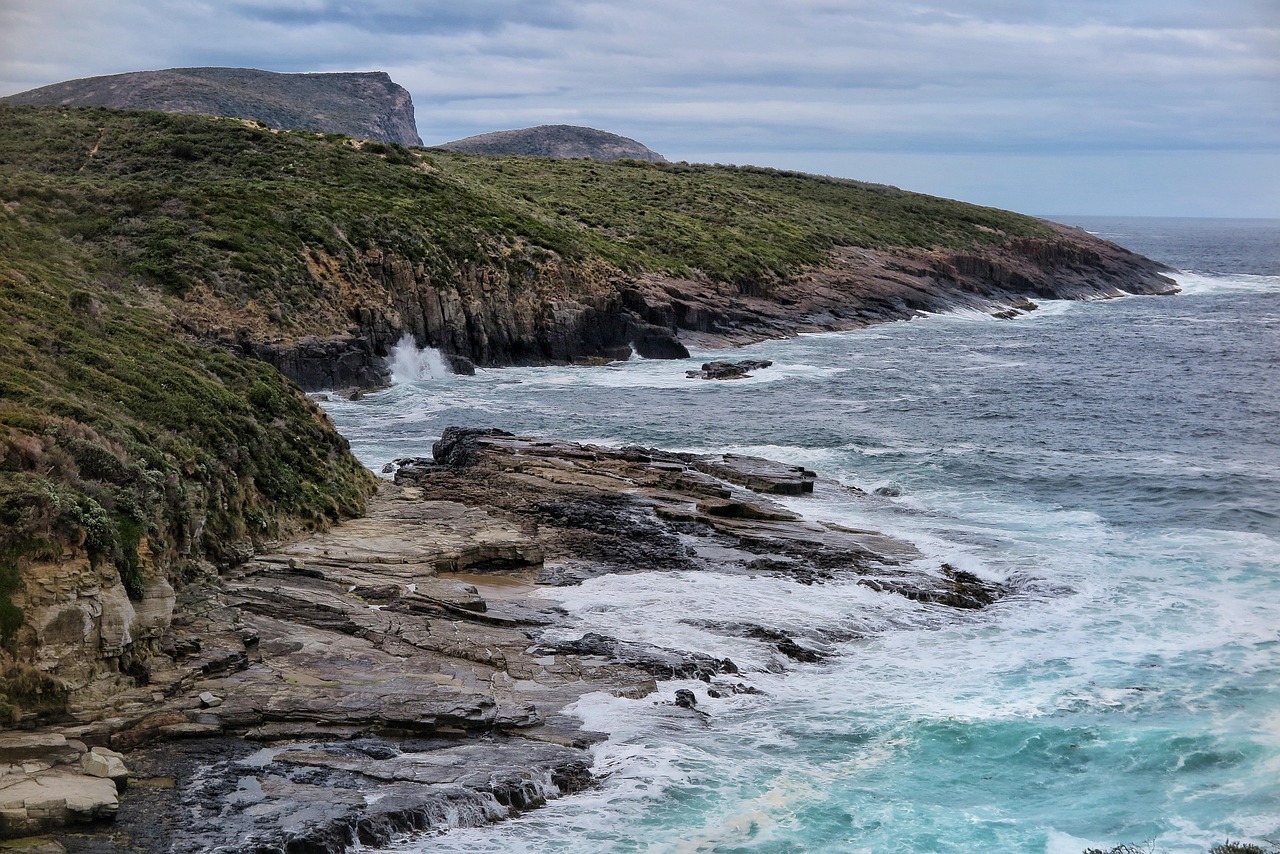
Other excellent locations include Boiler Bay State Scenic Viewpoint, Cape Foulweather, Yaquina Head Outstanding Natural Area, Cape Perpetua, and Shore Acres State Park near Coos Bay. These elevated viewpoints provide sweeping views of the Pacific and make it easier to scan the water for repeated surfacing behavior. Bringing binoculars or a spotting scope greatly improves your chances of tracking whales as they feed.
Early mornings often provide the calmest ocean conditions. The lower angle of the sun lights up the water with a golden glow, making whale blows easier to see against the horizon. On especially still days, you may also notice harbor porpoises, sea lions, pelicans, and cormorants sharing the same productive waters.
Whale watching in September pairs perfectly with a full day of coastal exploration. Start your morning at a scenic overlook, then spend the afternoon walking tide pools, hiking a nearby headland trail, or enjoying fresh seafood in one of Oregon's welcoming coastal towns. With cooler temperatures and fewer visitors, the experience feels more relaxed than the peak summer season.
Remember to keep wildlife wild by observing whales from shore or maintaining the legally required distance if you're viewing from a boat. Never attempt to follow or approach whales closely, as they need uninterrupted time to feed before continuing their seasonal journey.
Early fall offers a side of whale watching that many people never discover. Instead of watching whales simply pass by during migration, you'll have the opportunity to observe them feeding, surfacing repeatedly in the same area, and going about their daily lives. It's a quieter, more intimate wildlife experience—and one of the Oregon Coast's best-kept secrets for those willing to slow down and watch the ocean carefully.


.jpg)