Western Purple Martin Bird Watching on the Oregon Coast: A Summer Wildlife Experience
There's something magical about looking toward the Oregon sky on a warm summer morning and spotting a flock of Western Purple Martins effortlessly gliding through the air. These graceful birds twist, dive, and soar with incredible speed, catching insects on the wing while filling the coastal landscape with soft, cheerful chatter. For birdwatchers, photographers, and nature lovers alike, summer is the perfect season to witness one of Oregon's most remarkable conservation success stories.
Unlike their eastern relatives that rely heavily on backyard martin houses, the Western Purple Martin (Progne subis arboricola) has adapted to life along the Pacific Coast. Oregon's coastal population is one of the most unique in North America, making these birds especially rewarding to observe. They remain a species of conservation concern due to habitat loss and declining nesting opportunities, making every successful nesting season an important victory for wildlife conservation.
Meet the Western Purple Martin
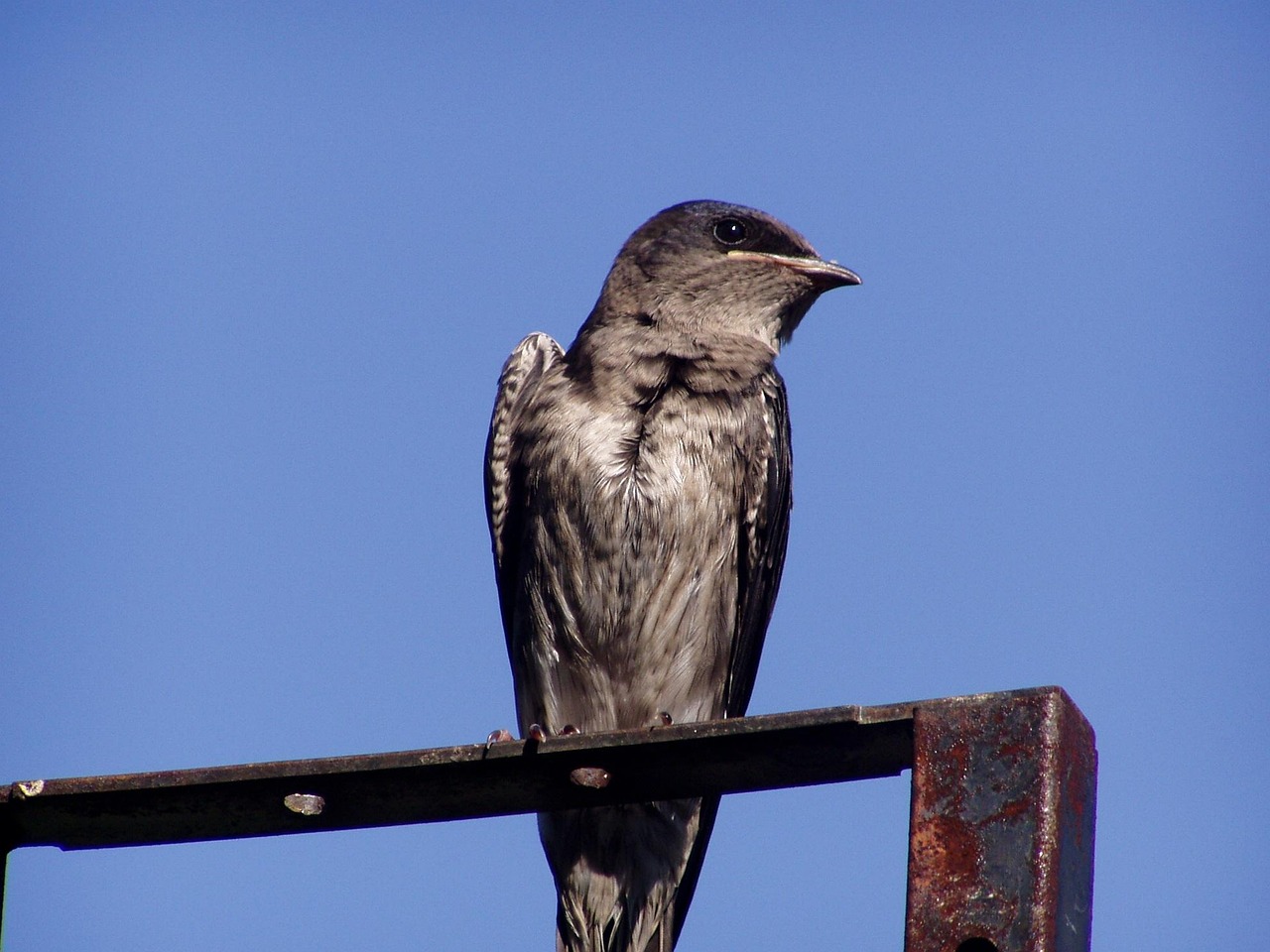
The Western Purple Martin is the largest swallow in North America, measuring nearly eight inches long with a wingspan approaching sixteen inches. Adult males shimmer with deep blue-purple feathers that appear almost black until sunlight reveals their brilliant iridescence. Females and younger birds display softer gray underparts with bluish backs, creating a beautiful contrast within nesting colonies.
Watching these birds in flight is awesome. Their long, sweeping wings allow them to make quick turns while chasing flying insects high above wetlands, rivers, estuaries, and coastal forests. Dragonflies, beetles, moths, flies, wasps, and other airborne insects make up much of their diet, making them valuable members of Oregon's coastal ecosystem.
Why the Oregon Coast is Special
The Oregon Coast provides ideal summer habitat thanks to its mixture of estuaries, freshwater wetlands, bays, coastal forests, and abundant insect life. Historically, Western Purple Martins nested inside cavities in standing dead trees created after wildfires or naturally by woodpeckers. Today, they continue using natural tree cavities in some areas while also taking advantage of specially designed nesting structures installed by conservation groups. This natural nesting behavior distinguishes the western subspecies from eastern Purple Martins, which depend almost entirely on human-provided housing.
Best Places to Watch Western Purple Martins
Several locations along the Oregon Coast offer excellent opportunities to observe these impressive birds during late spring and summer.
Siuslaw National Forest
The Siuslaw National Forest contains important breeding habitat where researchers continue monitoring Western Purple Martin populations. Open wetlands, rivers, and forest edges create ideal feeding areas, especially during calm mornings.
Coos Bay Estuary
The extensive estuary around Coos Bay attracts large numbers of flying insects throughout summer. Martins often patrol above the water while feeding, creating spectacular aerial displays for patient birdwatchers.
Yaquina Bay
Around Newport, the calm waters of Yaquina Bay provide another excellent location. Martins can often be seen circling above the marina, nearby wetlands, and forested shorelines during warm afternoons.
South Slough National Estuarine Research Reserve
Near Charleston, this protected estuary offers rich wildlife habitat where Purple Martins frequently forage alongside swallows, herons, osprey, and bald eagles.
The Best Time to Visit
Western Purple Martins typically return to Oregon during spring after migrating thousands of miles from South America. By June through August, nesting activity reaches its peak, making summer the best season for observation.
Early mornings, between sunrise and 10:00 a.m., often provide the greatest bird activity. Calm evenings before sunset can also produce outstanding viewing opportunities as insects become active and martins gather for one final feeding session.
Warm days with little wind generally offer the best birdwatching conditions.
Bird Watching Tips
Bring a quality pair of binoculars with at least 8x magnification. Because Purple Martins spend much of their time in flight, binoculars with a wide field of view make tracking them much easier.
A camera equipped with a telephoto lens of 300mm or longer allows photographers to capture detailed images without disturbing the birds.
Move quietly around nesting areas and observe from a respectful distance. Never approach nesting cavities or attempt to photograph inside nests. Human disturbance during the breeding season can cause unnecessary stress to adults raising young.
Listening can also help locate martins before seeing them. Their cheerful bubbling calls often reveal an active colony hidden among trees or near the shoreline.
More Than Just Beautiful Birds
The Western Purple Martin represents an important conservation success story in Oregon. During the twentieth century, populations declined dramatically because of habitat loss, removal of dead nesting trees, wildfire suppression, pesticide use, and competition from invasive European Starlings and House Sparrows. Researchers, volunteers, and conservation organizations now work together to restore habitat, install appropriate nesting structures, monitor breeding colonies, and better understand migration routes using modern GPS technology. These efforts are helping protect one of the Pacific Northwest's most distinctive birds.
A Rewarding Summer Adventure
Birdwatching along the Oregon Coast is about much more than checking species off a list. Standing beside a quiet estuary as Western Purple Martins dart effortlessly overhead offers a deeper appreciation for the delicate balance between wildlife and healthy coastal ecosystems.
Bring your binoculars, pack a camera, and spend a summer morning watching one of the Pacific Northwest's most fascinating birds perform an aerial ballet over the coastal landscape. You may leave with incredible photographs, memories, and a newfound appreciation for the conservation efforts helping ensure future generations can enjoy the sight of Western Purple Martins soaring above Oregon's wild coastline.