Where to Go Clamming in Brookings, Oregon: The Best Places to Harvest Fresh Clams on the Southern Oregon Coast
Few outdoor experiences are as satisfying as digging your own dinner from the Oregon coast. Around Brookings, Oregon, the rugged shoreline, protected estuaries, and nearby beaches offer opportunities for recreational clamming that combine beautiful scenery with the excitement of finding fresh shellfish.
While Brookings isn't as famous for clamming as bays farther north, locals know there are several productive spots nearby if you know where—and when—to look. The key is understanding the tides, identifying the right habitat, and always checking current shellfish safety advisories before heading out.
1. Winchuck River Estuary
The area around Winchuck State Recreation Site is one of the closest places to Brookings where recreational clam diggers search for bay clams.
The muddy and sandy flats exposed during minus tides can hold species including:
- Gaper clams
- Butter clams
- Native littleneck clams
- Cockles
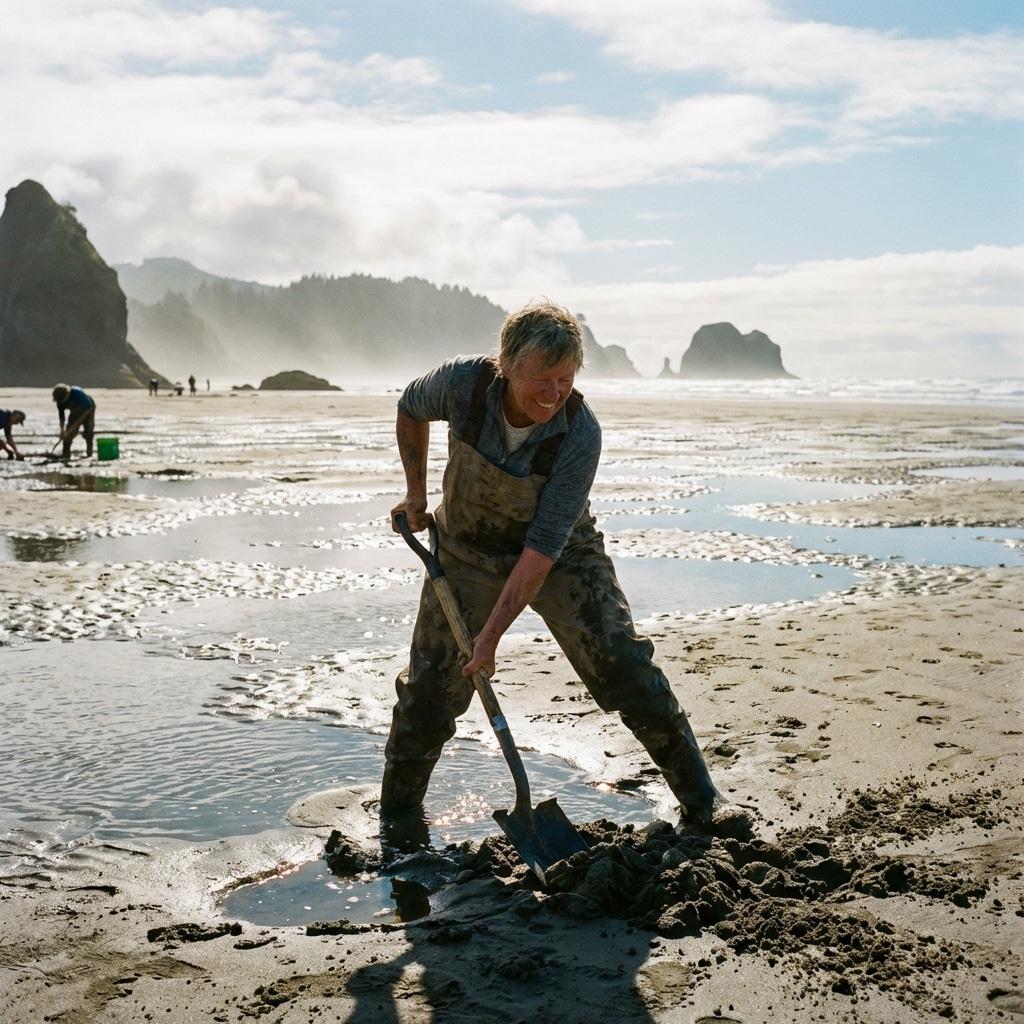
The estuary is easiest to explore during very low tides when large portions of the flats become exposed. Bring waterproof boots and a small clam shovel or hand rake, as many clams bury themselves several inches beneath the surface.
This location is particularly attractive because it's usually quieter than many of Oregon's larger estuaries.
2. Chetco River Estuary
Just minutes from downtown, the waters surrounding the Port of Brookings Harbor, Office and lower Chetco River occasionally provide opportunities for harvesting bay clams.
Although this isn't considered one of Oregon's premier clam fisheries, experienced locals sometimes find:
- Cockles
- Butter clams
- Native littlenecks
Success depends heavily on recent tides, sediment movement, and seasonal conditions. Spending time exploring exposed mudflats during winter and spring often produces the best results.
3. Harris Beach Area
Harris Beach is better known for tidepooling than traditional clamming, but certain nearby sandy sections can occasionally produce razor clams when conditions are favorable.
Unlike bay clams, razor clams require a different technique. Watch for the characteristic "shows"—small dimples or keyhole-shaped holes in the wet sand after a wave recedes.
Because razor clam populations fluctuate from year to year, it's important to verify that harvesting is open before planning a trip. Oregon may temporarily close beaches for conservation or public health reasons.
4. Nearby Pistol River Beaches
Just north of Brookings, the beaches around Pistol River can occasionally offer productive razor clam digging during open seasons.
These broad sandy beaches receive less pressure than many northern Oregon destinations, making them an appealing option for visitors willing to drive a few extra minutes.
Minus tides during spring and fall generally provide the easiest digging conditions.
Best Time to Go Clamming
Timing is everything.
The best clamming usually occurs:
- During minus tides
- One to two hours before the lowest tide
- Early morning low tides
- Calm ocean conditions
- Fall through spring for many species
Always check tide tables before leaving home. Even a difference of a few inches can determine whether productive clam beds are exposed.
What You'll Need
Fortunately, clamming requires very little equipment.
A basic setup includes:
- Oregon shellfish license (required for anyone age 12 or older)
- Clam shovel or clam gun
- Small hand rake
- Bucket or mesh bag
- Waterproof boots or chest waders
- Gloves
- Tide chart
Each harvester must keep their own catch in a separate container, and daily harvest limits vary by species.
Safety Comes First
One of the most important parts of clamming isn't finding the clams—it's making sure they're safe to eat.
Oregon regularly monitors shellfish for naturally occurring marine biotoxins. These toxins can't be seen, smelled, or cooked away.
Before every trip, check the current shellfish closure map published by the Oregon Department of Agriculture. Harvest areas can open and close throughout the year depending on testing results.
Also pay close attention to:
- Incoming tides
- Sneaker waves
- Slippery rocks
- Soft mud that can trap boots
- Weather forecasts
Never turn your back on the ocean.
A Rewarding Southern Oregon Tradition
Clamming around Brookings isn't about filling coolers in a hurry—it's about slowing down and enjoying one of the Oregon Coast's oldest outdoor traditions. Walking across tidal flats as seabirds search the shoreline, listening to the waves, and uncovering dinner beneath the sand creates a memorable experience that's hard to beat. With a little planning, the right tides, and respect for the resource, you'll discover that harvesting your own fresh clams can become one of the highlights of any trip to the southern Oregon coast.


.jpg)