Fishing the Alsea River in Low Water: Tips for Catching Salmon and Steelhead When the River Runs Shallow
The Alsea River on the Oregon Coast can be challenging when the water levels drop, especially during the fall salmon season and the beginning of winter steelhead fishing. When the river is running low, the fish become more cautious, the deeper holes become crowded, and stretches of water that normally produce fish can suddenly seem empty. But low water doesn't necessarily mean bad fishing. In fact, some of my favorite fishing conditions are when the river drops enough to reveal its structure, deeper channels, and the places where salmon and steelhead are likely to hold.
The Alsea River, located near Waldport, Oregon, is one of the more popular coastal fisheries for fall Chinook salmon and winter steelhead. Every year, anglers head to this river hoping to hook into a big salmon or a chrome-bright steelhead fresh from the Pacific Ocean. However, when the fall rains are late or the river drops after a stretch of dry weather, fishing requires a different approach.
The biggest mistake I see anglers make during low-water conditions is fishing the same spots, using the same heavy tackle, and expecting fish to behave as they would during higher flows. When the water is low and clear, success often comes down to slowing things down, fishing lighter gear, and understanding how fish react to changing river conditions.
Understanding How Low Water Affects the Alsea River
When the Alsea River is running at normal fall and winter levels, salmon and steelhead have plenty of water to travel upstream. Higher flows provide cover, create stronger currents, and encourage fish to move between holding areas.
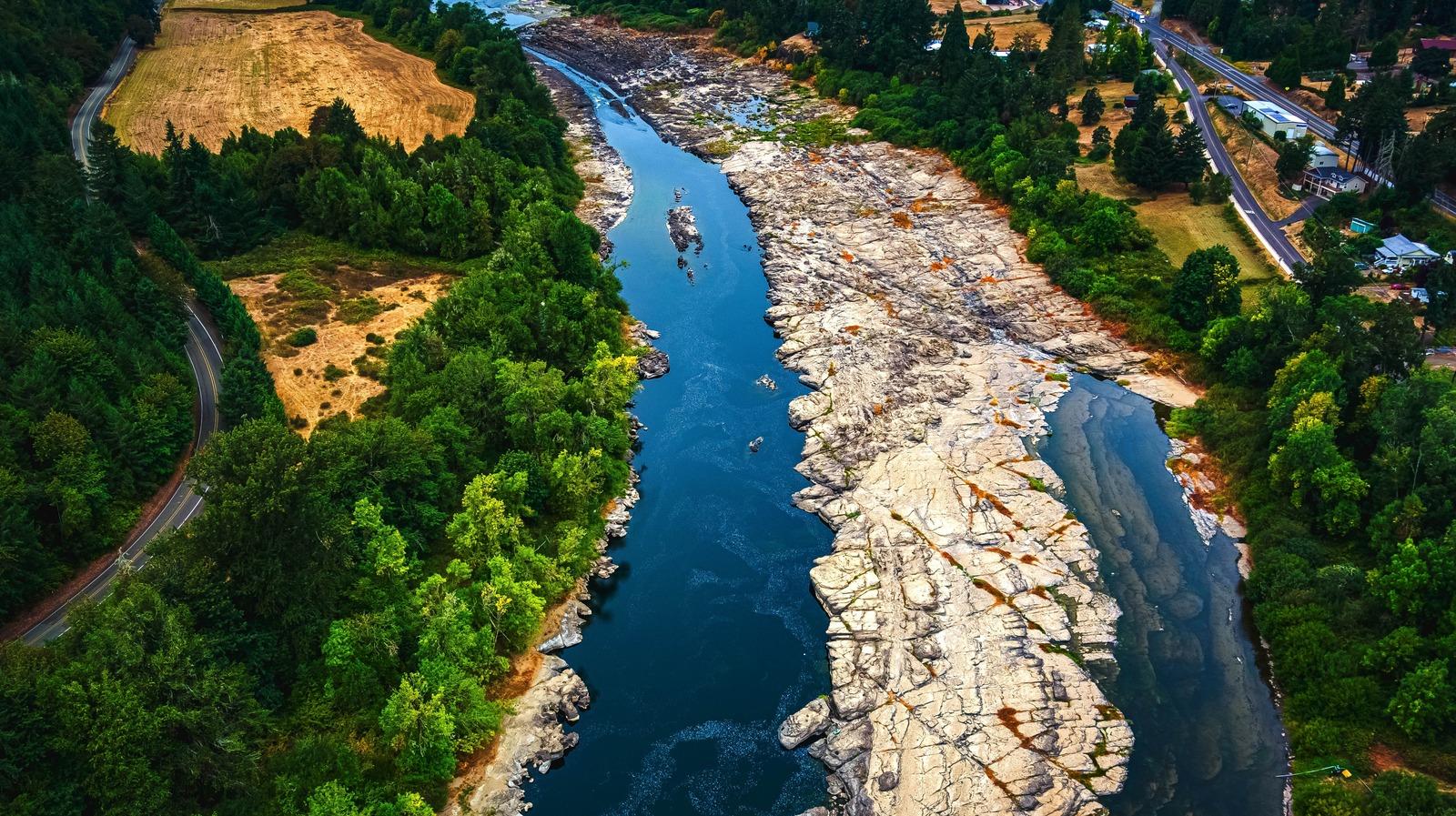
During extended dry periods, however, the river can become shallow and exceptionally clear. This changes everything.
Salmon entering the river from Alsea Bay may slow their upstream migration and spend more time holding in deeper sections of the lower river. Steelhead can also become reluctant to move through shallow riffles, particularly during daylight hours when they are more exposed.
Low water also concentrates fish into fewer locations. Deep pools, shaded runs, submerged logs, and narrow channels with enough depth become valuable holding areas.
One important thing to remember is that fish don't necessarily disappear when the river gets low. They may simply stop moving as much, become less aggressive, or settle into areas where they're harder to reach.
For anglers willing to adjust their techniques, these conditions can create some interesting opportunities.
Where to Fish the Alsea River When Water Levels Are Low
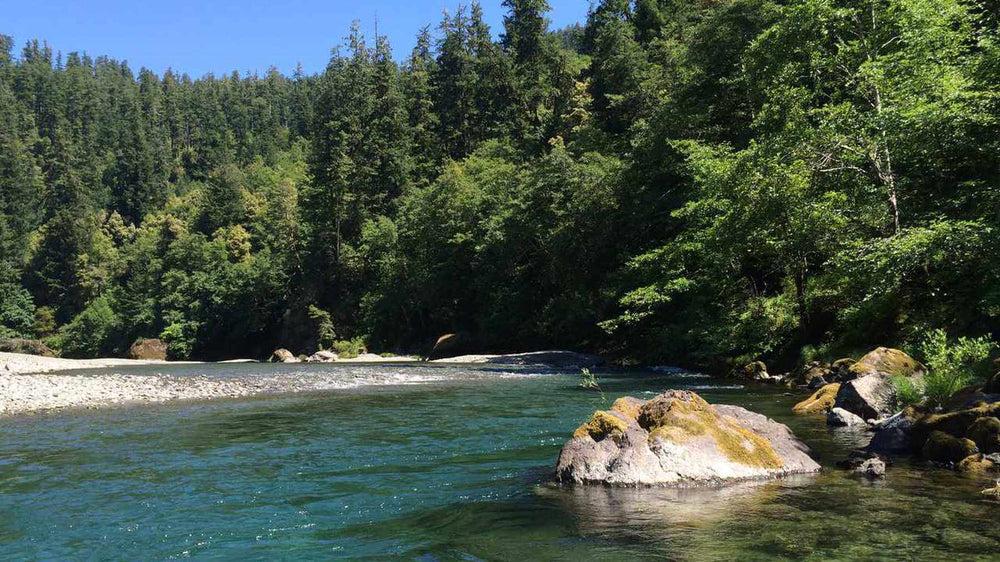
One advantage of low water is that it makes the river easier to read. Gravel bars become exposed, underwater structure becomes visible, and deeper channels stand out against the surrounding shallow water.
Instead of randomly casting into every stretch of river, I prefer to look for areas where fish have a reason to stop and rest.
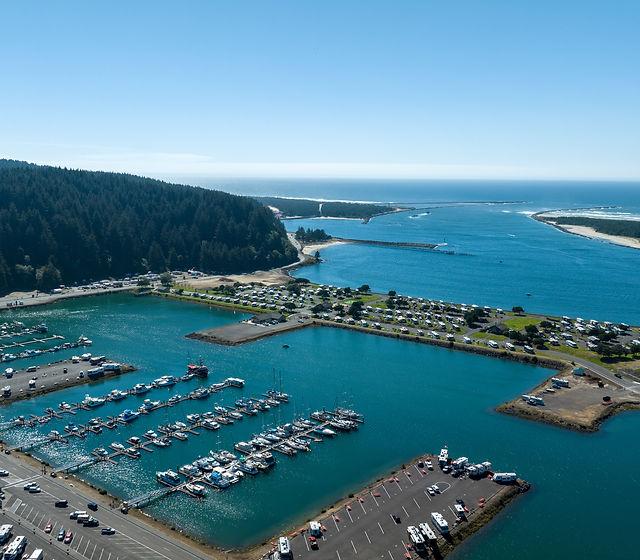
Lower Alsea River and Tidewater
When fall Chinook are slow to move upstream because of low flows, the lower river and tidewater sections can be among the better places to concentrate your efforts. Fish entering from Alsea Bay may hold in deeper water while waiting for a rise in river levels.
Fishing near the tidal influence can be especially interesting because incoming tides may provide additional depth and encourage fish to reposition. Look for deeper channels, current changes, and areas where moving water meets slower water.
Middle Alsea River Along Highway 34
The stretches of river accessible from Highway 34 offer opportunities for bank anglers willing to explore. During low-water conditions, I would concentrate on deeper bends, shaded pools, and the heads and tails of longer runs.
A deep pool immediately below a shallow riffle can be particularly attractive. Fish moving upstream may rest in these areas before attempting to travel through shallower sections.
Don't overlook the slower water along the opposite bank, either. Sometimes the best holding water is farther away from the obvious fishing spots.
Upper Alsea River and North Fork
As winter steelhead season progresses, the upper river and North Fork become more interesting. These areas have a variety of pools, riffles, and current breaks that can hold fish once sufficient rainfall allows them to migrate upstream.
The North Fork is also home to the Alsea Hatchery, an important part of the river's winter steelhead fishery. Be aware that this section has different fishing seasons and restrictions than the mainstem, including designated hatchery-area closures.
Best Fishing Techniques for Low and Clear Water
One of the biggest adjustments I make when fishing low water is downsizing my presentation. When the river is clear enough for fish to see everything around them, heavy leaders, oversized lures, and aggressive presentations can work against you.
1. Use Lighter Leaders and Smaller Presentations
For steelhead, fluorocarbon leaders in the 6- to 10-pound range can be useful in clear water, depending on current speed, fish size, and the surrounding structure. Larger salmon generally require heavier tackle, even when conditions are clear.
Small beads, subtle-colored jigs, and compact drift-fishing presentations can be effective when fish are holding in deeper pockets.
Natural colors such as peach, light pink, pale orange, and muted shades often deserve a place in the tackle box.
2. Fish Early in the Morning
Low water often means clear water, and clear water means fish can see anglers approaching from a considerable distance.
Early mornings can provide an advantage because the light is softer, fishing pressure is often lower, and fish may be more comfortable holding in shallower areas.
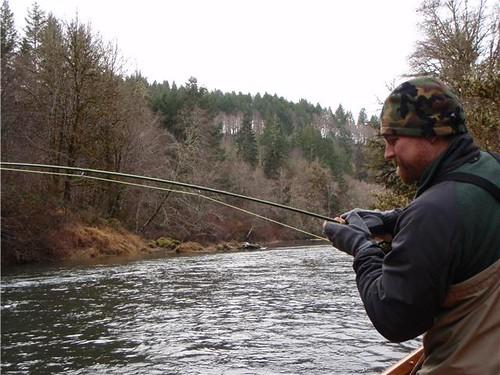
I like getting to the river before the sun reaches the water. A little fog hanging over the Alsea, with just enough light to see the current, can create some excellent fishing conditions.
Cloudy days can also be productive, particularly when the water is clear.
3. Slow Down Your Drift
When fish aren't moving much, it pays to keep your presentation in front of them longer.
For steelhead, a small jig suspended beneath a float can be an excellent choice. Adjust the depth so the jig travels naturally through the holding water without constantly dragging along the bottom.
Beads and other permitted drift presentations can also work well. The key is controlling the drift and avoiding excessive weight that causes the tackle to hang up or move unnaturally.
For salmon, try varying the speed and depth of your presentation rather than repeatedly casting into the same location.
4. Try Smaller Spinners and Spoons
Spinners and spoons can still produce fish in low water, but smaller profiles and subdued finishes may be more effective than oversized, flashy lures.
Copper, silver, and darker finishes are worth experimenting with, depending on lighting conditions and water clarity.
Cast slightly upstream or across the current and retrieve slowly enough to maintain the lure's action. Avoid ripping the lure through the water, especially when fish are holding in a small area.
A well-placed cast that moves naturally through the strike zone can be more productive than a dozen rushed casts.
Why Rainfall Makes Such a Difference
Anyone who has spent time fishing Oregon's coastal rivers knows how quickly things can change after a good rain.
One week, the Alsea might be running shallow and crystal clear. A few days later, a coastal storm can bring the river up, add some color, and encourage salmon or steelhead to begin moving again.
The first meaningful rise after an extended dry period is often worth watching. However, fishing isn't always best when the river is rising rapidly. In many situations, the better opportunity comes after the river peaks and begins dropping.
That period of falling water can provide an excellent balance between depth, current, and visibility.
For the Alsea, I particularly like the idea of fishing when the river has a slightly green tint and enough current to encourage fish movement without becoming too muddy.
Watching rainfall forecasts and river gauges can help determine when conditions are improving. The USGS water monitoring website is a useful resource for checking river levels and flow trends before heading out.
How Low Water Changes Salmon Fishing
Fall Chinook fishing on the Alsea can be especially frustrating when the river stays low through October and November.
These fish are preparing to migrate upstream to spawn, but without adequate water, their movement can slow considerably. Some salmon may remain in the lower river or tidewater areas until conditions improve.
During these periods, I would focus more attention on the lower river, deeper holding water, and tidal movements rather than spending the entire day searching shallow upstream sections.
The other thing to remember is that salmon holding in clear water can become extremely difficult to entice. Just because you can see a big Chinook sitting in a pool doesn't mean it's going to bite.
Sometimes the best strategy is to find fish that are actively moving or feeding rather than repeatedly casting at salmon that show no interest.
And when fish are concentrated in shallow water, avoid disturbing them or targeting actively spawning salmon. Use legal methods intended to provoke a voluntary strike, never snagging or attempting to foul-hook fish.
Winter Steelhead Fishing During Low Water
Winter steelhead present a slightly different challenge.
Unlike fall Chinook, which may already be holding in the river during dry weather, the early winter steelhead run depends heavily on conditions that allow fish to move upstream.
During November and early December, a lack of rainfall can delay the arrival of fresh fish into some of the traditional steelhead holding areas.
As the season progresses, anglers may find fish concentrated in deeper pools and longer runs, especially after an earlier rain event has moved fish upstream.
For winter steelhead, I would focus on three types of water: deeper pools with moderate current, current seams along gravel bars, and the transition areas between shallow riffles and deeper runs.
A small float and jig combination is one of my favorite approaches for this type of fishing. It allows you to cover a specific depth while keeping the presentation moving naturally through the water.
According to ODFW, the Alsea's winter steelhead fishing typically reaches its strongest period around mid-January through mid-February.
Low Water Fishing Mistakes to Avoid
Low-water fishing can reward patience, but it can also expose some common mistakes.
One is walking too close to the river before making your first cast. When the water is clear, fish can detect movement and shadows. Approach quietly and make a few casts from farther back before moving toward the bank.
Another mistake is fishing only the deepest hole. Although deep water provides cover, fish may also hold near the head of a pool, along the edges, or in slightly faster water where oxygen levels are better.
Finally, don't assume that heavier tackle will help you catch more fish. In clear water, an oversized presentation can be enough to turn fish away.
The goal is to make your bait or lure look as natural as possible while still having enough tackle strength to land the fish safely.
Fishing Regulations for the Alsea River in 2026
Before heading out, check the latest Oregon Department of Fish and Wildlife regulations. The Alsea has different rules for its mainstem, North Fork, South Fork, and tributaries.
Under the published 2026 regulations:
- Fall Chinook: Mainstem and bay open August 1 through December 31, up to the USFS River Edge Boat Landing.
- Hatchery steelhead: Mainstem open November 1 through April 30.
- North Fork and South Fork steelhead: Open December 1 through April 30 in designated sections.
- Wild steelhead: Must be released in the Alsea fishery.
- Boating restrictions: No angling from a floating device above Mill Creek on the mainstem; additional restrictions apply to the forks.
The 2026 in-season rules also limit wild Chinook retention in the Alsea River, bay, and specified Drift Creek waters to ten adult wild Chinook in aggregate for the August 1–December 31 period, subject to daily bag limits.
Always confirm the latest regulations, emergency closures, species-specific retention rules, and legal fishing methods at ODFW Fishing Regulation Updates.
Low water can also mean warmer water and greater stress on fish. Avoid fishing for cold-water species when temperatures are dangerously high, minimize handling, and release fish promptly when required.
Don't Give Up on the Alsea Just Because the Water Is Low
When the Alsea is running low, pay attention to the deeper channels, slow down your presentation, use lighter tackle when appropriate, and take advantage of the early morning hours. Most importantly, watch the weather. A good coastal rainstorm can completely change the fishing outlook in just a few days.
And sometimes, the best thing you can do is spend a little time exploring the river while it's low. Those exposed gravel bars, deeper holes, and underwater structures you're seeing today might become your favorite fishing spots when the winter rains finally arrive.