Fishing the Siuslaw River During Low Water: Tips, Techniques & Where to Find Fish
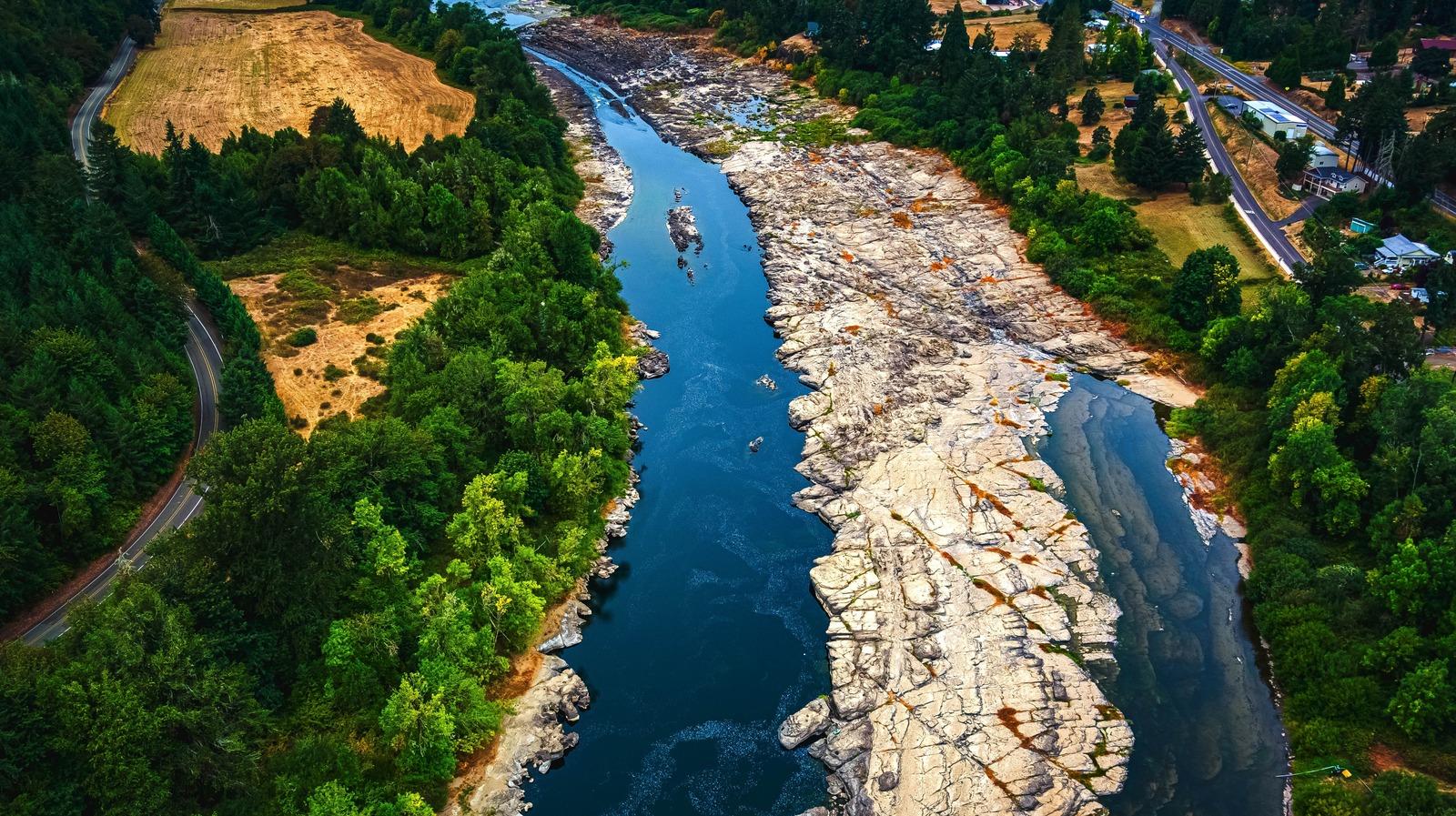
Fishing the Siuslaw River when water levels are low can be frustrating, especially when you're hoping to hook into a big Chinook salmon or an early winter steelhead. With little rainfall, shallow riffles, exposed gravel bars, and slow-moving pools, the river can look completely different from the productive fishing water anglers are used to seeing during a typical Oregon Coast fishing season. But just because the river is running low doesn't mean the fish have disappeared. Sometimes, it simply means you need to change your approach.
The Siuslaw River, flowing through the coastal forests of western Oregon before emptying into the Pacific Ocean near Florence, is one of the region's well-known salmon and steelhead fisheries. Its combination of tidal water, deep bends, gravel-bottomed runs, and forest-lined stretches provides opportunities for bank anglers and boat fishermen alike.
During extended dry periods, however, fishing conditions become much more challenging. Fish may hold in deeper water, become reluctant to bite, or delay moving upstream until the next significant rainfall. Understanding how low water changes fish behavior can make the difference between spending an entire day casting into empty water and finding a productive fishing spot.
How Low Water Levels Affect Fishing on the Siuslaw River
One of the biggest challenges when fishing the Siuslaw during dry weather is the lack of river flow. Under normal conditions, rainfall increases the river's volume, creating stronger currents that encourage salmon and steelhead to move upstream. These higher flows also provide cover, allowing fish to travel through shallow sections without feeling as exposed.
When rainfall is scarce, the river becomes clearer, slower, and shallower. Salmon and steelhead can become concentrated in deeper pools, especially below riffles and around bends where the current has carved out holding areas.
Low water also makes fish more cautious. In extremely clear conditions, salmon and steelhead can detect movement along the shoreline, fishing lines passing overhead, and poorly presented lures.
Another important factor is water temperature. During warmer, drier periods, shallow sections can heat up, reducing dissolved oxygen and making fish less active. This is especially important during late summer and early fall, when Chinook salmon begin entering Oregon's coastal rivers.
For anglers, the key is recognizing that low water doesn't necessarily eliminate fishing opportunities. It changes where fish are likely to hold and how willing they are to strike.
Where to Find Fish When the Siuslaw River Is Running Low
Finding fish in low water requires paying closer attention to river structure. Instead of covering long stretches of shallow water, concentrate on locations that offer depth, current, shade, and protection.
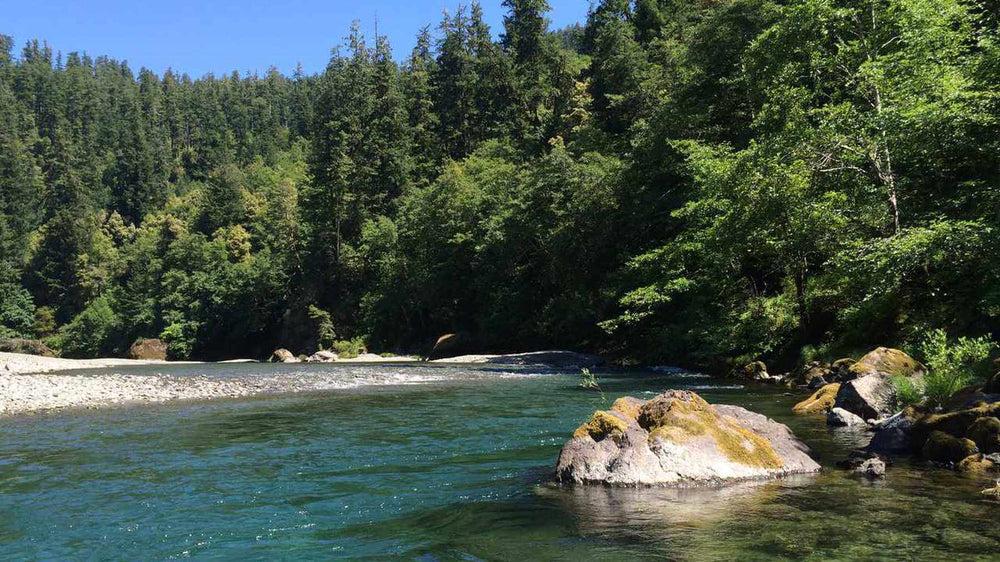
Deep pools and outside river bends are excellent places to begin looking. As the river drops, fish often retreat into the deeper portions of the channel where they feel more secure. These pools can hold salmon and steelhead waiting for improved conditions before continuing upstream.
The tailouts below deeper pools can also be productive, especially during the early morning hours when fish may move into slightly shallower water to travel or feed.
Shaded stretches beneath overhanging trees are worth investigating. These areas offer protection from direct sunlight, and cooler water can be particularly attractive during warmer weather.
Current seams and narrow channels are another feature to watch. Even when the river is low, certain sections maintain enough current to create natural travel routes. Fish may use these channels to move between holding areas.
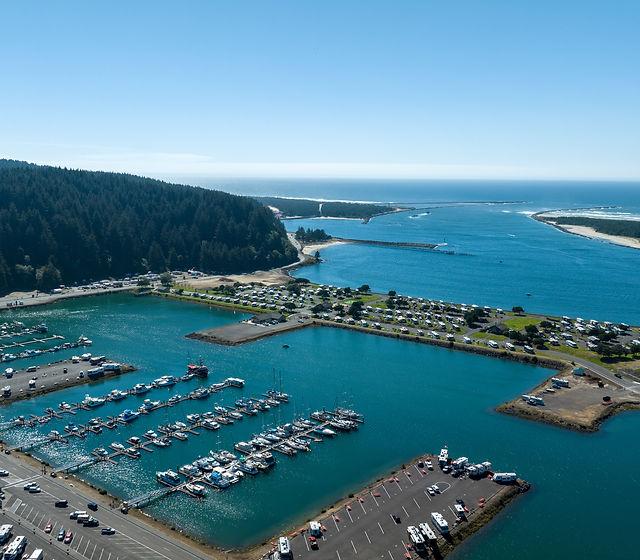
The lower Siuslaw River near Mapleton and the tidal stretches closer to Florence deserve particular attention during extended dry spells. Tidal influence can provide deeper water and changing currents even when freshwater flows remain low.
However, tidal movement doesn't guarantee that salmon will be present or actively biting. Timing, fish abundance, water temperature, and regulations all play a role.
Best Fishing Techniques for Low Water Conditions
When the Siuslaw River is running low and clear, fishing with the same heavy tackle and aggressive presentations that work during higher flows can be a mistake. Fish have more time to inspect your offering, and the reduced current makes unnatural presentations easier to detect.
1. Downsize Your Lures and Tackle
One of the simplest adjustments is switching to smaller presentations. Instead of throwing large, brightly colored spinners into shallow water, consider using smaller spinners with silver, copper, or darker finishes.
For steelhead, smaller beads, subtle jigs, and carefully presented drift-fishing setups can be effective. Lighter leaders may improve presentation in clear water, but they still need to be strong enough to land the fish safely.
For salmon, don't automatically abandon larger lures. Instead, consider reducing the size or changing the color and retrieve speed when fish are reluctant to strike.
2. Fish Slowly and Naturally
Low-water fish are often less willing to chase fast-moving lures. Slowing down your presentation can help keep your bait or lure in the strike zone longer.
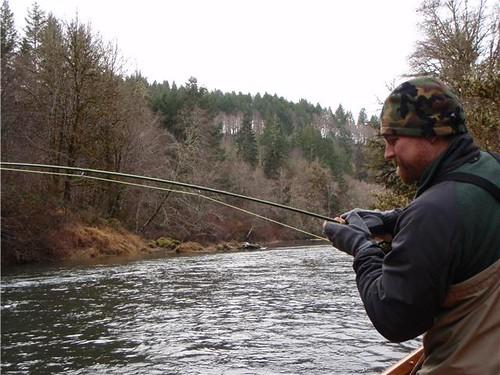
Float fishing can be particularly effective in deeper pools with gentle current. A properly balanced float allows you to suspend your presentation at a controlled depth without constantly dragging your gear across the river bottom.
For steelhead, small jigs beneath floats can be a good option. For salmon, roe presentations may be effective where bait is permitted, although legal restrictions vary by river section.
The goal is to make your presentation look natural rather than forcing a reaction from fish that are already cautious.
3. Take Advantage of Early Morning and Evening
If there's one adjustment I'd make during a stretch of low water, it's getting to the river earlier.
The first hour or two after sunrise can provide some of the best opportunities. Lower light levels make fish less exposed, and the river may be cooler than it will be later in the afternoon.
Cloudy mornings, light drizzle, and overcast afternoons can also improve fishing conditions. Even without enough rainfall to raise the river significantly, reduced sunlight can make fish more comfortable in shallower holding areas.
4. Avoid Spooking Fish
During low water, staying out of sight becomes much more important.
Approach the river carefully, avoid standing on exposed gravel bars directly above holding fish, and make your first casts before moving close to the water.
If you can see salmon or steelhead holding in a pool, there's a good chance they can see you, too.
Sometimes the best approach is to sit back, watch the water, and identify where fish are moving before making a cast.
Fishing the Lower Siuslaw River Near Florence
When freshwater levels remain low, the lower Siuslaw River can offer some of the more interesting fishing opportunities, particularly for fall Chinook salmon.
The tidal stretches near Florence, Cushman, and farther upstream toward Mapleton are influenced by incoming and outgoing tides. This creates changing water depths and current patterns that can encourage fish movement even when the upper river remains relatively stagnant.
During the fall salmon season, fresh Chinook entering from the Pacific may stage in the lower river before moving upstream.
For boat anglers, trolling appropriately sized spinners or other legal salmon gear through deeper tidal channels can be productive. Slower trolling speeds and careful attention to depth can be especially useful when fish are holding close to the bottom.
Bank anglers should look for publicly accessible shoreline areas near deeper channels, particularly where incoming tides bring additional water into the system.
One mistake anglers sometimes make is assuming that high tide automatically means better fishing. In reality, the changing current around an incoming tide, outgoing tide, or tidal transition can influence fish behavior differently depending on the location.
Experiment with different tide stages and pay attention to when fish begin showing activity.
What About Winter Steelhead During Low Water?
Winter steelhead fishing on the Siuslaw River presents a slightly different challenge.
Unlike fall Chinook, which often enter the river during late summer and autumn, winter steelhead typically begin showing up later in the year. The Siuslaw's winter steelhead fishery generally peaks from late January into March.
During dry winters, steelhead movement can slow considerably. Fish may hold in the lower river or deeper pools while waiting for increased flows.
When fishing for steelhead in low water, focus on slower current seams, deeper runs, and the transition areas between riffles and pools.
Small pink or peach-colored beads, subtle jigs, and smaller spinners can all be useful presentations where legal.
One of the biggest mistakes is fishing too much shallow water. While steelhead may travel through these areas, they often spend more time holding in deeper, protected sections when conditions are extremely clear.
Patience is important. Rather than making hundreds of casts into the same pool, cover promising water carefully, change your presentation when necessary, and move on if the fish aren't responding.
Why the First Good Rain Can Change Everything
Anyone who regularly fishes Oregon's coastal rivers knows how quickly conditions can improve after a good rainfall.
A river that looks almost lifeless during a prolonged dry spell can suddenly become productive once fresh water begins moving through the system.
Rising water increases current, provides additional cover, and can encourage salmon and steelhead to move upstream.
But not every rainstorm creates ideal fishing conditions.
A small amount of rain may barely change the river level, while a major coastal storm can turn the Siuslaw muddy and unfishable for a period.
What I'm looking for is that middle ground: enough rainfall to raise the river and encourage fish movement without making the water excessively dirty.
For anglers planning a trip, monitoring river gauges and upcoming weather forecasts can be just as important as selecting the right lure.
Low Water Fishing Mistakes to Avoid
Even experienced anglers can struggle when river conditions become unusually low. A few common mistakes can make an already difficult fishing day even harder.
- Fishing only shallow riffles: Concentrate on deeper holding water and natural travel lanes.
- Using overly heavy tackle: Adjust your leader and presentation to the clarity and current.
- Making too much noise: Avoid unnecessary wading, splashing, and walking directly above fish.
- Ignoring the tides: In the lower Siuslaw, tidal movement can be a major factor.
- Fishing too aggressively: Slow down your retrieve and give fish a more natural presentation.
- Overlooking water temperature: Avoid targeting stressed fish in excessively warm water, and handle released fish as little as possible.
Current Fishing Outlook for the Siuslaw River — November 2026
As of early November 2026, Oregon Department of Fish and Wildlife reports that fall Chinook fishing has slowed in the Siuslaw and several other coastal rivers. Chinook are spawning in many systems, and ODFW specifically cautions anglers not to disturb spawning fish or their gravel nests during low-flow conditions. That makes it especially important to distinguish between fish actively spawning and fresh fish moving through legal fishing areas.
For anglers planning to fish the Siuslaw this November, checking conditions before leaving home is essential.
The 2026 regulations list the mainstem Siuslaw and bay up to Lake Creek as open for Chinook salmon through December 31, with a special wild Chinook limit of one adult per day and five for the August–December period across the designated Siuslaw waters. Wild coho retention in those waters was limited to September 19 through October 13, 2026. Other sections have different seasonal restrictions, and some upstream reaches are closed during November.
Always check the latest ODFW rules, including bait restrictions, species-specific seasons, and emergency changes.
Useful resources include the ODFW Northwest Zone Fishing Report and ODFW Fishing Regulation Updates.
Don't Give Up on the Siuslaw Just Because the Water Is Low
Fishing the Siuslaw River during low water takes a different mindset. You can't always rely on the same spots, techniques, or timing that work when the river is flowing at normal levels.
Instead, you have to pay attention to the small details: a deeper channel running along the opposite bank, a shaded pool beneath an overhanging tree, a subtle change in current, or the movement of an incoming tide.
Sometimes the best fishing decision is to move downstream. Other times, it's to downsize your presentation, slow everything down, and wait for the right opportunity.