Fishing the Coos River During Low Water: Best Tidewater Fishing Spots, Techniques & Tips for Oregon Anglers
Fishing the Coos River near Coos Bay, Oregon, can be a rewarding experience, especially for anglers who understand how changing tides, low river flows, and seasonal fish movements affect the bite. When rainfall is limited and the upper river begins running low and clear, the tidal sections of the Coos River can become some of the more promising places to concentrate your efforts.
Unlike the smaller coastal streams that depend heavily on rainfall to bring salmon and steelhead upstream, the lower Coos River is influenced by the tides coming in from Coos Bay. That tidal movement can help keep fish moving, even when freshwater levels are too low to encourage much upstream migration.
For anglers targeting fall Chinook salmon, coho salmon where legally permitted, and other species found throughout the estuary, understanding the relationship between low water and tidal movement can make a big difference.
Why Tidewater Fishing Can Be Better During Low River Conditions
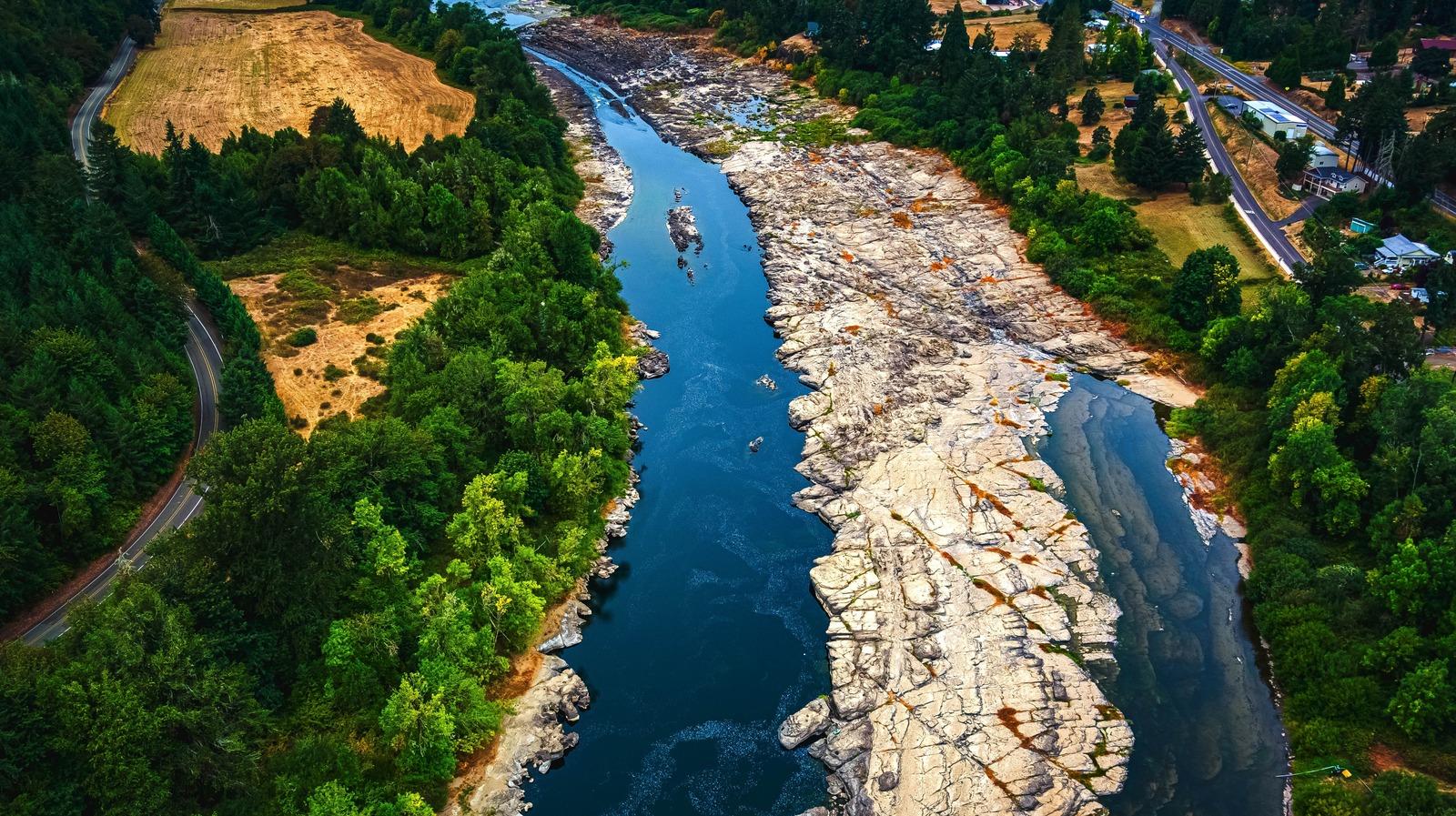
When Oregon experiences an extended dry spell, rivers like the Coos can become shallow, clear, and slow-moving. Fish that would normally continue upstream may delay their migration until rainfall increases river flows.
The lower Coos River receives a regular exchange of saltwater and freshwater, creating changing currents, deeper channels, and holding areas where migrating salmon may gather before continuing upstream.
During low-water conditions, salmon may remain in the lower river and estuary longer than usual. However, tides alone do not guarantee fresh fish will enter the system, and salmon already holding in tidewater may become less willing to bite.
Best Places to Fish the Coos River When Water Levels Are Low
The Coos River system offers several areas worth exploring, from the lower tidal channels near Coos Bay to the forks farther upstream. Some locations are better suited for boats, while others provide limited bank-fishing opportunities.
1. Lower Coos River Near the Chandler Bridge
The lower Coos River near the Chandler Bridge is an area worth investigating when river flows are low. This section connects the broader tidal waters of Coos Bay with the narrower channels farther upstream.
During the fall salmon season, Chinook may travel through this area as they move toward the South Fork Coos and Millicoma rivers.
What makes this area worth fishing?
The channel provides deeper water than many upstream stretches, and tidal currents can concentrate fish along channel edges and current seams.
For boat anglers, trolling plugs or spinners along deeper channel contours can be productive. Bank anglers should look for legally accessible shoreline with enough depth to fish effectively.
The period leading into high tide is a good starting point. Pay attention to places where current begins slowing and fish have an opportunity to hold.
2. Rooke-Higgins Boat Ramp and Lower Millicoma River
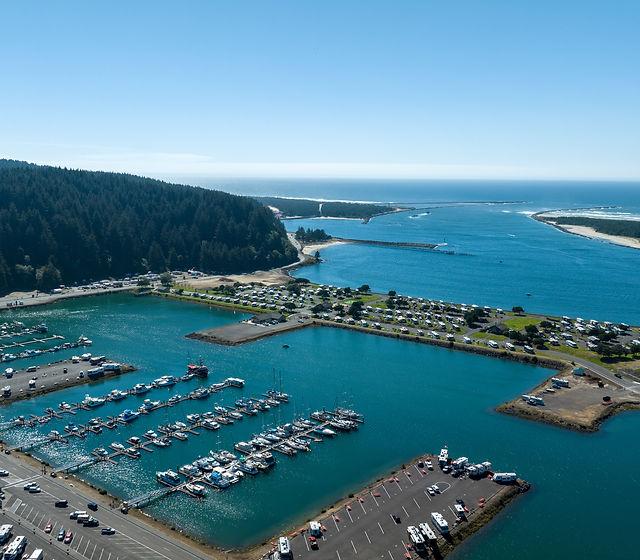
One of the more established fishing access points in the Coos River system is Rooke-Higgins County Park and its boat ramp on the Millicoma River.
Located upstream from the lower Coos River, this area provides access to tidal water that can be particularly interesting during the fall salmon migration.
ODFW identifies Rooke-Higgins as a fishing location for fall salmon and spring shad, with a boat ramp and park facilities.
When the water is low, focus on the deeper sections of the tidal channel rather than shallow flats.
Anglers fishing from boats can work slow-moving water with spinners, plugs, or other legal salmon presentations. Look for current changes, deeper outside bends, and fish showing on electronics.
For bank fishing, inspect designated public access areas, but don't assume the entire shoreline around the ramp is open or suitable for casting.
3. South Fork Coos River Near Dellwood
The South Fork Coos River offers another option when salmon are holding below the shallow upper reaches.
The tidal influence extends upstream to approximately Dellwood, making this a useful area to investigate when freshwater flows are insufficient to move fish farther upstream.
During prolonged dry conditions, look for the deepest available holding water near the upper tidal boundary.
This is not necessarily an easy place to fish. Low water can make salmon cautious, particularly in areas with heavy angling pressure.
A quieter approach, smaller presentations, and longer casts may improve your chances.
The South Fork is open for Chinook salmon and hatchery steelhead in its tidal reach under the 2026 annual regulations, subject to temporary updates.
4. Lower Millicoma River Near Allegany
The Millicoma River is another important branch of the Coos River system and a worthwhile location to explore during the fall.
Around the lower Millicoma and the approach toward Allegany, salmon may hold in deeper stretches before moving farther upstream.
The important thing is recognizing where tidal influence ends and freshwater river conditions begin.
When river levels are low, the shallower upper stretches can be difficult for salmon to navigate. Fish may wait downstream for the next substantial rainfall.
Boat anglers should investigate the lower channel, while bank anglers can look for lawful public access near established parks and road crossings.
Remember that the upper Millicoma is not all tidewater, and fishing seasons and gear restrictions can change between river sections.
5. Catching Slough and the Eastern Coos Bay Channels
Catching Slough, along with other tidal sloughs connected to Coos Bay, offers a different type of fishing environment.
These channels contain mudflats, deeper cuts, and slower-moving water influenced by the tide.
During low river flows, the deeper sections of these sloughs may be worth exploring for fish moving through the estuary.
Catching Slough is included in the Coos Bay regulatory area upstream to Sumner Road Bridge, but that does not mean every bank or channel is publicly accessible.
Focus on established public access, avoid shallow mudflats that can become hazardous at low tide, and use caution when boating through narrow tidal channels.
Best Tides for Fishing the Coos River
When river levels are low, the tide becomes one of the most important factors in determining where and when to fish.
Incoming tide
As the tide rises, deeper channels fill and current patterns change. Salmon may become more active, especially during the last couple of hours before high tide.
High slack tide
The brief period around high slack can provide excellent trolling opportunities. ODFW reports have identified the hours before and through high slack as productive periods for Coos Basin salmon.
Outgoing tide
Falling water can concentrate fish in deeper channels and holes. Look for current seams, channel drop-offs, and areas where water drains from shallow flats.
Fishing Techniques During Low Water
Trolling Spinners for Fall Chinook
Trolling is one of the more practical ways to cover the lower Coos River and surrounding tidewater.
Large salmon spinners can be especially effective when fish are holding in deeper channels.
Silver, chartreuse, brass, and other high-visibility finishes are worth experimenting with, depending on water clarity and available light.
Keep your trolling speed slow enough to maintain a consistent blade rotation while keeping your presentation near the depth where fish are traveling.
When the water is clear, try making longer passes without repeatedly driving directly over holding fish.
Fishing Plugs Along Deep Channels
Salmon plugs are another useful option, particularly when working deeper water near channel edges.
Diving plugs such as Kwikfish-style or FlatFish-style lures can produce strikes when presented at the right depth and speed.
In low water, pay close attention to how much line you're letting out. A lure that dives too deeply can drag bottom, while one running too shallow may pass above the fish.
Bobber Fishing in Slower Water
For anglers fishing from the bank, float fishing can be useful in suitable tidal areas where salmon are holding and the current is manageable.
A float allows you to control the depth of your presentation while reducing unnecessary bottom contact.
Depending on the location and regulations, legal bait or artificial offerings may be used.
Always check the specific river section for bait restrictions, hook requirements, and anti-snagging regulations before fishing.
How to Find Fish When the River Is Low
One of the biggest mistakes anglers make during low-water conditions is spending too much time fishing water that is simply too shallow to hold salmon comfortably.
Instead, look for these characteristics:
- Deep outside bends where the current has carved out a channel.
- Drop-offs between shallow flats and deeper water.
- Slower pockets near the edge of a moving tidal current.
- Confluences where two channels meet.
- Areas with enough depth to shelter fish during the lower stages of the tide.
Low water can also make fish more sensitive to noise and boat traffic. Avoid repeatedly running a motor over a holding area, and consider downsizing tackle when fish are visible but refusing larger presentations.
Another important consideration is water temperature. During warm, dry weather, fish may become stressed and less willing to strike. Avoid unnecessarily fighting or handling fish in unusually warm water.
What About Winter Steelhead?
Although fall Chinook are a major attraction in the Coos River system, winter steelhead become another consideration as the season progresses.
Unlike salmon holding in the estuary during the fall, winter steelhead generally benefit from increased freshwater flows that allow them to enter and move upstream.
When the river is extremely low, steelhead movement may be limited.
The first meaningful rainfall after an extended dry period can change conditions quickly. However, the best fishing isn't always during the peak of a storm.
Often, anglers find more favorable conditions as flows begin dropping and water clarity improves after a rise.
Coos River Fishing Regulations for November 2026
The Coos River, South Fork Coos River, Millicoma River, and Coos Bay have specific salmon regulations that anglers need to understand.
For the period October 19 through December 31, 2026, ODFW's temporary regulations specify a daily adult salmon limit of three fish in aggregate, with no more than two wild Chinook. The seasonal aggregate retention limit is ten adult wild Chinook from July 1 through December 31.
Wild coho retention has separate seasonal restrictions and should not be assumed open in November.
Before fishing, review the ODFW fishing regulation updates and the annual Southwest Zone regulations. Confirm legal fishing boundaries, bait rules, species restrictions, and required tags.
Low Water Doesn't Mean Bad Fishing
Fishing the Coos River during low-water conditions requires a different approach than fishing after a heavy Oregon Coast rainstorm.
Rather than heading straight for the upper river, anglers should consider concentrating on tidal water where deeper channels and changing currents provide opportunities for migrating salmon.
The lower Coos River near Chandler Bridge, the Millicoma River around Rooke-Higgins, and the South Fork near Dellwood are all worth investigating.
For boat anglers, slow trolling through deeper channels can be an effective approach. Bank anglers may need to work harder to find suitable public access, but carefully selected locations can still provide opportunities.
The biggest advantage comes from understanding how salmon respond to changing water levels. When the river is low, pay attention to the tides, find the deeper holding water, and adjust your presentation to the conditions.