Fishing the Lower Umpqua River in Low Water: Best Spots, Tidal Fishing Tips, & Where to Find Salmon & Steelhead
The Umpqua River is one of Oregon's most productive fishing destinations, but when rainfall is scarce and river levels drop, catching fish can become a completely different game. The lower Umpqua, particularly the tidal stretches between Reedsport, Scottsburg, and the surrounding river bends, offers anglers some interesting opportunities when the upper river is running low.
Low water doesn't necessarily mean poor fishing. In fact, knowing where to look, how to read the tides, and which techniques to use can make a big difference between spending an entire day watching your rod tip and actually hooking into a fish.
For anglers targeting fall Chinook salmon, coho salmon, winter steelhead, or even resident bass, the lower Umpqua offers a variety of fishing environments. Deep tidal channels, rocky banks, submerged structure, and slower-moving pools can all become productive under the right conditions.
The trick is understanding how fish behave when the river is low and why the tidal sections can sometimes outperform the shallow freshwater stretches farther upstream.
Why the Lower Umpqua Can Fish Better During Low Water
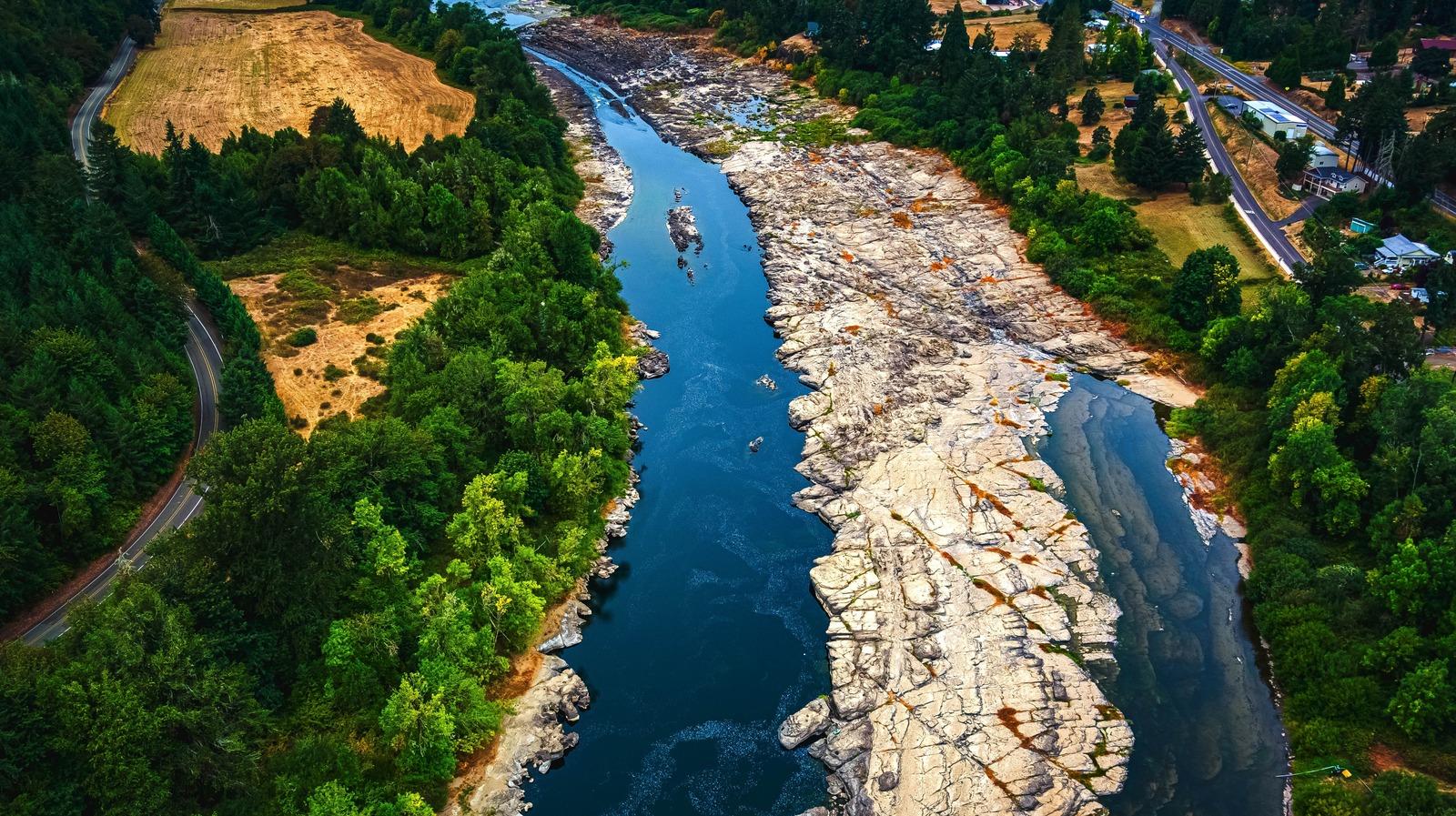
When the Umpqua River experiences extended periods without significant rainfall, water levels throughout the drainage begin to fall. Shallow riffles become exposed, current slows, and fish may have difficulty moving through certain sections of the river.
Salmon and steelhead entering from the Pacific Ocean often respond by holding in deeper water while waiting for improved migration conditions.
This is where the tidal influence of the lower Umpqua becomes important.
Unlike the upper river, where water levels depend heavily on rainfall and upstream flows, the lower river experiences regular changes in water depth and current direction associated with the ocean tides.
Incoming tides can temporarily increase water depth, while outgoing tides create moving water that can help concentrate fish around channel edges, current seams, and deeper holes.
During particularly dry fall conditions, salmon may spend additional time in the lower river and estuary before moving upstream.
However, low flows can also mean warmer water, increased fishing pressure, and fish that are reluctant to bite. Finding deeper water is only part of the equation. Water temperature, dissolved oxygen, tides, and the presence of actual migrating fish all matter.
Best Places to Fish the Lower Umpqua When Water Levels Are Low
1. Scottsburg Bridge and the Head of Tidewater
Best for: Fall Chinook, steelhead, smallmouth bass
Scottsburg is one of the first places I would investigate during extended low-water conditions. Located near the upper end of tidal influence, this section offers a transition between freshwater current and the slower, deeper water downstream.
The Scottsburg area is particularly interesting because salmon moving upstream may encounter increasingly shallow conditions above the tidal reach. During dry periods, fish can hold in deeper pools and channel sections while waiting for rain.
The water around bends, deeper slots, and current breaks deserves attention. Rather than fishing directly into shallow water, concentrate on the edges where the river bottom drops into the main channel.
For bank anglers, public access around Scottsburg is worth exploring, although not every stretch of shoreline is open to the public. Scottsburg Park and nearby established access areas are useful starting points.
Low-water fishing tip: Try casting spinners or fishing a bobber presentation along the deeper channel edges during the last portion of the incoming tide. Avoid disturbing shallow holding water where fish can easily detect movement.
2. Dean Creek and the Lower River Bends
Best for: Chinook salmon, sturgeon, tidal fishing
The lower river around Dean Creek offers broad tidal water, deeper channels, and river bends that can be attractive to migrating salmon.
When the Umpqua is low, look for places where the main channel swings toward an outside bend. These areas often contain deeper water than the shallow inside edges of the river.
Salmon traveling upstream may follow these deeper routes, particularly when visibility is high and the river is unusually clear.
Boat anglers can explore channel edges and current seams, keeping clear of navigation traffic and shallow mudflats. Bank anglers should use established public access rather than assuming shoreline beside the highway is available.
Low-water fishing tip: Focus on the changing tide rather than fishing the same presentation all day. A modest amount of tidal movement can make a previously quiet stretch more productive.
3. Reedsport Waterfront and Rainbow Plaza
Best for: Fall Chinook, tidal fishing, boat access
Reedsport is an excellent place to begin exploring the lower Umpqua because of its convenient access to the tidal river.
Rainbow Plaza, located along the waterfront, provides a public boat ramp that allows anglers to explore both upstream and downstream sections.
During low river conditions, the channel near Reedsport can still hold substantial water depth because of tidal influence. Salmon may travel through this area before reaching the narrower upstream river.
For anglers fishing from boats, trolling appropriately sized spinners or herring rigs in legal, navigable water can be productive when fish are moving.
Bank anglers should concentrate on legally accessible waterfront areas where deeper water comes within casting distance.
Low-water fishing tip: If you're not seeing fish activity, try fishing an hour or two before high tide and continue through the tide change. This gives you an opportunity to observe whether salmon are moving into the area.
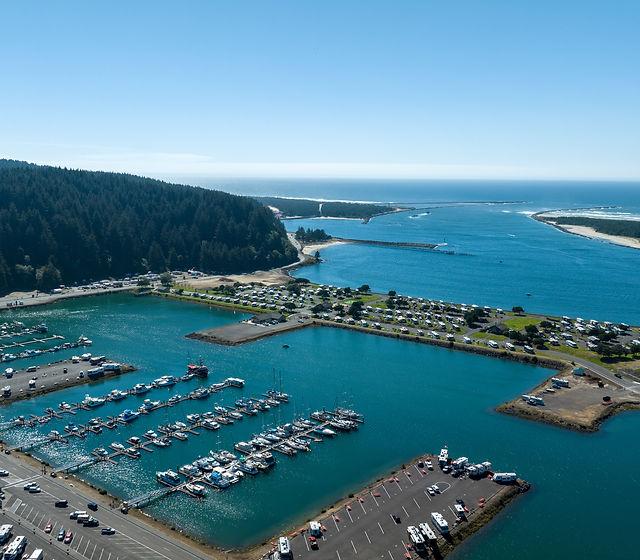
4. Winchester Bay and the Umpqua Estuary
Best for: Fall Chinook, coho, estuary fishing
When the river above Reedsport is extremely low, Winchester Bay can be one of the better areas to investigate for salmon entering the Umpqua system.
This is where the river opens into the broad estuary before reaching the Pacific Ocean. Fish moving in from saltwater can stage in the bay and deeper channels, although their location changes with tides, salinity, temperature, and fishing pressure.
The channels around Salmon Harbor and the lower bay are popular areas for boat anglers targeting salmon during the fall season.
For bank anglers, the public waterfront and designated fishing areas offer alternatives, although deep-channel access is more limited without a boat.
Low-water fishing tip: On a strong incoming tide, watch for signs of traveling fish and baitfish activity. Don't automatically assume every deep hole contains salmon. Moving fish may be more responsive than fish that have been holding for days.
5. Above Scottsburg Toward Elkton
Best for: Smallmouth bass, deeper freshwater pools, migrating salmon when conditions improve
Although this stretch is largely above tidal influence, it's worth mentioning because anglers often overlook its fishing potential when the river is low.
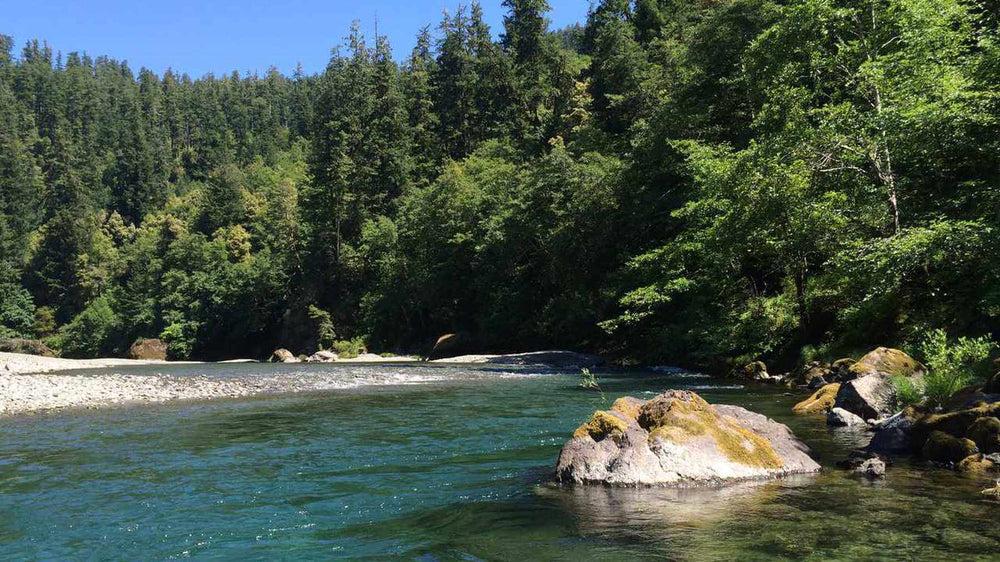
The mainstem Umpqua between Scottsburg and Elkton contains rocky structure, deep bends, and long stretches of excellent smallmouth bass habitat.
When salmon fishing becomes difficult because of low flows, bass can provide an alternative.
Oregon Department of Fish and Wildlife specifically identifies the mainstem Umpqua down to the upper tidewater near Scottsburg as productive smallmouth bass water.
Look for deeper pockets below riffles, submerged rocks, and shaded banks. Small soft plastics, tube jigs, and finesse presentations can be especially effective.
For salmon, concentrate on deeper traveling lanes rather than exposed gravel bars, and always check seasonal restrictions around tributary mouths.
How to Fish the Tides During Low River Conditions
Understanding the tides can be just as important as choosing the right fishing spot.
I would generally plan a low-water fishing trip around a tide change, particularly when targeting fall Chinook. If possible, arrive early enough to observe the river before the predicted tide peaks.
Some fish move on incoming water, while others become more aggressive as the current begins flowing back toward the ocean.
Experimenting with both tidal phases is often more useful than relying on one particular tide.
Best Fishing Techniques When the Umpqua Is Low
Bobber Fishing With Eggs
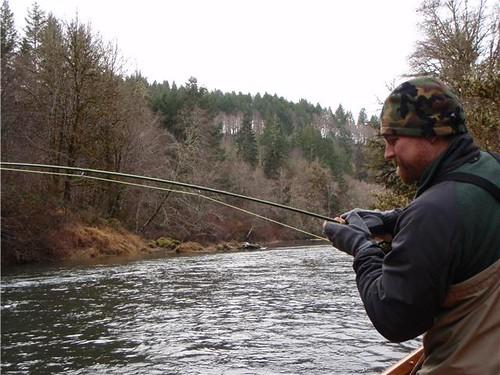
Where bait is permitted, fishing cured salmon eggs beneath a float can be an effective technique for Chinook holding in deeper water.
The key is presenting the bait naturally without dragging it along the bottom. In low, clear water, use the lightest practical setup that still allows you to land a large salmon safely.
Casting Spinners
Spinners are useful when fish are moving through deeper channels or holding near rocky structure.
Silver, copper, and darker finishes can all have their place depending on water clarity and sunlight.
Cast across the current and retrieve slowly enough to keep the blade turning while maintaining control of the lure.
Trolling in Tidewater
For anglers with boats, trolling can help cover large sections of the lower river.
Herring rigs, spinners, and other legal salmon presentations can be fished along channel edges where salmon may travel.
Pay close attention to water depth, tide direction, boat traffic, and the location of submerged hazards.
Targeting Smallmouth Bass
If the salmon aren't cooperating, switch to bass fishing in the freshwater reaches.
Smallmouth bass often hold around rocky points, ledges, submerged boulders, and deeper pools during low-water conditions.
A small tube jig, soft-plastic crawfish, or finesse worm worked slowly along the bottom can produce strikes when more aggressive presentations fail.
When Is the Best Time to Fish the Lower Umpqua?
During extended dry periods, I would concentrate on three things: early morning fishing, tide changes, and the first meaningful increase in river flow following rainfall.
Early mornings can be especially productive when the river is clear and fishing pressure is relatively light. Salmon are often less exposed to bright sunlight, and the cooler water temperatures may encourage movement.
The first substantial fall rains can change fishing conditions dramatically. A modest increase in flow may encourage salmon that have been holding in tidewater to begin moving upstream.
However, don't assume that every rainstorm improves fishing. Heavy rain can introduce debris, muddy water, and dangerous currents. The best conditions often occur when the river has enough flow for fish to move but still offers reasonable visibility.
Umpqua River Fishing Regulations for November 2026
Before fishing, review the latest Oregon Department of Fish and Wildlife regulations. Important rules currently include:
- The mainstem Umpqua is open for Chinook fishing July 1 through November 30, 2026.
- The temporary adult wild Chinook limit is one per day and five for the July 1–November 30 period, combined across the specified Umpqua and Smith River reaches.
- Hatchery steelhead and hatchery coho fishing is open year-round on the mainstem, subject to applicable rules.
- From June 1 through September 30, special restrictions prohibit fishing within 200 feet of tributary mouths between Scottsburg Bridge and River Forks boat ramp.
- Trout fishing on the mainstem was catch-and-release only from May 22 through October 31.
These are selected rules, not the complete regulations. Verify species-specific harvest limits, gear restrictions, and any emergency changes before heading out.
Official resources: ODFW Fishing Regulation Updates and Southwest Oregon Fishing Information.
For fall salmon, I would concentrate my efforts between Winchester Bay and Scottsburg, paying particular attention to deeper tidal channels, outside bends, and the changing tides. For anglers looking for consistent action when salmon fishing slows down, the rocky freshwater sections above Scottsburg can offer excellent smallmouth bass opportunities.
One of the biggest mistakes anglers make during low water is continuing to fish the same shallow spots they use when the river is running higher. Fish respond to changing conditions, and successful anglers need to do the same.