Fishing the Chandler Bridge on the Coos River: What to Catch, Best Times to Fish & Local Fishing Tips
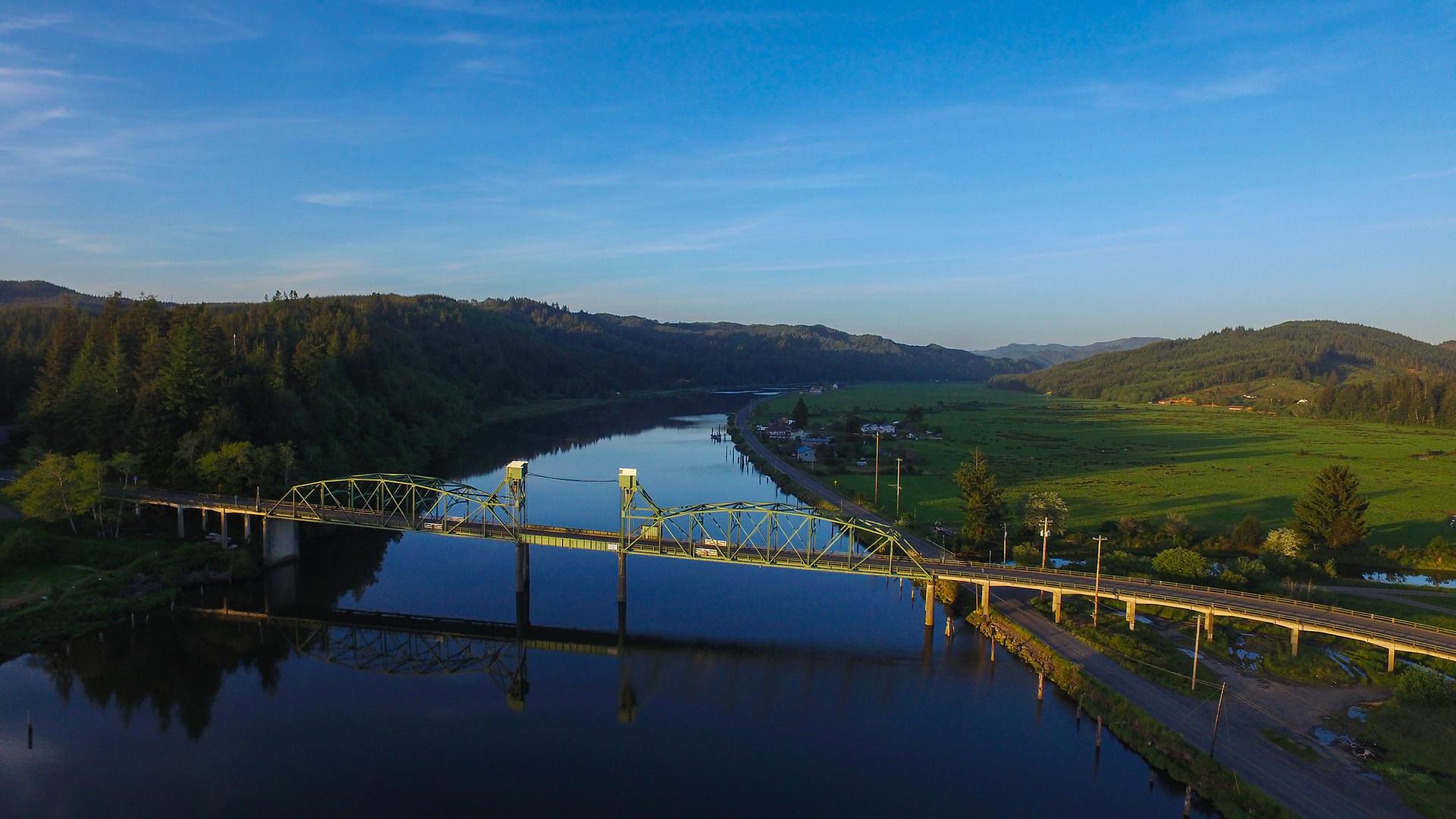
Just a few miles east of downtown Coos Bay, the historic green Chandler Bridge crosses one of the most interesting stretches of tidal water in the Coos River system. What makes this location interesting is its position between the broad waters of Coos Bay and the smaller rivers farther upstream. Salmon migrating out of the Pacific Ocean travel through this section on their way toward the South Coos and Millicoma rivers, while changing tides create currents, deeper channels, and feeding opportunities for other fish.
Where Is Chandler Bridge?
Chandler Bridge is located along Coos River Highway (Highway 241), approximately three miles east of Coos Bay. The bridge crosses the lower Coos River, where tidal influence remains an important factor in fishing conditions.
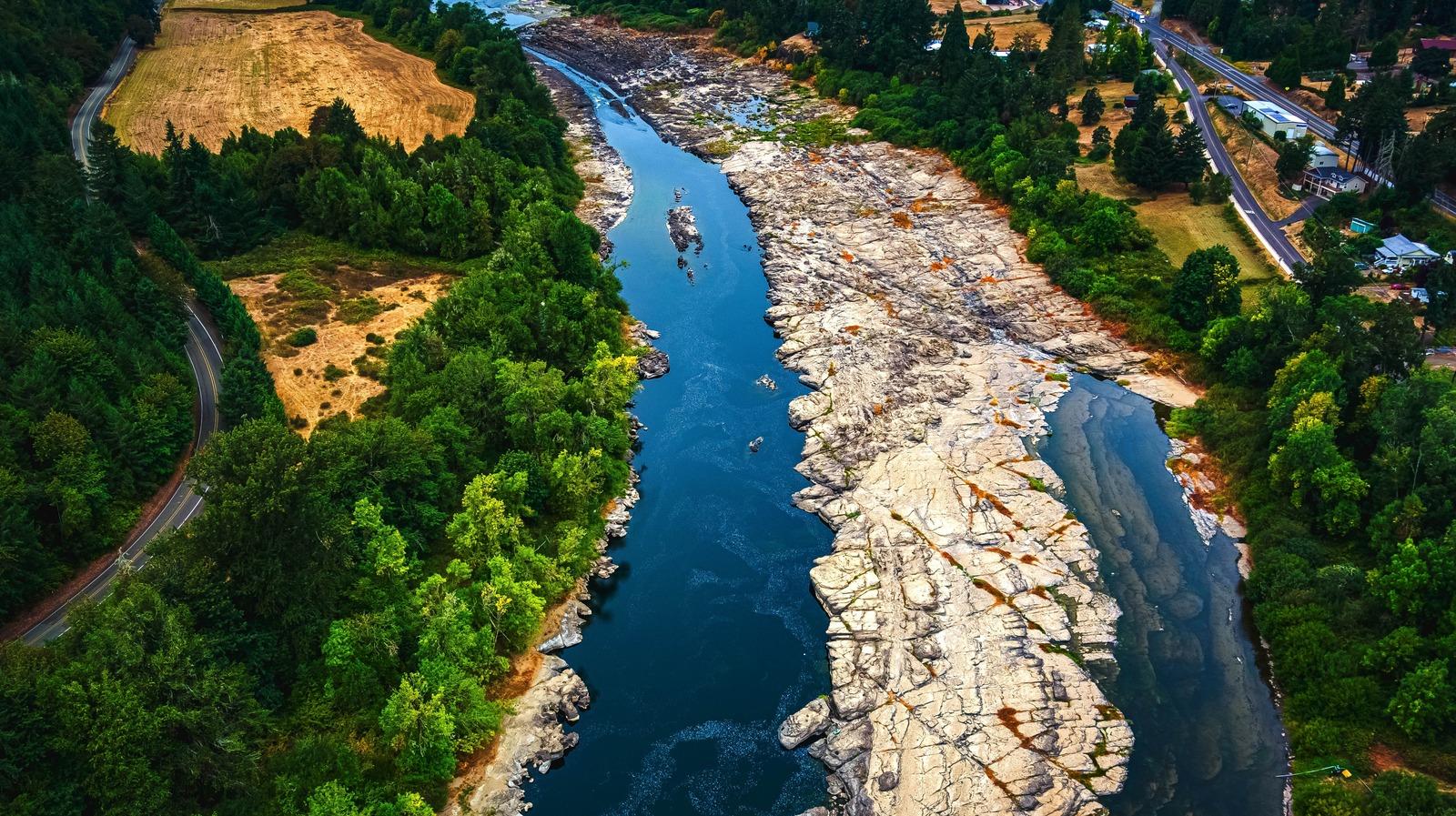
The surrounding river features deeper channels, muddy banks, current seams, and shoreline structure that can attract fish.
Unlike some of Oregon's smaller coastal streams, this section maintains substantial tidal water even when rainfall is limited. That makes it particularly interesting during dry fall weather, when salmon may be moving through the estuary but have not yet entered smaller upstream tributaries.
What Fish Can You Catch Near Chandler Bridge?
Several species use the lower Coos River, although their abundance, legal fishing seasons, and likelihood of being caught vary considerably.
1. Fall Chinook Salmon — The Main Attraction
Best season: August through November
Fall Chinook are the primary fish to target near Chandler Bridge. These salmon migrate through the lower Coos River toward their spawning tributaries. October is often an important month, with November opportunities depending on rainfall, river temperatures, and run timing.
2. Striped Bass — An Overlooked Opportunity
Best prospects: Spring through early fall
Striped bass have historically used the Coos River estuary and tidal river channels. They are less predictable than salmon, but deeper water and areas holding baitfish are worth investigating. Small swimbaits, soft plastics, and other baitfish imitations are good options.
3. Coho Salmon — Seasonal Migrants
Typical migration: September through November
Coho also travel through the Coos River system. They may be encountered while targeting Chinook, particularly during fall. However, wild coho retention is tightly regulated and should never be assumed legal simply because fish are present.
4. Winter Steelhead — Mostly Passing Through
Typical migration: December through March
Winter steelhead migrate through the lower river toward upstream spawning areas. Chandler Bridge is more of a migration corridor than a traditional steelhead fishing destination. Anglers generally have better opportunities farther upstream on the South Coos and West Fork Millicoma rivers.
5. Starry Flounder and Other Estuary Fish
Opportunities vary with salinity and tides
Starry flounder have historically occupied portions of the tidal Coos River. Sandy or muddy channel edges can be worth exploring with small bottom-fishing rigs, although these fish are not as dependable a target here as fall salmon.
Historical fisheries habitat records identify Chinook, coho, steelhead, striped bass, cutthroat trout, American shad, and starry flounder in the river system around and upstream of Chandler Bridge. That establishes their presence in the system, but doesn't mean every species is regularly caught directly beneath the bridge.
Best Fishing Spots Around Chandler Bridge
1. The deeper channel near the bridge
One of the first places worth investigating is the deeper river channel near the bridge itself.
Salmon moving upstream often follow deeper water, particularly when the river is low and clear. Rather than swimming through shallow exposed areas, fish may travel along channel edges where they have more cover and consistent depth.
For boat anglers, trolling through these deeper sections with salmon plugs or spinners can be a reasonable approach.
Watch for current changes, floating debris, and underwater obstructions. Avoid anchoring in navigation channels or interfering with other boat traffic.
2. Downstream toward Coos Bay
The river downstream of Chandler Bridge gradually opens into the broader estuary.
This section can be worth exploring when salmon are moving in from the bay. Incoming tides bring additional water into the river, and Chinook may use the deeper channels as they travel upstream.
A useful strategy is to locate the main channel, watch for rolling salmon, and work the slower edges of the current.
3. Upstream toward the South Coos and Millicoma rivers
Continuing upstream from Chandler Bridge brings anglers toward the junction of the South Coos and Millicoma rivers.
Both river systems support seasonal salmon migrations. When fall rains arrive, fish that have been traveling through tidal water may begin moving farther upstream.
For anglers with boats, this area provides additional water to explore, although navigation becomes more demanding in shallow conditions.
Nearby established access locations include Doris Place (also called Dora's Place) on the Millicoma River and Rooke-Higgins farther upstream. ODFW identifies both as locations offering salmon and seasonal shad opportunities.
Best Tides for Fishing Chandler Bridge
One of the biggest mistakes anglers make when fishing tidal rivers is treating them like ordinary freshwater streams.
At Chandler Bridge, the tide can influence fish movement, current direction, and the effectiveness of different presentations.
Incoming tide: As water pushes upstream from Coos Bay, salmon may move into the lower river. This is a good time to work deeper channels and areas where current speeds change.
High tide: The period leading up to high tide and around high slack can be particularly interesting for Chinook. ODFW has noted that salmon fishing in the lower Coos Bay system is often best during the couple of hours before high slack and through that period.
Outgoing tide: As water drains toward the bay, current seams become more noticeable. These can provide opportunities to present lures along channel edges or around shoreline structure.
For anglers fishing from shore, the most productive tide may depend on how much water covers the available fishing area. A shoreline that looks promising at high tide might be too shallow to fish effectively several hours later.
Bait and Lures for Chandler Bridge Fishing
For fall Chinook, several established Oregon Coast fishing techniques are worth trying.
- Salmon plugs: Diving plugs in chartreuse, metallic, or contrasting colors can be effective when trolled through deeper tidal channels.
- Spinners: Larger salmon spinners can be cast or trolled where current and water depth allow.
- Salmon roe: Where bait is permitted, cured salmon eggs presented beneath a float or near the bottom can attract migrating Chinook.
- Soft-plastic swimbaits: For striped bass, baitfish-shaped lures worked near current seams and drop-offs are worth trying.
- Small bottom rigs: For flounder, a small hook and appropriate bait fished close to the bottom can be effective in suitable estuary habitat.
For salmon, a medium-heavy to heavy rod with sufficient backbone to handle a large Chinook is a practical choice. A reel with a smooth drag and braided main line can help when fighting fish in tidal current.
Remember that tackle and bait restrictions can vary by species, season, and exact location.
Fishing Chandler Bridge During Low Water
Low water is one of the more interesting conditions in the Coos River system, especially during September, October, and November.
When Oregon's fall rains are delayed, salmon may continue moving through tidal sections while conditions farther upstream remain shallow.
This is when the deeper water around Chandler Bridge becomes worth investigating.
Instead of concentrating on shallow flats, focus on channel edges, current seams, and places where deeper water runs close to shoreline structure.
Clear water may require a quieter approach. Avoid running a boat repeatedly over the same holding area, and consider slowing your trolling speed or changing lure size when fish are reluctant to bite.
Once a substantial rain arrives, the situation can change quickly. Increasing river flows may encourage salmon to move upstream, and yesterday's productive water may no longer hold fish.
Can You Fish From the Bank at Chandler Bridge?
Bank fishing around Chandler Bridge can be more challenging than fishing from a boat.
Much of the surrounding shoreline is muddy, steep, privately owned, or difficult to reach. Although anglers may find legal shoreline opportunities in the broader area, the bridge itself should not be assumed to provide a public fishing platform.
Do not park on bridge approaches, climb down embankments, enter maintenance areas, or cross private property without permission.
For anglers who prefer fishing from shore, the Coos Bay Boardwalk in downtown Coos Bay is an established alternative for fall salmon fishing. ODFW specifically identifies it as a bank-fishing location for Chinook.
Chandler Bridge Fishing Regulations — November 2026
Anglers planning a trip this fall should pay particular attention to updated salmon regulations.
According to the Oregon Department of Fish and Wildlife, the following temporary rules apply to the specified Coos Bay and Coos River waters, including the mainstem Coos River, South Fork Coos River, and Millicoma River in aggregate:
- October 19–December 31, 2026: The daily adult salmon limit is three fish in aggregate, with no more than two wild Chinook.
- July 1–December 31, 2026: No more than ten adult wild Chinook may be retained in aggregate during this period.
These are not a complete statement of every fishing regulation. Species-specific seasons, wild coho restrictions, gear requirements, tagging rules, and other annual regulations still apply.
Check the official ODFW regulation updates before fishing.
Bridge maintenance caution: ODFW reports during 2026 also warned of a temporary maintenance dock potentially moored near Chandler Bridge. Boaters should verify current conditions and watch for maintenance equipment or navigation hazards.
The Wrap Up
Its greatest attraction is fall Chinook salmon. The bridge sits along a natural migration route connecting Coos Bay with productive upstream salmon waters, making it a logical place to investigate when fish are traveling through the river.
Striped bass, flounder, and other species offer additional possibilities, but their presence and fishing success are less predictable.
The key to fishing this section is understanding that it changes with every tide and every significant rainfall. A stretch that seems empty during low tide may look completely different when the incoming tide fills the channel.
For boat anglers, the deeper channels and surrounding river bends provide opportunities to explore. Bank anglers should pay close attention to legal access and consider nearby established fishing locations.
And when fall rains finally arrive on the Oregon Coast, keep an eye on the river. Those changing conditions can be the difference between a quiet morning watching the tide and a memorable battle with a big Coos River Chinook.