Millicoma River Fishing Report – November 2026: Fall Chinook Activity, Coho Salmon & Early Winter Steelhead Outlook
The Millicoma River near Coos Bay, Oregon, is entering one of the most interesting transitions of the fishing season. With November underway, fall Chinook salmon remain the primary attraction, coho salmon are moving toward their spawning grounds, and anglers are beginning to look ahead to the arrival of winter steelhead.
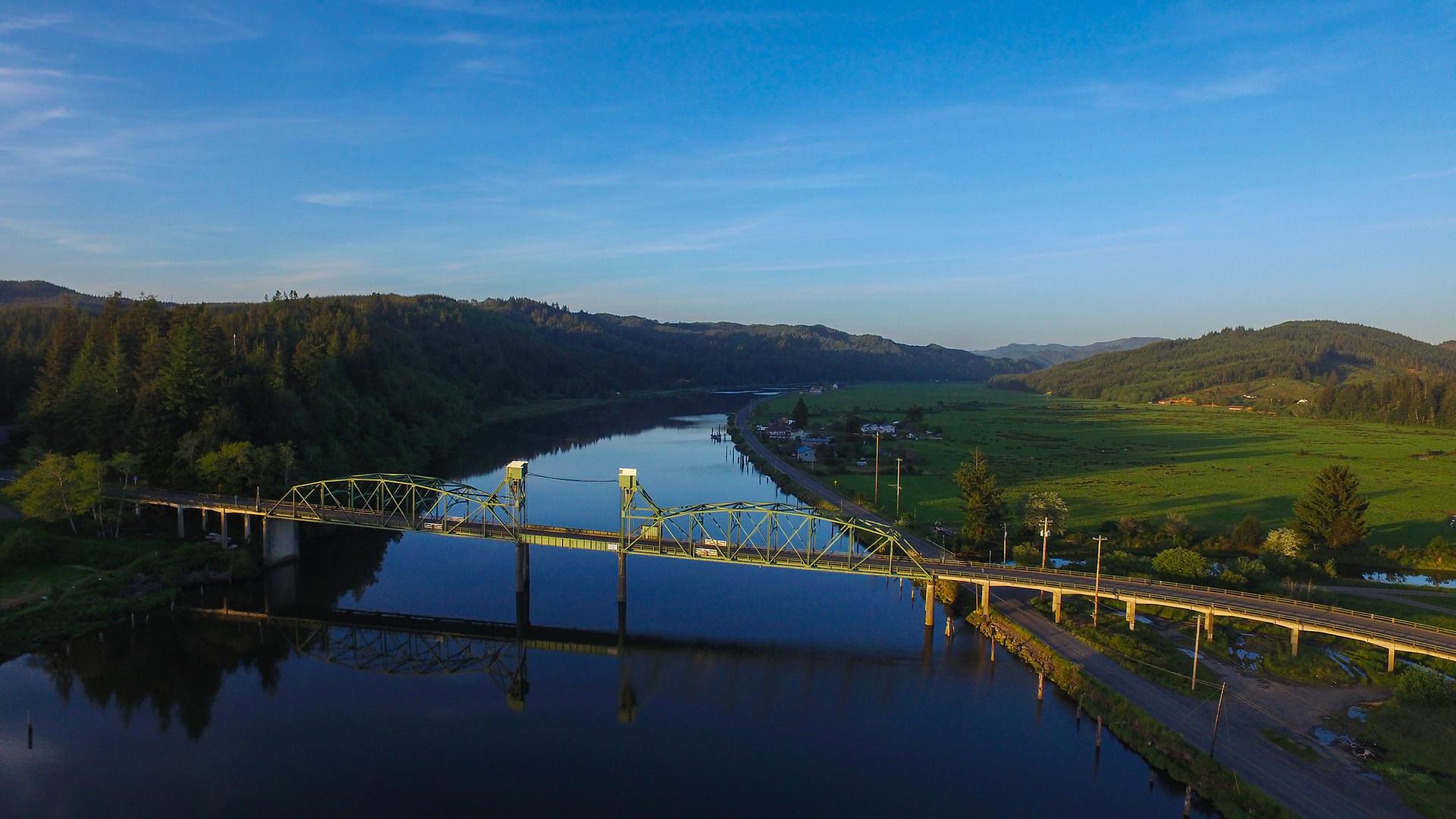
Located east of Coos Bay near Allegany, the Millicoma River is part of the larger Coos River watershed. Its combination of tidal water, deeper holding pools, gravel-bottomed runs, and forested tributaries makes it an important migration corridor for several salmonid species.
The current fishing outlook for November 2026 is centered on late-season Chinook and changing river conditions. Although recent verified catch counts for the Millicoma itself are limited, seasonal migration patterns and Oregon Department of Fish and Wildlife (ODFW) information provide a useful picture of what anglers should expect over the coming weeks.
Current Fish Activity: What's Moving Through the Millicoma River?
November is traditionally an important month for salmon migration and spawning throughout the Coos River system. Depending on rainfall, river height, and water temperature, fish may be traveling upstream, holding in deeper pools, or beginning their spawning activity.
Here is the current seasonal outlook for the Millicoma River.
Fall Chinook salmon
Late-season migration and spawning activity
Coho salmon
Moving toward upstream spawning areas
Winter steelhead
Early arrivals possible; stronger activity expected later
**These are seasonal assessments, not confirmed catch rates for November 7.
Fall Chinook Salmon: November's Main Attraction
Fall Chinook salmon are still the main species attracting attention throughout the lower Coos River and Millicoma River system.
ODFW identifies late October through mid-December as the primary fall Chinook spawning period in Coos County, with spawning activity typically peaking around the middle of November. This means the Millicoma watershed is approaching an important point in its annual salmon cycle.
In early November, anglers should pay particular attention to the lower mainstem Millicoma River, especially deeper stretches influenced by tides.
When rainfall is limited and river levels remain low, Chinook may spend more time in the lower river before moving farther upstream. These fish often favor deeper channels, slower current, and areas where the river provides enough depth and cover.
Once substantial rainfall increases the flow, salmon can move upstream quickly. A river that appears relatively quiet one day may experience a noticeable increase in migration activity following a good storm.
Best Techniques for Late-Season Chinook
For anglers fishing open sections of the lower Millicoma River, several techniques are worth considering.
- Bobber fishing: Suspended presentations can work well around deeper holding water and slower current.
- Spinners: Larger salmon spinners can be effective when fish are actively moving through a run.
- Trolling: Boat anglers can work deeper tidal channels with appropriately rigged salmon gear.
- Drift fishing: Where permitted, carefully controlled presentations can reach fish holding near the bottom.
During low-water conditions, subtle presentations and maintaining distance from fish can make a significant difference. Avoid repeatedly casting into groups of visibly spawning salmon.
Lower Millicoma River: Fishing Around Rooke-Higgins and Tidewater
One of the more interesting areas to investigate during November is the lower Millicoma River around the Rooke-Higgins area and nearby tidal reaches.
This portion of the watershed can provide opportunities for anglers targeting migrating Chinook before the fish move into the smaller upstream channels.
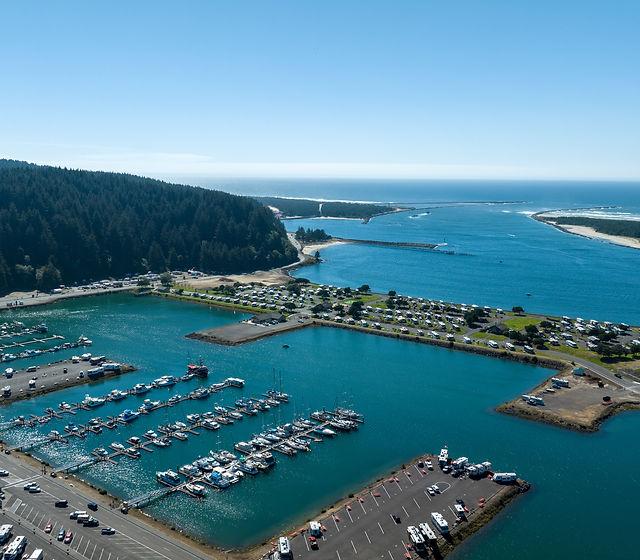
The main advantage of fishing tidal water is that salmon movement is influenced by more than rainfall alone. Incoming tides can provide additional depth and current, potentially encouraging fish to travel through the lower river even when freshwater flows are relatively low.
For boat anglers, deeper bends, channel edges, and slower stretches near the main current are worth exploring.
Bank anglers should look for lawful public access with enough depth to allow salmon to travel comfortably. Avoid trespassing on private riverfront property.
Fishing tip: During periods of low river flow, concentrate on the hours surrounding high tide. When freshwater levels rise after rain, shift your attention toward natural travel lanes and deeper runs farther upstream.
West Fork Millicoma River: Salmon Spawning and the Coming Steelhead Season
The West Fork Millicoma River becomes especially interesting during November because of its importance to spawning salmon and returning winter steelhead.
ODFW identifies the area around the Millicoma Interpretive Center near Allegany as an excellent location for observing fall Chinook salmon. Additional spawning areas occur farther upstream, including the vicinity of Glenn Creek.
As November progresses, Chinook may be visible in shallow gravel-bottomed areas preparing to spawn or actively spawning.
This is also the time of year when anglers begin preparing for the winter steelhead season.
Although November is generally early for consistent winter steelhead fishing, the first fish can begin appearing as conditions change.
ODFW's 2026 winter steelhead outlook identified the West Fork Millicoma as a stronger prospect for hatchery steelhead returns than the East Fork Millicoma or South Fork Coos River. The Millicoma Interpretive Center, scout camp area, and upstream reaches in Elliott State Forest were highlighted as areas of interest.
Anglers planning to fish these areas should check current access and regulations carefully. Salmon spawning habitat should be left undisturbed, and the presence of spawning fish does not necessarily mean salmon fishing is open in that location.
Coho Salmon Activity: What to Expect in November
Coho salmon are another important part of the Millicoma River's fall migration.
Unlike Chinook, which generally reach peak spawning activity in the Coos River system during November, coho spawning typically peaks in December.
That makes November an important transition period as coho move into freshwater and begin gathering near suitable spawning tributaries.
The Millicoma Interpretive Center and Marlow Creek are among the locations ODFW identifies for observing coho salmon during their spawning season.
Coho often respond strongly to rising water, especially following the first substantial autumn storms. Anglers may notice more activity around tributary mouths, deeper pools, and sections where cooler freshwater enters the main river.
However, the presence of coho does not mean they can legally be retained. Wild coho retention is subject to separate, highly specific seasons and regulations. Anglers should verify the current rules before targeting or keeping coho.
How Low Water and November Rainfall Affect Fishing
One of the biggest factors influencing Millicoma River fishing during November is the amount of rainfall reaching the watershed.
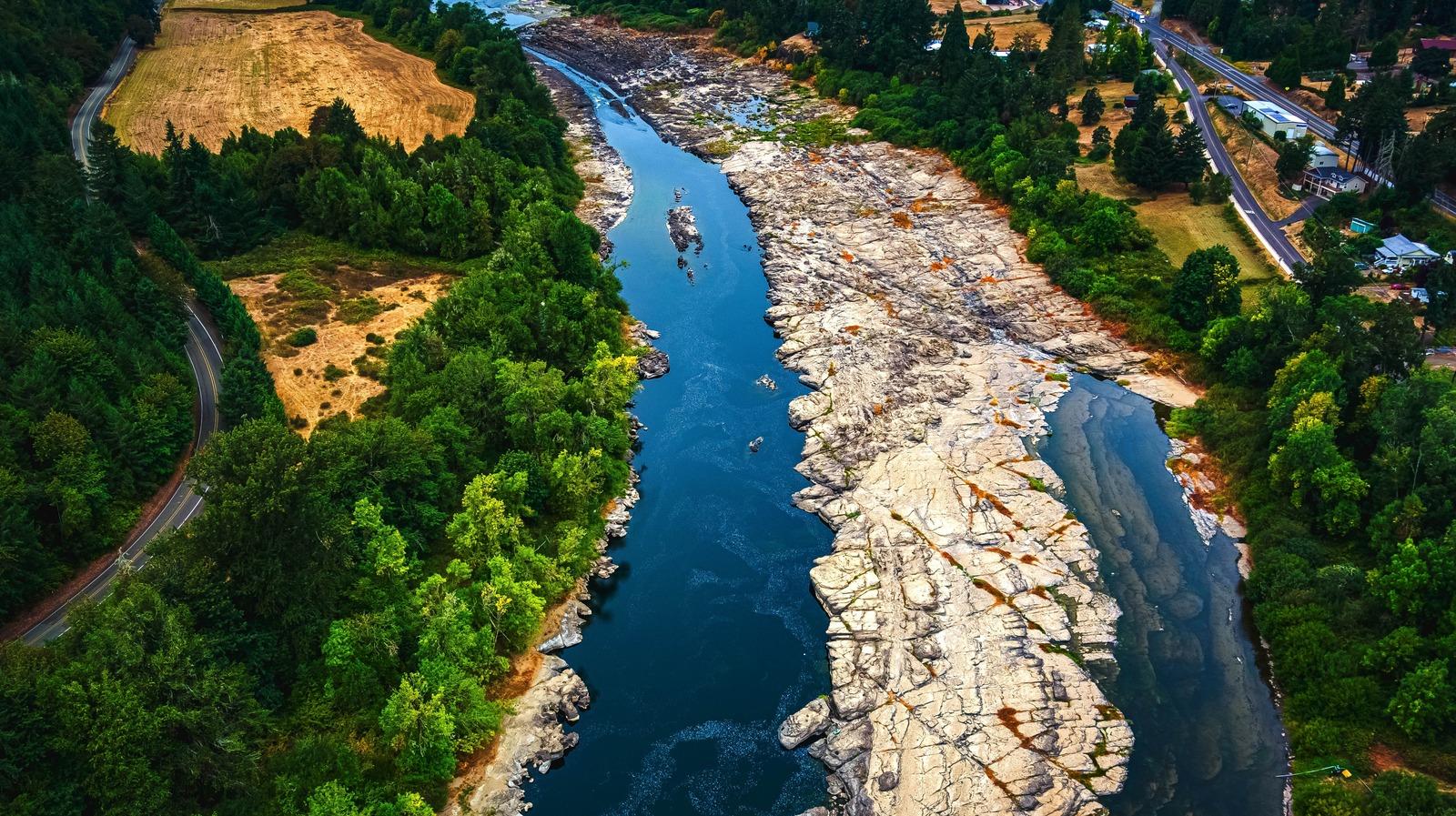
Coastal rivers can change dramatically after several days of steady rain. During extended dry periods, salmon may concentrate in deeper holding areas, while the smaller upstream channels remain too shallow for comfortable migration.
When the first substantial storms arrive, the fishing situation can change quickly.
Low and clear water
Focus on deeper tidal channels, quieter presentations, and periods around high tide. Fish may be more cautious in shallow, transparent water.
Rising water after rain
Increasing flows can encourage salmon to move upstream. Watch for changing water color, debris, and rising current speeds.
Dropping water after a storm
As the river clears and returns to a manageable level, deeper runs and current seams may offer better fishing opportunities.
The most promising fishing conditions often occur after a river has received enough rain to encourage fish movement but has settled sufficiently for anglers to present their gear effectively.
November 2026 Millicoma River Fishing Regulations
Anglers fishing the Millicoma River need to be aware of the updated salmon regulations currently in effect.
According to ODFW's November 3, 2026 regulation update, the following rules apply to the specified Coos Bay, Coos River, South Fork Coos River, and mainstem Millicoma River waters in aggregate:
- October 19–December 31, 2026: The daily adult salmon bag limit is three fish, of which no more than two may be wild Chinook.
- July 1–December 31, 2026: No more than ten adult wild Chinook may be retained during the period across the specified waters in aggregate.
These rules do not independently authorize retention of every salmon species or fishing in every tributary. Separate annual regulations, species restrictions, and open-area boundaries still apply.
Before heading out, review the latest ODFW fishing regulation updates and the 2026 Oregon Sport Fishing Regulations.
Winter Steelhead Outlook: What Comes Next?
As November continues and the Oregon Coast receives more rainfall, attention will gradually shift from fall Chinook to winter steelhead.
The West Fork Millicoma is particularly worth watching because of its hatchery steelhead opportunities.
Early winter steelhead may begin entering the watershed during late fall, but the more dependable fishing period generally develops later in winter as additional fish return.
For anglers preparing for the upcoming season, now is a good time to inspect equipment, scout legal access points, and observe how river conditions change after rainfall.
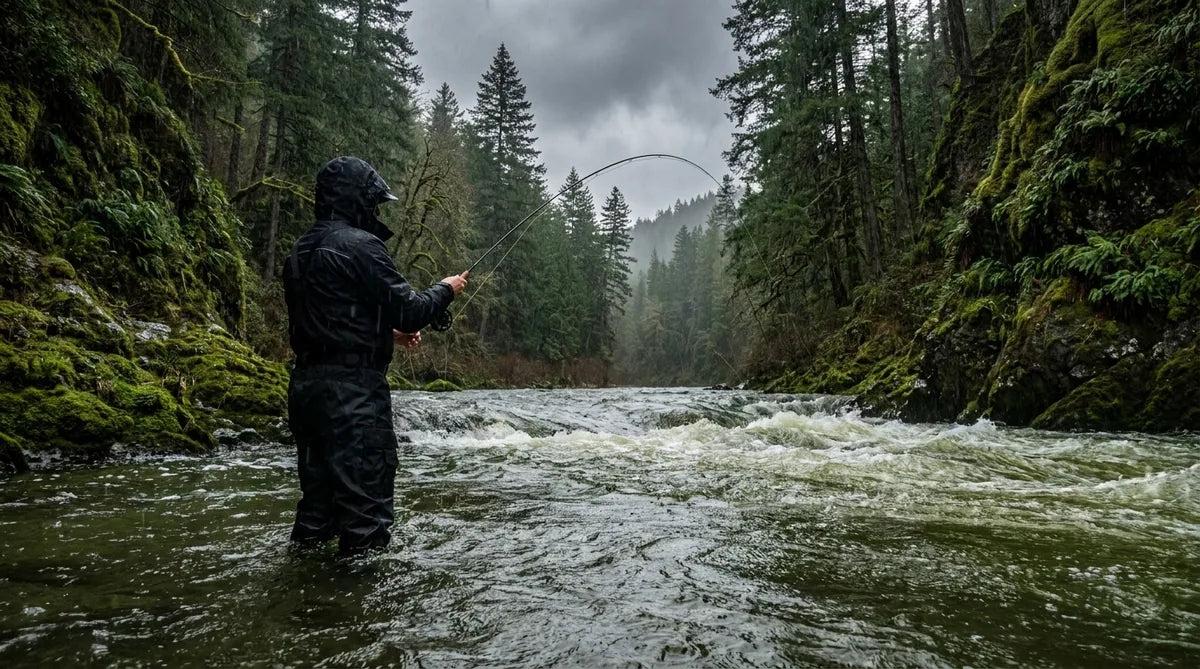
Steelhead fishing techniques such as bobber-and-jig presentations, drift fishing, and small spinners can all be productive when conditions and regulations allow.
The Millicoma River is moving through an important seasonal transition. Fall Chinook are approaching peak spawning activity, coho salmon are progressing toward their winter spawning period, and the first winter steelhead opportunities are on the horizon. For anglers hoping to find late-season Chinook, the lower mainstem and tidal sections of the Millicoma River are worth investigating.
Water depth, tidal movement, and recent rainfall will play major roles in determining where fish concentrate. Farther upstream, the West Fork Millicoma offers an opportunity to observe one of Oregon's most impressive natural events as salmon return to their spawning grounds. The biggest factor to watch over the coming weeks will be rainfall. A substantial change in river flow could bring renewed fish movement and signal the transition toward winter steelhead season.