Fishing Tips & Tricks During Dry Weather: How to Catch Bass and Trout When Water Levels Are Low
There's nothing more frustrating than heading out for a day of fishing, only to discover that your favorite reservoir is several feet lower than normal, the shoreline looks completely different, and the fish aren't biting. When Oregon experiences extended periods of dry weather, fishing conditions can change dramatically, especially in reservoirs, lakes, and smaller rivers. But just because the water is low and the fish aren't moving doesn't mean you can't have a successful day on the water.
In fact, some of my favorite fishing tricks come into play when conditions are less than ideal. Low water levels, warmer temperatures, and sluggish fish require a little more patience, a different approach, and sometimes a complete change in fishing techniques.
Understanding What Happens When Reservoir Water Levels Drop
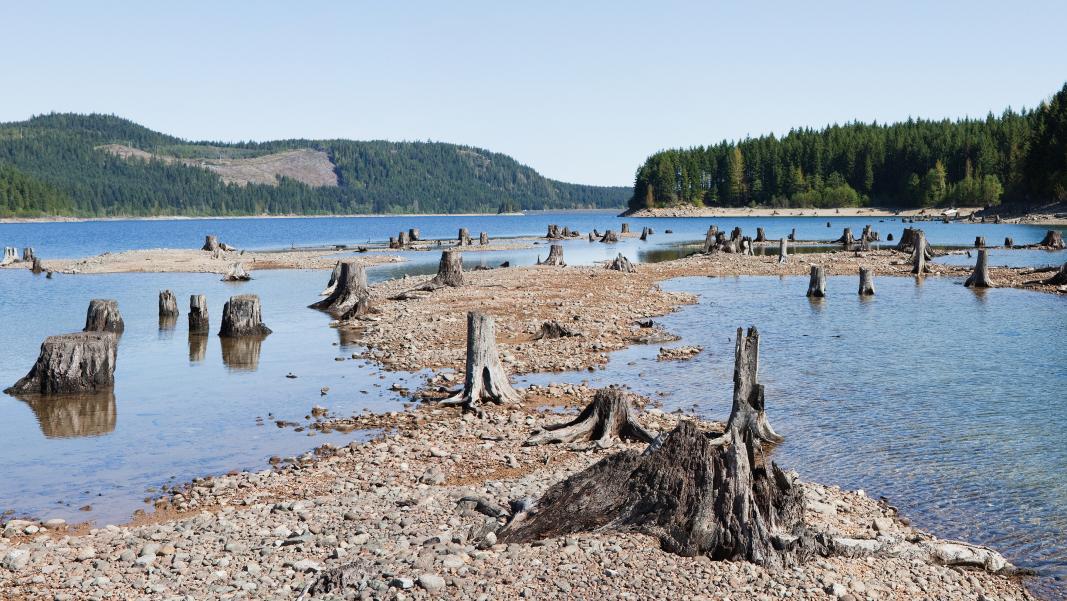
When rainfall becomes scarce, reservoirs can experience significant drops in water levels. Some reservoirs also experience seasonal drawdowns for irrigation, flood control, or water management. As water recedes, familiar fishing locations can change almost overnight. Shallow coves disappear, submerged logs become exposed, and areas that once held fish may suddenly be too shallow to provide adequate cover.
Bass and trout respond differently to these changes. Bass are generally more tolerant of warmer water and often relocate to deeper structure, submerged rocks, ledges, and remaining vegetation. Trout, on the other hand, prefer cooler, oxygen-rich water and may retreat to deeper sections of a reservoir when surface temperatures climb.
One mistake anglers make during dry conditions is continuing to fish the same locations using the same techniques that worked when the reservoir was full. Fish are constantly adjusting to their environment, and successful anglers need to do the same.
1. Find the Deeper Water Where Fish Are Holding
One of the first things I look for when fishing a reservoir with low water levels is a sudden change in depth. Drop-offs, submerged creek channels, rocky points, and deeper pockets can become productive fishing locations.
For bass, these areas provide access to deeper water while still offering opportunities to ambush smaller baitfish. Largemouth bass may hold near submerged timber, rocky ledges, or vegetation that remains underwater. Smallmouth bass frequently relate to rocky points, gravel transitions, and steep banks.
Trout can be a little more challenging. During warmer periods, rainbow trout often seek deeper, cooler water where temperatures are more comfortable. However, deeper doesn't always mean better. If oxygen levels are low near the bottom, trout may suspend somewhere between the surface and the deepest water.
If you're fishing from the bank, look for steep shorelines where deep water is accessible without making extremely long casts. These locations can be especially valuable when reservoir levels are unusually low.
2. Slow Down Your Fishing Presentation
When the fish aren't actively feeding, one of the most effective adjustments you can make is slowing down.
During dry weather, especially when water temperatures are elevated, fish may become less willing to chase fast-moving lures. Instead of burning a spinner or crankbait through the water, try giving fish more time to investigate your offering.
For bass, finesse fishing can be extremely effective. A Texas-rigged plastic worm, Ned rig, drop-shot rig, or small jig can tempt fish that aren't interested in aggressive presentations. Cast near underwater structure, allow the bait to sink, and work it slowly along the bottom with occasional pauses.
For trout, try smaller spinners, spoons, or soft plastics retrieved at a slower pace. If you're fishing with bait where regulations allow, suspended bait presentations can be useful for reaching trout holding at specific depths.
Sometimes the difference between catching fish and getting skunked comes down to something as simple as slowing your retrieve by a few seconds.
3. Fish Early in the Morning and Late in the Evening
If there's one fishing tip I recommend during extended dry spells, it's adjusting your fishing schedule.
Early mornings and evenings can provide some of the best fishing opportunities, particularly during warmer weather. As sunlight decreases and surface temperatures cool, bass may become more active and move into shallower areas to feed.
I've always enjoyed fishing during those first couple of hours after sunrise. There's usually less boat traffic, the water is calmer, and fish may be feeding along rocky shorelines or near submerged cover.
For bass, try topwater lures, small crankbaits, or soft plastic worms near shallow structure during these periods. If the fish aren't responding, gradually work your way toward deeper water.
Trout fishing can also improve during cooler portions of the day, particularly when water temperatures are favorable. During hot weather, however, trout may remain in deeper water even after sunset.
Don't overlook cloudy days, either. Overcast conditions can extend feeding opportunities by reducing direct sunlight and making fish more comfortable moving into shallower water.
4. Pay Attention to Exposed Shorelines and Underwater Structure
Here's a trick that many anglers overlook: low reservoir levels can actually teach you a lot about where to fish when the water returns.
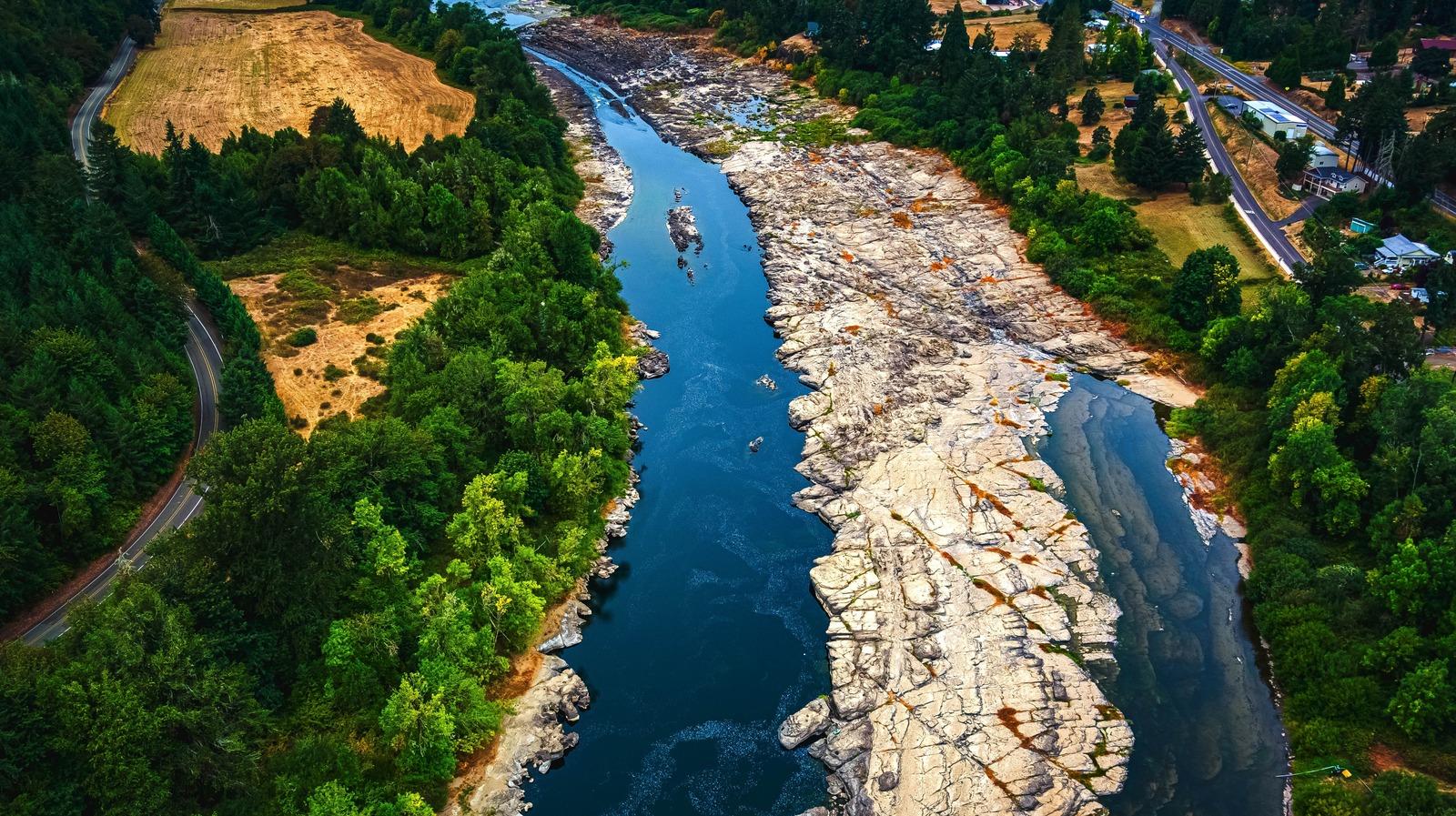
As water recedes, underwater structures that were previously hidden become visible. Old creek beds, rock piles, submerged stumps, ledges, and steep drop-offs can suddenly be exposed.
I like to take advantage of these conditions by studying the shoreline and identifying areas that might hold fish when water levels rise again.
But even during low water, these features can help you locate productive fishing areas. A rocky point that extends into deeper water may concentrate bass, while an old creek channel can provide a natural travel route for fish moving between different depths.
Take pictures of exposed structures, mark locations on your GPS, and pay attention to how the terrain slopes toward deeper water. Those observations can become incredibly valuable on future fishing trips.
5. Downsize Your Lures and Use More Natural Colors
When fishing gets tough, smaller presentations can sometimes produce surprisingly good results.
Bass that ignore large crankbaits or oversized plastic worms may still strike a small finesse worm, compact jig, or lightweight soft plastic.
In clear water, I generally recommend trying natural colors such as green pumpkin, watermelon, brown, or other patterns that resemble local baitfish and crawfish.
For trout, small silver or gold spinners, lightweight spoons, and natural-looking presentations can work well. The key is matching the size of the food fish are feeding on and avoiding unnecessary disturbance.
Low water doesn't automatically mean clear water, though. Wind, algae, and exposed sediment can affect visibility, so adjust your lure color and presentation to the actual conditions.
6. Look for Moving Water and Cooler Areas
When reservoir levels are low, areas with incoming water can sometimes attract fish.
Creek mouths, tributary inflows, and locations with noticeable current may provide cooler water, food, or improved oxygen conditions. These areas can be particularly attractive to trout when the temperature difference is favorable.
Bass may also gather near inflows where baitfish and insects are carried into the reservoir.
However, not every creek mouth will hold fish. During prolonged dry weather, some tributaries become too shallow or warm to offer much benefit.
If you have a thermometer, use it. Water temperature can tell you more about potential fish activity than simply looking at the surface.
As a general guideline, rainbow trout often do well in water around 50–60°F, while bass are generally more comfortable in warmer conditions. During extreme heat, avoid targeting trout in water temperatures that could make catching and releasing them dangerous.
7. Change Locations Instead of Repeatedly Casting Into Empty Water
One of the biggest mistakes anglers make when the fishing slows down is staying in one spot for too long.
We've all done it. You find a comfortable spot, cast repeatedly, change your lure a few times, and convince yourself that eventually something is going to bite.
Sometimes that works. But during low-water conditions, fish may be concentrated in relatively small areas of the reservoir.
If you're not getting bites after thoroughly covering a location, consider moving to a different depth, shoreline, or type of structure.
For bass, alternate between rocky points, steep banks, submerged cover, and deeper transitions. For trout, experiment with different depths and locations where cooler water may be available.
The goal isn't necessarily to cover the entire reservoir. It's to identify the conditions fish prefer and focus your efforts there.
8. Don't Forget About Fishing Pressure
Low water can concentrate fish, but it can also concentrate anglers.
When reservoir levels drop, accessible boat ramps and shoreline fishing areas may become limited. This often means more people fishing the same locations.
Bass and trout that experience repeated fishing pressure can become more difficult to catch, particularly in clear water.
Try fishing less crowded areas, using lighter line when appropriate, making longer casts, and keeping unnecessary noise to a minimum.
Sometimes simply moving a few hundred yards away from a heavily fished access point can make a noticeable difference.
9. Be Prepared for Changing Reservoir Conditions
Fishing during dry weather requires a little extra preparation.
Before heading out, check current reservoir levels, boat ramp accessibility, water temperatures, and any fishing restrictions. Oregon reservoirs can change significantly throughout the season, and a boat ramp that was usable last month might be inaccessible today.
Low water can also expose hazards such as submerged stumps, rocks, and shallow channels that create problems for boaters.
For Oregon anglers, the Oregon Department of Fish and Wildlife is a useful resource for fishing regulations, trout stocking schedules, and fishing reports. Reservoir water levels can often be checked through the agencies managing individual reservoirs.
Always verify current regulations before fishing, especially when targeting trout or bass in waters with special restrictions.
10. Sometimes Patience Is Your Best Fishing Technique
There's something about a slow fishing day that can test even the most experienced angler.
You can have the perfect rod, the right lure, and a fishing spot that produced fish all summer, yet still struggle to get a bite.
But that's part of fishing.
Some of the best lessons I've learned have come from days when nothing seemed to work. Those are the days that force you to experiment with different techniques, pay closer attention to the water, and figure out what the fish are actually doing.
Low water levels don't necessarily mean fewer fish. Often, the fish have simply relocated, changed their feeding patterns, or become more selective about what they'll strike.
And sometimes, despite doing everything right, the fish just aren't cooperating.
Final Thoughts: Low Water Doesn't Mean Bad Fishing
Dry weather and low reservoir levels can make bass and trout fishing more challenging, but they can also create opportunities for anglers willing to adjust their approach.
Finding deeper water, slowing down your presentation, downsizing your lures, and targeting cooler periods of the day can all improve your chances of catching fish when conditions are tough.
So the next time you arrive at your favorite reservoir and discover the water is several feet lower than expected, don't immediately turn around and head home. Take a closer look at the shoreline, try something different, and remember that the fish are still out there somewhere.
You might just discover a new fishing spot or technique that works better than anything you've tried before.
Tight lines and happy fishing from Oregon Rainforest Adventures!